


 Iran Refuses to Halt Uranium Enrichment Amid US Nuclear Demands
  RBI Raises Repo Rate to 5.50% in Hawkish Shift on Inflation Risks
  Mike Rogers Calls for End to US-Canada Tariff War
  Gold Prices Rise as Dollar Weakens, Treasury Yields Fall
  Bangladesh GDP Growth Accelerates to 4.6% on Industrial Rebound
  US Treasury Yields Ease After Strong 10-Year Auction as Global Bonds Struggle
  Gold Prices Fall as Stronger Dollar Weighs on Bullion
  Asian Stocks Mixed as OpenAI Revenue Concerns Hit Chipmakers
  Dollar Near 18-Month High as Euro, Yen and Pound Weaken
  US Dollar Hits 18-Month High as Fed Signals More Rate Hikes
  Gold Prices Fall as Fed Signals Another Rate Hike
  Asian Currencies Mixed as Yen Weakens, Dollar Holds Firm
  Indian Stocks Fall as RBI Hikes Rates to 5.50%
  Oil Prices Rise as Gulf Hurricane and Middle East Supply Risks Mount
  Oil Prices Rise as Hormuz Risks Offset IEA Stock Release
  Wall Street Falls as Oil Prices Rise and Tech Stocks Slide
  Crypto Market Selloff Wipes Out $100B as Bitcoin Falls Below $83K


 Add as a preferred source on Google
Asian currencies traded largely flat on Friday as the U.S. dollar headed for its fourth consecutive weekly gain, supported by expectations that the Federal Reserve could raise interest rates again before the end of 2026.
The dollar eased slightly alongside U.S. Treasury yields, providing limited relief to regional currencies. However, persistent inflation concerns and expectations of further Fed tightening kept investors cautious ahead of key U.S. consumer sentiment and inflation expectations data.
The Japanese yen weakened modestly, with the USD/JPY pair rising 0.1% after disappointing household spending figures raised concerns about Japan's economic recovery.
Government data showed Japanese household spending declined 3.1% year-on-year in August, marking its ninth consecutive monthly contraction. Although the decline was smaller than the expected 3.5%, monthly spending increased just 0.1%, missing forecasts of 0.5%.
Weak consumer demand, combined with moderate wage growth, could complicate the Bank of Japan's plans for additional interest rate hikes after tightening monetary policy by 50 basis points.
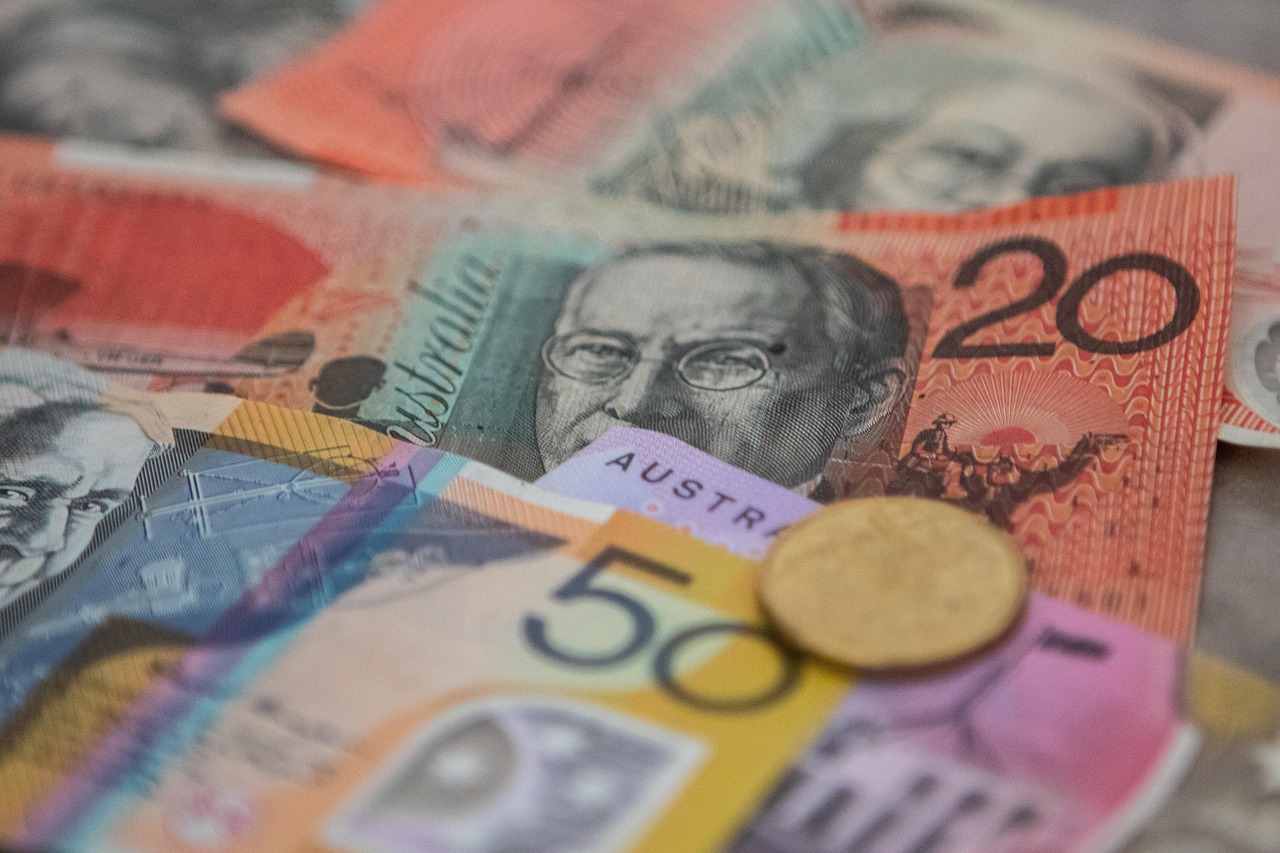
Elsewhere, the Chinese yuan strengthened slightly, with USD/CNY falling 0.07%, while USD/SGD declined 0.09%. The Australian dollar gained 0.2%, and the South Korean won remained largely unchanged amid holiday-thinned trading.
Meanwhile, the Indian rupee remained under significant pressure as USD/INR climbed 0.2%, approaching the psychologically important 97 level.
Elevated crude oil prices continued weighing on India's currency despite the Reserve Bank of India's recent 25-basis-point interest rate increase and shift toward a calibrated tightening stance.
Reports of RBI intervention helped support the rupee, although persistent foreign capital outflows and elevated U.S. Treasury yields continued creating challenges.
The U.S. dollar index and dollar futures slipped approximately 0.1% on Friday but remained on track for a weekly increase of around 0.1%.
The greenback stayed near an 18-month high after minutes from the Federal Reserve's September meeting reinforced expectations of continued restrictive monetary policy.
According to CME FedWatch, investors reduced expectations for an October rate increase but continued anticipating another 25-basis-point hike in December.
Markets now await the University of Michigan's consumer sentiment and inflation expectations figures for further insight into the Fed's interest rate outlook and potential movements across Asian foreign exchange markets.







