


 Andy Burnham Sets Out Vision to Decentralize Britain as Labour Leadership Race Begins
  US, Iran Agree to Halt Attacks Ahead of Doha Talks on Strait of Hormuz
  Mexico, U.S. Launch Sterile Fly Facility to Combat New World Screwworm Outbreak
  Trump Threatens 100% Tariffs on Countries Imposing Digital Services Taxes on U.S. Tech Firms
  Trump Suspends Some Morocco Fertilizer Tariffs to Ease U.S. Supply Shortage
  Australia Plans Higher Fines for Social Media Firms Failing to Block Underage Users
  Trump Urges Gasoline Retailers to Cut Prices to $2.50 Per Gallon, Warns of Legal Action
  Russia Intensifies Assault on Kostiantynivka as Ukraine’s Donetsk Defense Faces Mounting Pressure
  Supreme Court Backs Lisa Cook, Defends Federal Reserve Independence Against Trump Firing Attempt
  Serbia President Aleksandar Vucic to Resign, Calls Early Elections After Months of Protests
  Taiwan Coast Guard Officer Finds Strength in Faith as China Increases Pressure in Taiwan Strait
  Canada Grants C$7 Million to Greenland Molybdenum Mine to Strengthen Critical Minerals Supply
  Russian Attacks on Dnipro, Zaporizhzhia, and Kharkiv Kill 10 as Ukraine Vows Response
  Australia, Vanuatu Sign Security Pact Amid Pacific Influence Competition
  Iran Skips U.S. Technical Talks Over Unmet MoU Conditions and Frozen Funds Dispute
  Despite its best efforts, Iran won’t be able to toll the Strait of Hormuz. Here’s why
  Israeli Airstrike Kills Three in Central Gaza Despite Ceasefire


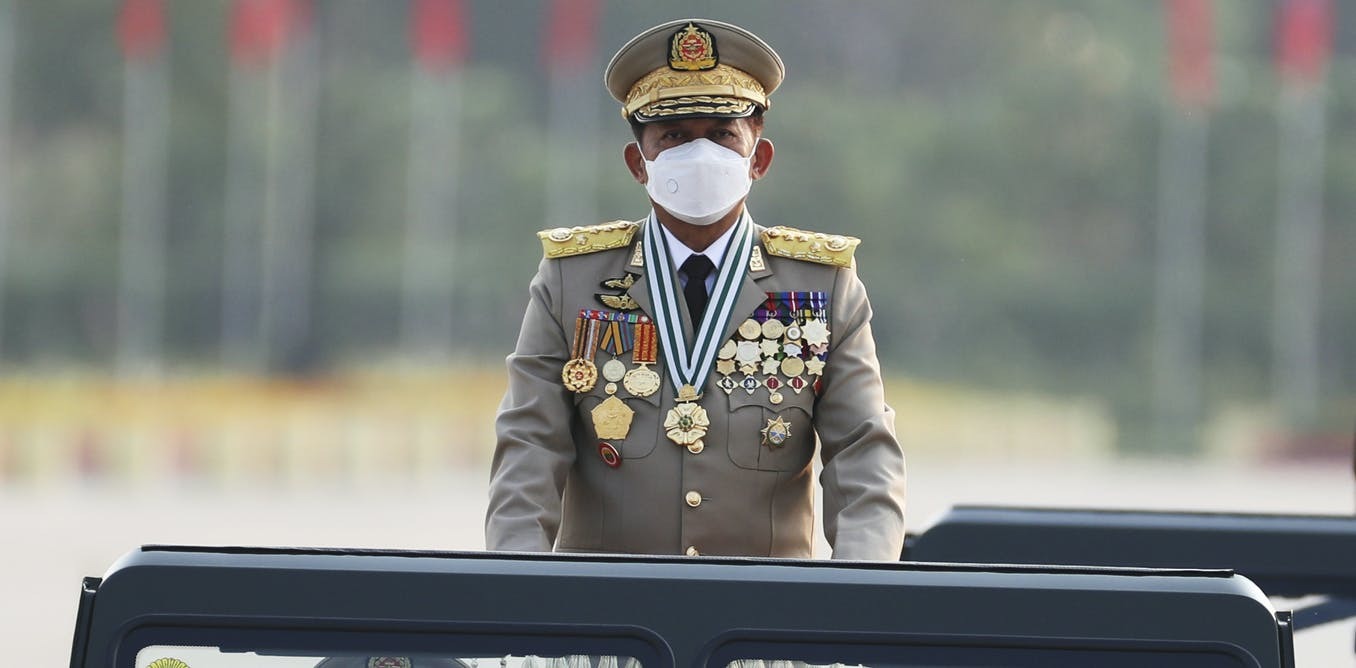
Myanmar's military leader Min Aung Hlaing resigned as commander-in-chief on Monday to pursue the country's presidency, marking a significant political shift following the nation's first elections since the 2021 military coup that plunged the country into civil war.
The 69-year-old general, who led Myanmar's armed forces for 15 years, was nominated as a vice-presidential candidate by lawmakers in the lower house of parliament. Two vice-presidential nominees will emerge from both legislative chambers, with all three eventually competing in a separate presidential vote whose date remains unannounced.
His nomination follows a deeply disputed election held in December and January, which the military-backed Union Solidarity and Development Party claimed victory in. However, the United Nations and numerous Western governments dismissed the polls as illegitimate given the country's ongoing armed conflict.
Myanmar has remained engulfed in violence ever since the Tatmadaw, as the military is locally known, overthrew the democratically elected government of Aung San Suu Kyi in February 2021. The coup sparked widespread civilian resistance and a brutal civil war that has weakened the military's authority across large parts of the country.
At a ceremony in the capital Naypyitaw, Min Aung Hlaing formally transferred military command to General Ye Win Oo, a longtime loyalist who previously served as Myanmar's intelligence chief and received two major promotions within two months. Analysts note that while Ye Win Oo is a trusted figure within the military hierarchy, he lacks the extensive leadership experience that traditionally defines the role.
Min Aung Hlaing, who studied law before pursuing a military career, has long been known for consolidating power by rewarding loyalists and sidelining rivals. Political observers say his transition from military ruler to presidential candidate reflects an ambition he has harbored for years, describing the move as a strategic shift in how he intends to maintain control over Myanmar's future.







