


 Ukraine Strikes Russian Titan-Barrikady Plant With Long-Range FP-5 Flamingo Missile
  Supreme Court Backs Lisa Cook, Defends Federal Reserve Independence Against Trump Firing Attempt
  Iran Skips U.S. Technical Talks Over Unmet MoU Conditions and Frozen Funds Dispute
  Despite its best efforts, Iran won’t be able to toll the Strait of Hormuz. Here’s why
  Maria Corina Machado’s Return to Venezuela Faces U.S. Hesitation After Deadly Earthquakes
  China Expands Export Controls, Adds 20 Japanese Companies to Restricted List
  Trump Announces September Overhaul of Washington’s East Potomac Golf Links
  Australia Plans Higher Fines for Social Media Firms Failing to Block Underage Users
  Mexico, U.S. Launch Sterile Fly Facility to Combat New World Screwworm Outbreak
  Trump Signs Memorandum Backing Americans’ Right to Repair Their Own Vehicles
  Australia, Vanuatu Sign Security Pact Amid Pacific Influence Competition
  Trump Suspends Some Morocco Fertilizer Tariffs to Ease U.S. Supply Shortage
  US, Iran Agree to Halt Attacks Ahead of Doha Talks on Strait of Hormuz
  US Strikes Iran Again After Strait of Hormuz Tanker Attack Escalates Ceasefire Tensions
  Javier Milei Cabinet Chief Manuel Adorni Resigns Amid Spending Scandal Investigation
  Russia Intensifies Assault on Kostiantynivka as Ukraine’s Donetsk Defense Faces Mounting Pressure


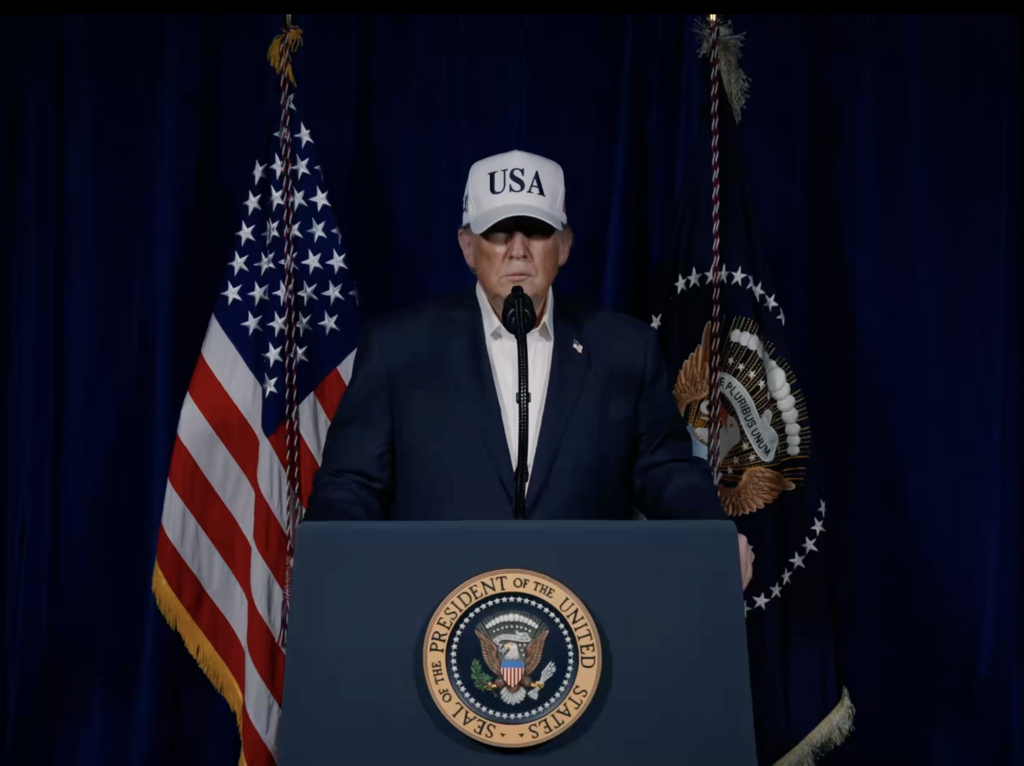
President Donald Trump is reportedly weighing a bold military operation to physically extract nearly 1,000 pounds of uranium from Iran, according to a Wall Street Journal report citing senior U.S. officials. While no final decision has been made, Trump remains open to the idea despite serious concerns about the risks it poses to American troops.
Such a mission would be extraordinarily complex and dangerous, potentially triggering severe retaliation from Tehran. However, securing or eliminating Iran's nuclear material remains a cornerstone of both U.S. and Israeli strategy to prevent the Islamic Republic from developing a nuclear weapon. Trump has also pushed his advisers to explore whether Iran could be pressured into voluntarily surrendering the uranium as part of any deal to end the ongoing conflict.
The backdrop to these considerations is a military campaign already underway. The United States and Israel conducted coordinated airstrikes on Iran's nuclear infrastructure, targeting sites believed to hold over 400 kilograms of 60% highly enriched uranium and nearly 200 kilograms of 20% fissile material — quantities that have raised serious alarms among nonproliferation experts.
Now entering its fifth consecutive week, the conflict shows little sign of de-escalation. Yemen's Houthi movement, backed by Tehran, has expanded the war's reach by launching attacks against Israel, further complicating regional stability. Iran, meanwhile, has issued stark warnings against any U.S. ground invasion on its soil.
Adding to the military buildup, approximately 3,500 American troops were mobilized over the weekend aboard the USS Tripoli, signaling a significant escalation in U.S. readiness in the region.
With diplomatic channels strained and military pressure intensifying, the situation in the Middle East remains deeply volatile. The outcome of Trump's deliberations could have far-reaching consequences for global nuclear security and regional geopolitics.







