


 China Expands Export Controls, Adds 20 Japanese Companies to Restricted List
  U.S. Eases Iran Team Travel Restrictions Ahead of Seattle World Cup Match
  US Waives Iran Sanctions for 60 Days as Peace Talks Advance and Lebanon Sees Calm
  DOJ Sues Virginia Over Law Enforcement Mask Ban
  Ukraine Strikes Russian Titan-Barrikady Plant With Long-Range FP-5 Flamingo Missile
  Trump Suspends Some Morocco Fertilizer Tariffs to Ease U.S. Supply Shortage
  Mexico, U.S. Launch Sterile Fly Facility to Combat New World Screwworm Outbreak
  Texas Approves Bible-Inclusive Reading Lists for Public Schools Starting in 2030
  NTSB Investigates Boston Logan Airport Near-Miss Between Delta and American Airlines Jets
  Russian Attacks Kill Four in Ukraine as Zaporizhzhia and Kharkiv Come Under Fire
  US, Iran Agree to Halt Attacks Ahead of Doha Talks on Strait of Hormuz
  Trump Threatens 100% Tariffs on Countries Imposing Digital Services Taxes on U.S. Tech Firms
  Serbia Protests Continue as Thousands Rally Despite Vucic’s Resignation Plan
  100+ Global Companies Push Governments to Prioritize Electrification for Economic Growth
  Trump Administration Delays DeepSeek and CXMT Trade Blacklist Designations Amid U.S.-China Tensions
  Australia Sues Amazon Over Prime Video Ads and Subscription Terms
  Taiwan Coast Guard Officer Finds Strength in Faith as China Increases Pressure in Taiwan Strait


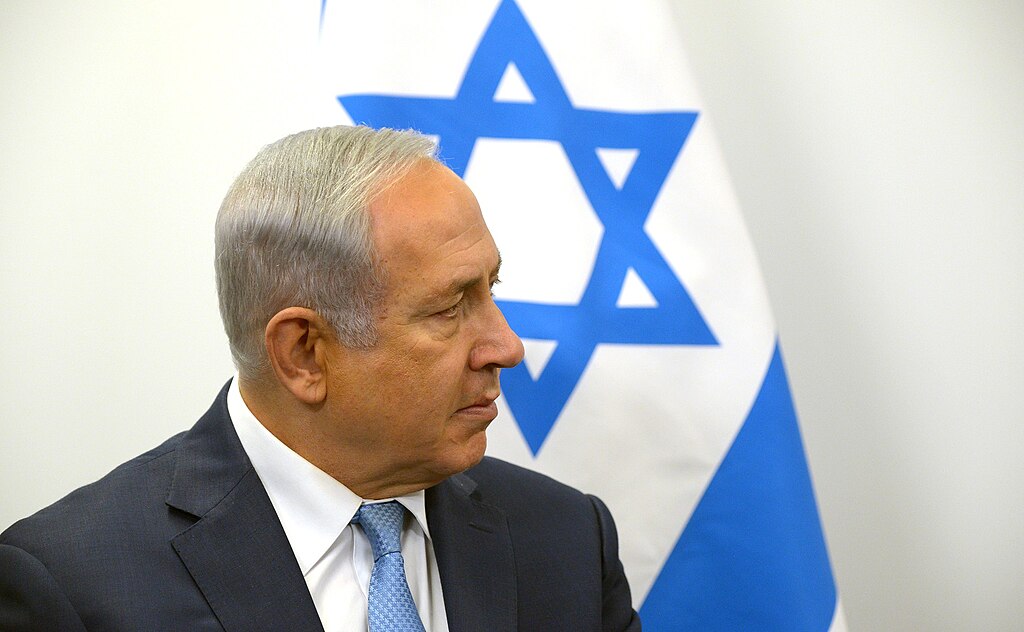
Israeli authorities initially prevented Jerusalem's Catholic cardinal from celebrating Palm Sunday at the Church of the Holy Sepulchre, triggering sharp international criticism before Prime Minister Benjamin Netanyahu stepped in to reverse the decision.
Cardinal Pierbattista Pizzaballa and Friar Francesco Ielpo were stopped by Israeli police from entering the historic church — widely regarded as one of Christianity's holiest sites, believed to stand where Jesus was crucified and resurrected. The Latin Patriarchate of Jerusalem confirmed it was the first time in centuries that Church leaders had been barred from celebrating Palm Sunday Mass at the site.
Israeli police justified the restriction by citing security concerns stemming from the ongoing conflict with Iran, noting that Jerusalem's Old City lacked sufficient infrastructure for emergency vehicles in the event of a mass casualty incident. All holy sites in the area — sacred to Christians, Muslims, and Jews alike — were reportedly closed to large gatherings for the same reason.
Netanyahu later announced via social media that he had personally directed authorities to restore full access to the cardinal, allowing religious services to proceed throughout the remainder of Holy Week.
The incident drew swift condemnation from world leaders. Italian Prime Minister Giorgia Meloni criticized the move, while French President Emmanuel Macron called it a troubling sign of growing violations against the protected status of Jerusalem's holy sites. U.S. Ambassador Mike Huckabee described the initial ban as difficult to justify.
The controversy unfolded during an unusually tense religious season, with Christians, Muslims, and Jews all facing disruptions to Easter, Ramadan, and Passover observances due to ongoing security restrictions. Residents noted enforcement appeared inconsistent, as some Muslim and Jewish religious activities were permitted during the same period despite the broader access limitations.







