


 Iran Skips U.S. Technical Talks Over Unmet MoU Conditions and Frozen Funds Dispute
  China Expands Export Controls, Adds 20 Japanese Companies to Restricted List
  US Strikes Iran Again After Strait of Hormuz Tanker Attack Escalates Ceasefire Tensions
  Javier Milei Cabinet Chief Manuel Adorni Resigns Amid Spending Scandal Investigation
  Israeli Airstrike Kills Three in Central Gaza Despite Ceasefire
  Trump Threatens 100% Tariffs on Countries Imposing Digital Services Taxes on U.S. Tech Firms
  Trump Signs Memorandum Backing Americans’ Right to Repair Their Own Vehicles
  Supreme Court Backs Lisa Cook, Defends Federal Reserve Independence Against Trump Firing Attempt
  Trump Announces September Overhaul of Washington’s East Potomac Golf Links
  Trump Questions Housing Bill as He Prioritizes SAVE America Act
  US, Iran Agree to Halt Attacks Ahead of Doha Talks on Strait of Hormuz
  Despite its best efforts, Iran won’t be able to toll the Strait of Hormuz. Here’s why
  Serbia President Aleksandar Vucic to Resign, Calls Early Elections After Months of Protests
  Trump Suspends Some Morocco Fertilizer Tariffs to Ease U.S. Supply Shortage
  Australia, Vanuatu Sign Security Pact Amid Pacific Influence Competition
  Sheinbaum Says No One Is Above the Law After Abuse Video of Ex-Pemex Chief Emerges


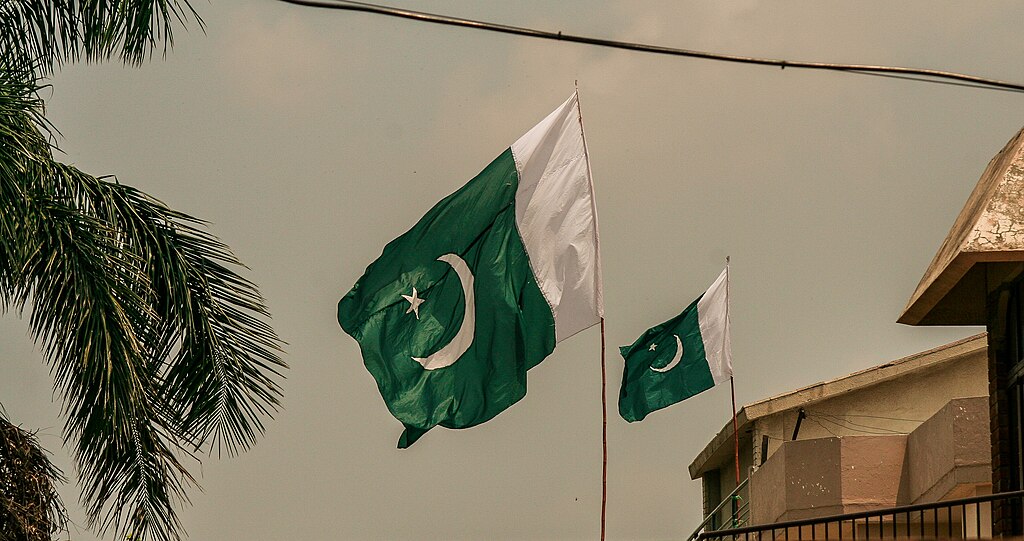
Pakistan has undergone a remarkable foreign policy transformation, shifting from regional isolation to becoming one of the most consequential diplomatic players in the Middle East. Under the joint leadership of Prime Minister Shehbaz Sharif and Army Chief General Asim Munir, Islamabad is now positioning itself as the key intermediary between Washington and Tehran — a role that has earned praise from President Trump himself.
This diplomatic breakthrough represents a significant warming of U.S.-Pakistan relations. Central to this realignment is a cryptocurrency agreement between a firm connected to U.S. Middle East envoy Steve Witkoff and the Pakistani government — a deal that signaled deeper economic and strategic trust between both nations. Pakistan and the U.S. are also expanding collaboration in critical minerals and counterterrorism, giving Islamabad the leverage and credibility needed to deliver Washington's 15-point peace framework directly to Iranian leadership.
The stakes could not be higher. With the Strait of Hormuz largely blocked to commercial shipping following the death of Iran's Supreme Leader, global energy markets remain volatile. Pakistan faces unique internal pressures as well, including the concerns of its sizable Shia population and existing defense commitments to Saudi Arabia. By stepping into the mediator role, Islamabad hopes to contain a conflict that directly threatens its border stability and energy supply chains.
Early signs are cautiously encouraging. Tehran agreed to permit 20 Pakistani-flagged vessels through the Strait of Hormuz as a goodwill gesture. Despite Iran's preference for its own five-point alternative to the U.S. plan, a multilateral summit in Islamabad is expected to take place soon.
Investors and analysts worldwide are watching closely. A successful peace framework could stabilize oil prices, reduce maritime insurance costs, and redefine Pakistan's strategic value on the global stage.







