


 US Egg Producers Settle Price Manipulation Probe, Agree to Pay $3.3 Million and Donate 53 Million Eggs
  Morgan Stanley Raises Tesla Q2 Delivery Forecast on Strong Europe and China Demand
  Amazon Prime Day 2026 Sales Top $26.4 Billion as Shoppers Chase Discounts Amid Inflation
  SoftBank Shares Slide as OpenAI IPO Delay Concerns Weigh on AI Investment Outlook
  UBS Raises TSMC Price Target to T$3,400 on Strong AI Chip Demand Outlook
  Momenta Launches Hong Kong IPO to Raise Up to $751 Million for AI and Robotaxi Expansion
  Apple Challenges India Antitrust Probe, Says CCI Copied Rivals’ Claims in App Store Case
  Super Micro Shares Slide After Taiwan Raids Over Alleged Nvidia AI Chip Smuggling Probe
  Baige Online Shares Soar 333% in Hong Kong IPO Debut as AI Insurance Demand Lifts Chinese Listings
  Nomura Stock Upgraded to Buy by BofA as Stronger ROE and Earnings Growth Boost Outlook
  Samsung, SK Hynix to Unveil Record AI and Semiconductor Investment Plans Worth Over $646 Billion
  SpaceX, Charter Communications Explore Mobile Partnership to Expand Starlink Wireless Service
  Kakaku.com Shares Rise as Bain Capital and LY Corp Prepare Higher Takeover Bid Than EQT
  Australia Sues Amazon Over Prime Video Ads and Subscription Terms
  Anthropic Brings Claude AI Models to Microsoft Azure Foundry With NVIDIA Blackwell GPUs
  Trump Urges Gasoline Retailers to Cut Prices to $2.50 Per Gallon, Warns of Legal Action
  Italy Investigates Microsoft Over Microsoft 365 AI Subscription Price Hike


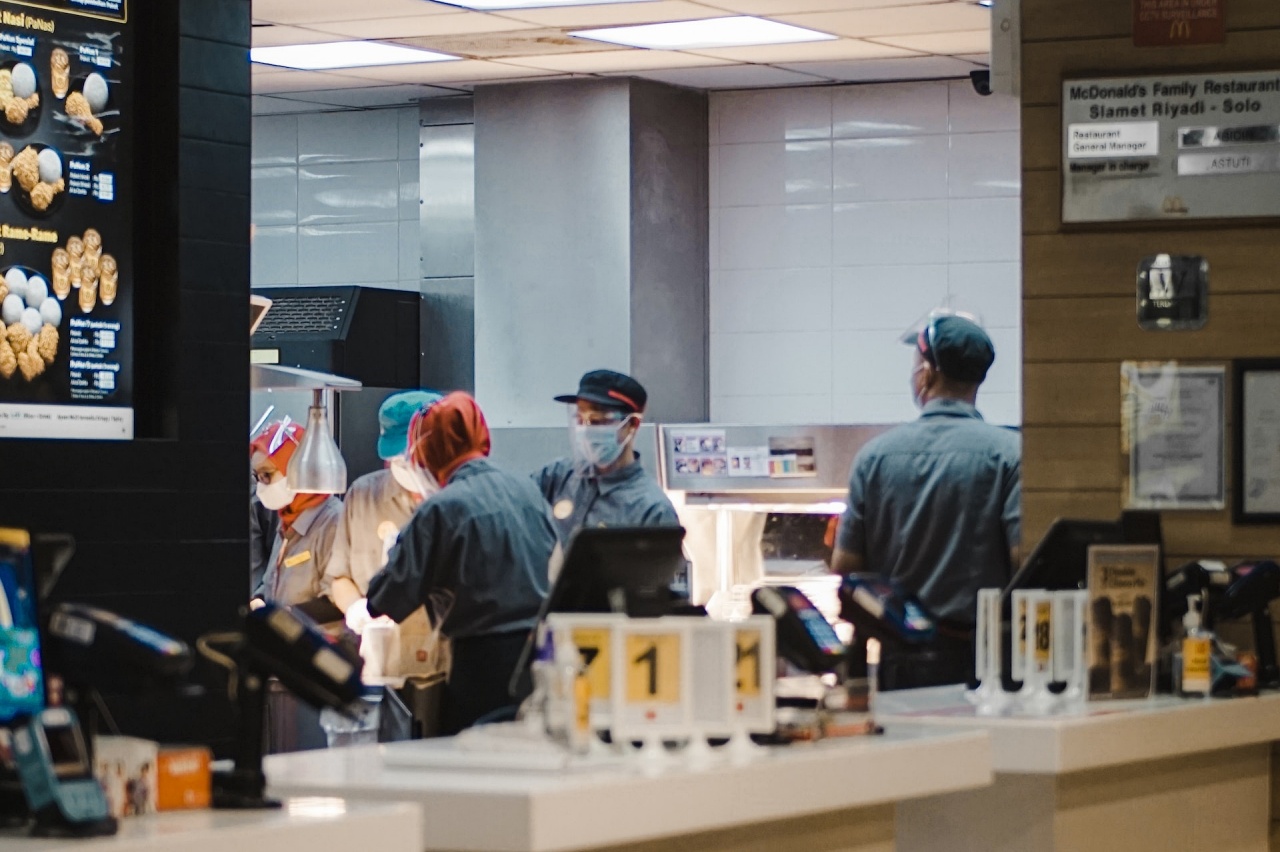
Global fast-food leaders McDonald's Corporation (NYSE: MCD) and Restaurant Brands International (NYSE: QSR) are confronting a challenging business landscape as the ongoing Iran war disrupts supply chains and dampens consumer confidence worldwide. A recent Bernstein research note highlights how both companies are feeling the ripple effects, even as direct U.S. supply chain disruptions remain modest for now.
Rising energy and commodity prices are emerging as a key concern, squeezing franchisee profit margins at a time when high-frequency consumer spending data from early March already points to softening demand. The pressure is especially acute among low-income consumers, who allocate a significantly larger share of their budgets to fuel costs. As gas prices climb, discretionary spending on restaurant meals becomes one of the first casualties — a worrying sign for value-driven fast-food chains that depend on this demographic.
Historically considered recession-resistant investments, McDonald's and QSR are now being tested by the magnitude of the current energy shock. International markets are bearing the brunt, with operations in Asia particularly affected by inconsistent supply chains and elevated logistics expenses. Restaurant Brands International, which oversees Burger King, Popeyes, and Tim Hortons, faces the added challenge of sustaining its value-focused messaging while local franchisees struggle with rising overhead costs.
McDonald's has employed strategic commodity and energy hedging to buffer corporate-owned and franchise locations from immediate volatility. However, Bernstein analysts caution that prolonged elevated energy prices through late 2026 could erode those protections once hedges expire and reset at higher market rates. This scenario could slow critical investments in store upgrades and digital initiatives.
While Wall Street remains optimistic about the long-term unit growth trajectory for both brands, near-term earnings guidance is expected to reflect a cautious outlook, particularly regarding global comparable store sales performance.







