


 Trump Urges Gasoline Retailers to Cut Prices to $2.50 Per Gallon, Warns of Legal Action
  Trump Announces September Overhaul of Washington’s East Potomac Golf Links
  Israeli Airstrike Kills Three in Central Gaza Despite Ceasefire
  Sheinbaum Says No One Is Above the Law After Abuse Video of Ex-Pemex Chief Emerges
  Russia Intensifies Assault on Kostiantynivka as Ukraine’s Donetsk Defense Faces Mounting Pressure
  Iran Skips U.S. Technical Talks Over Unmet MoU Conditions and Frozen Funds Dispute
  Maria Corina Machado’s Return to Venezuela Faces U.S. Hesitation After Deadly Earthquakes
  Taiwan Coast Guard Officer Finds Strength in Faith as China Increases Pressure in Taiwan Strait
  US Strikes Iran Again After Strait of Hormuz Tanker Attack Escalates Ceasefire Tensions
  Russian Attacks on Dnipro, Zaporizhzhia, and Kharkiv Kill 10 as Ukraine Vows Response
  Australia, Vanuatu Sign Security Pact Amid Pacific Influence Competition
  Andy Burnham Sets Out Vision to Decentralize Britain as Labour Leadership Race Begins
  US, Iran Agree to Halt Attacks Ahead of Doha Talks on Strait of Hormuz
  Canada Grants C$7 Million to Greenland Molybdenum Mine to Strengthen Critical Minerals Supply
  Despite its best efforts, Iran won’t be able to toll the Strait of Hormuz. Here’s why


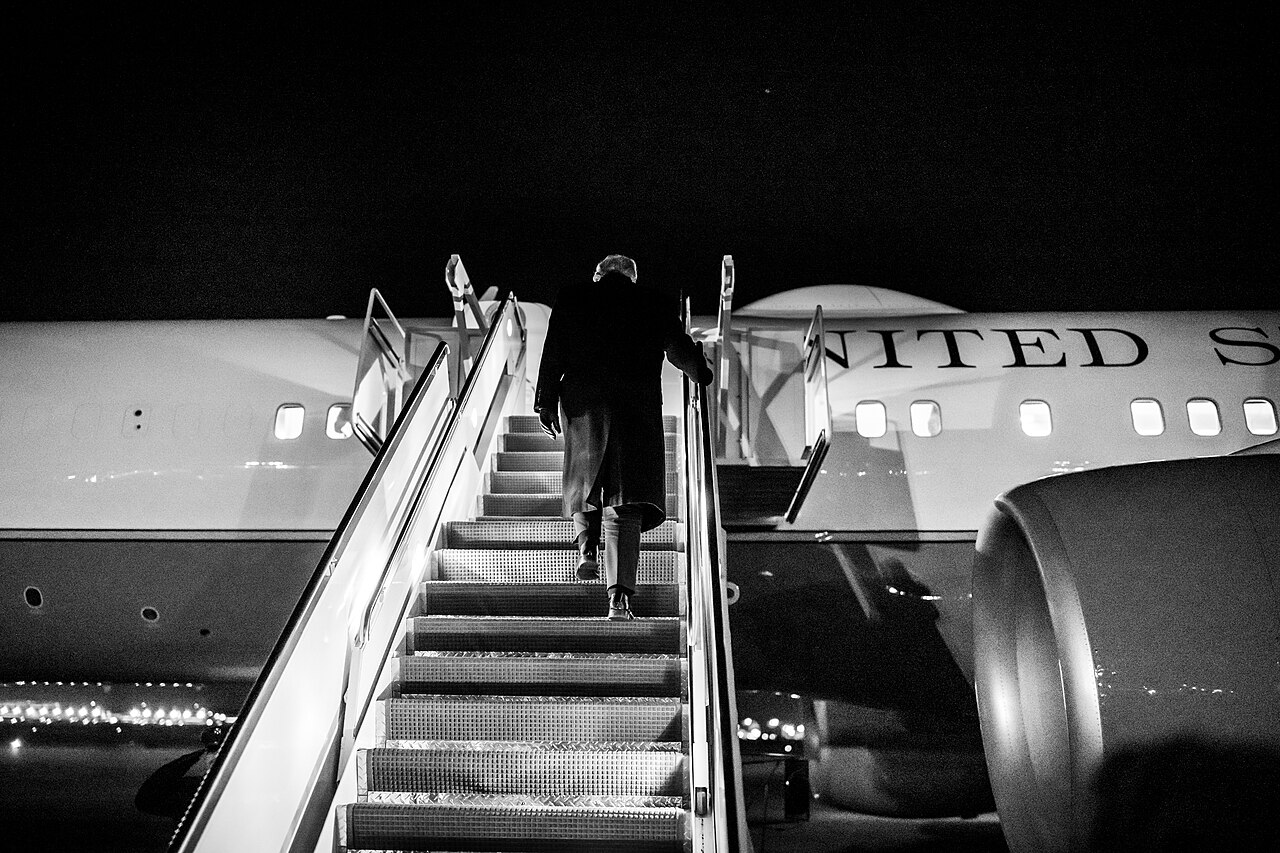
President Donald Trump announced Sunday that the United States is actively engaged in direct negotiations with Iran, expressing cautious optimism that a diplomatic agreement could be reached soon. Speaking to reporters aboard Air Force One, Trump described the talks as progressing "extremely well," while stopping short of committing to a specific timeline.
"I think we'll make a deal with them, but it's possible we won't," Trump stated, adding that he believed an agreement with Iran "could be soon." The comments come amid a rapidly shifting geopolitical landscape following U.S. military strikes over the past month that reportedly eliminated several senior Iranian officials and dismantled key military infrastructure, including Tehran's air force, naval assets, and missile launch systems.
Despite Iran's repeated public denials of any direct dialogue with Washington since hostilities began in late February, Trump confirmed that negotiations are taking place both directly and indirectly. He also pointed to what he described as a significant concession from Tehran — the passage of approximately 20 large oil tankers through the Strait of Hormuz — as a signal of Iran's willingness to engage. Reports indicate the vessels were Pakistani-flagged, and Trump said the movement was set to begin the following morning.
Trump also referenced potential "regime change" in Iran following the U.S. strikes, though he declined to clarify whether American ground troops would be deployed on Iranian soil, only stating that Washington was "weeks ahead of schedule."
Meanwhile, regional tensions remain elevated. Yemen's Houthi movement launched fresh attacks against Israel over the weekend, opening what analysts are calling a new front in the broader conflict. Iranian and Israeli forces also continued exchanging strikes, as the U.S. moved thousands of additional troops into the Middle East — underscoring the fragile and high-stakes nature of any potential diplomatic breakthrough.







