


 Despite its best efforts, Iran won’t be able to toll the Strait of Hormuz. Here’s why
  Super Micro Shares Slide After Taiwan Raids Over Alleged Nvidia AI Chip Smuggling Probe
  Australia Sues Amazon Over Prime Video Ads and Subscription Terms
  Trump Threatens 100% Tariffs on Countries Imposing Digital Services Taxes on U.S. Tech Firms
  Russian Attacks Kill Four in Ukraine as Zaporizhzhia and Kharkiv Come Under Fire
  Trump Suspends Some Morocco Fertilizer Tariffs to Ease U.S. Supply Shortage
  Supreme Court Backs Lisa Cook, Defends Federal Reserve Independence Against Trump Firing Attempt
  Israeli Airstrike Kills Three in Central Gaza Despite Ceasefire
  Mexico, U.S. Launch Sterile Fly Facility to Combat New World Screwworm Outbreak
  Trump Administration Closes Delta Air Lines Investigation Over 2024 CrowdStrike Outage
  U.S. Eases Iran Team Travel Restrictions Ahead of Seattle World Cup Match
  US Waives Iran Sanctions for 60 Days as Peace Talks Advance and Lebanon Sees Calm
  Maria Corina Machado’s Return to Venezuela Faces U.S. Hesitation After Deadly Earthquakes
  Australia Plans Higher Fines for Social Media Firms Failing to Block Underage Users
  Texas Approves Bible-Inclusive Reading Lists for Public Schools Starting in 2030
  Italy Investigates Microsoft Over Microsoft 365 AI Subscription Price Hike
  Taiwan Coast Guard Officer Finds Strength in Faith as China Increases Pressure in Taiwan Strait


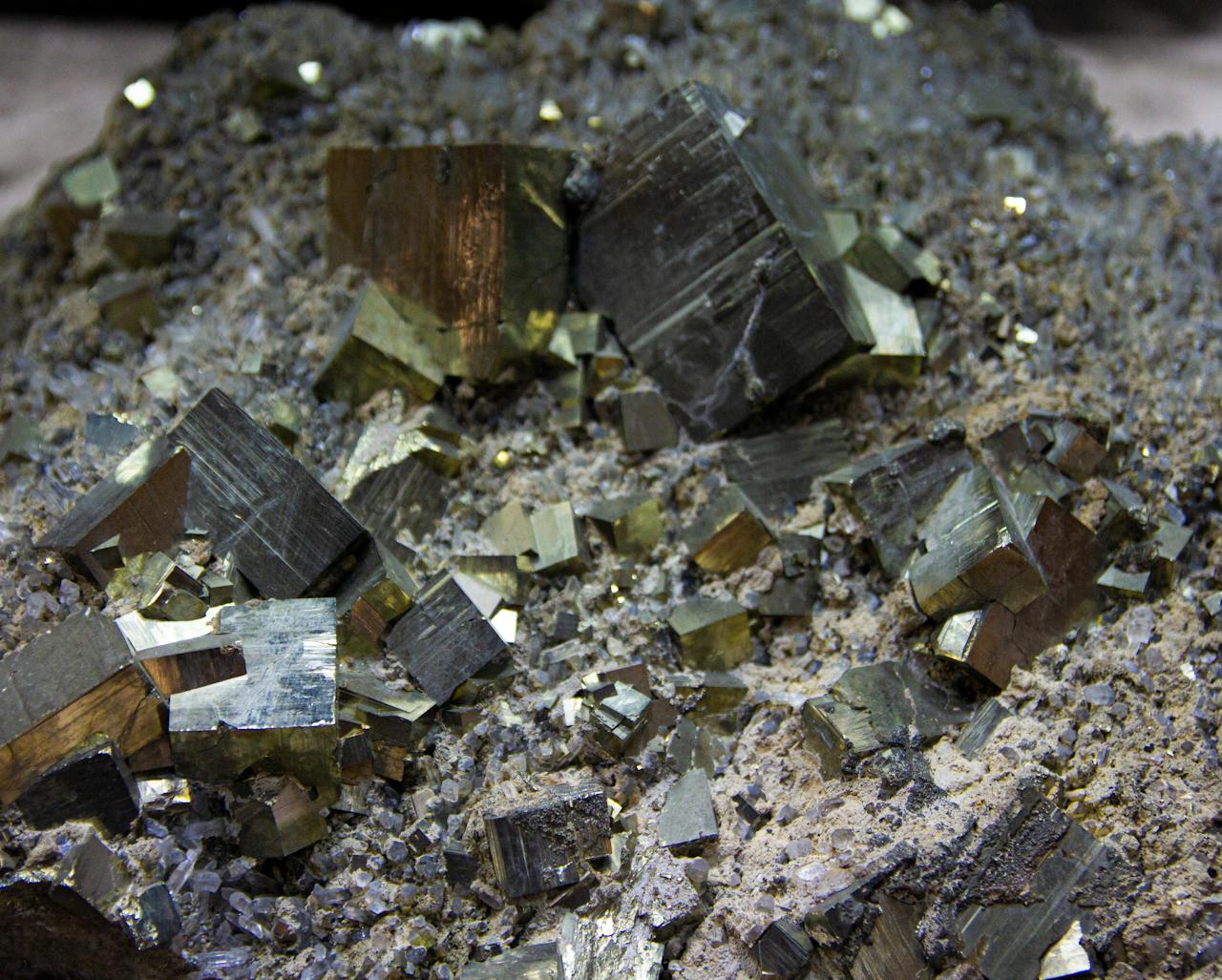
The United States government has taken a significant step toward revitalizing economic ties with Venezuela by issuing new general licenses related to the country's critical minerals sector. The U.S. Treasury Department announced the move on Friday, signaling a broader effort to reorient foreign investment in ways that benefit both American and Venezuelan interests.
The newly issued licenses cover two key areas of activity. The first authorizes the supply of specific goods and services needed to support mineral operations within Venezuela. The second permits companies to negotiate and enter into contingent contracts tied to investments in Venezuela's growing minerals sector. Together, these licenses open the door for U.S.-linked businesses to participate more actively in one of South America's most resource-rich economies.
In an official statement shared on X, the Treasury Department framed the decision as part of a larger strategy aimed at bringing the Venezuelan economy back online. Officials emphasized that the goal is to channel investment in a direction that creates tangible benefits for people on both sides of the relationship — fostering economic recovery in Venezuela while expanding opportunities for American stakeholders in the global critical minerals market.
The timing of this announcement is particularly noteworthy given the intensifying global race to secure critical mineral supply chains. Nations worldwide are competing for access to raw materials essential for clean energy technologies, electronics, and national defense infrastructure. Venezuela, which sits on vast reserves of minerals including gold, coltan, and bauxite, represents a potentially significant player in meeting that demand.
This latest licensing action reflects a careful but deliberate shift in U.S. economic policy toward Venezuela, prioritizing strategic resource access and economic engagement over prolonged isolation. As negotiations and investments begin to take shape under the new framework, the global mining and energy industries will be watching closely.







