


 Andy Burnham Sets Out Vision to Decentralize Britain as Labour Leadership Race Begins
  Supreme Court Backs Lisa Cook, Defends Federal Reserve Independence Against Trump Firing Attempt
  Iran Launches Drone Attack on Bahrain After U.S. Strikes, Strait of Hormuz Tensions Escalate
  Russia Intensifies Assault on Kostiantynivka as Ukraine’s Donetsk Defense Faces Mounting Pressure
  Taiwan Coast Guard Officer Finds Strength in Faith as China Increases Pressure in Taiwan Strait
  Australia, Vanuatu Sign Security Pact Amid Pacific Influence Competition
  Serbia President Aleksandar Vucic to Resign, Calls Early Elections After Months of Protests
  Trump Announces September Overhaul of Washington’s East Potomac Golf Links
  Maria Corina Machado’s Return to Venezuela Faces U.S. Hesitation After Deadly Earthquakes
  Canada Grants C$7 Million to Greenland Molybdenum Mine to Strengthen Critical Minerals Supply
  Russian Attacks on Dnipro, Zaporizhzhia, and Kharkiv Kill 10 as Ukraine Vows Response
  Sheinbaum Says No One Is Above the Law After Abuse Video of Ex-Pemex Chief Emerges
  Australia Plans Higher Fines for Social Media Firms Failing to Block Underage Users
  Trump Suspends Some Morocco Fertilizer Tariffs to Ease U.S. Supply Shortage
  Mexico, U.S. Launch Sterile Fly Facility to Combat New World Screwworm Outbreak
  Israeli Airstrike Kills Three in Central Gaza Despite Ceasefire
  US, Iran Agree to Halt Attacks Ahead of Doha Talks on Strait of Hormuz


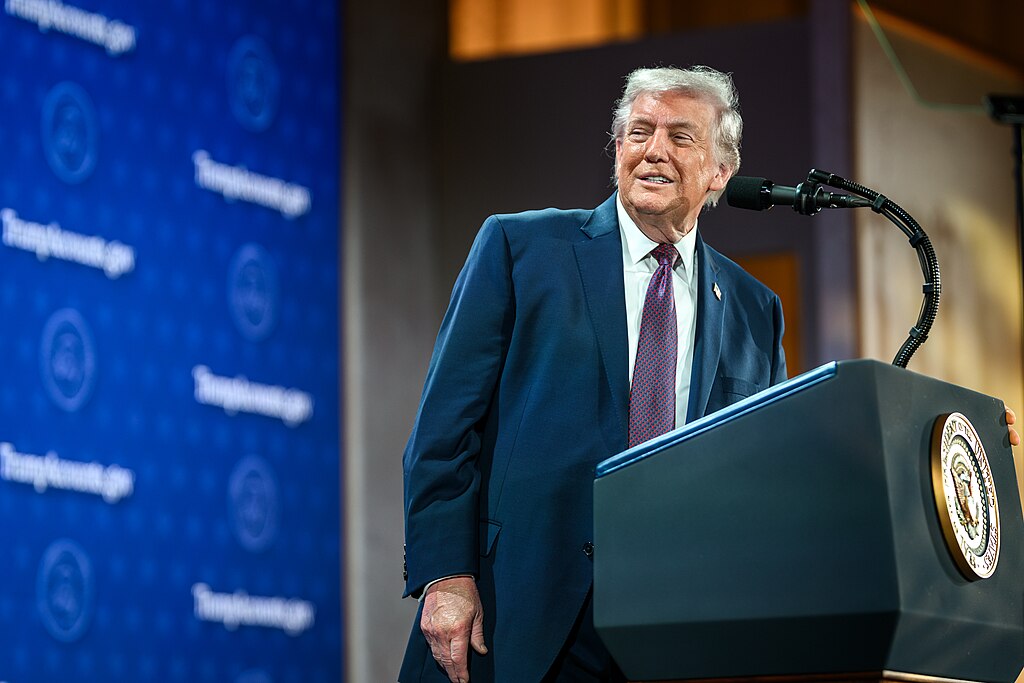
President Donald Trump once again cast doubt on America's dedication to NATO on Friday, declaring that the United States does not "have to be there" for the alliance — remarks that have reignited global concerns about the future of transatlantic security cooperation.
Speaking at an investment forum in Miami, Trump expressed frustration over European NATO members' refusal to offer material support to the U.S., now entering its fourth week of military operations against Iran. European allies, who were neither consulted nor in favor of the U.S. decision to strike Iran late last month, have largely distanced themselves from the conflict.
"We would have always been there for them, but now, based on their actions, I guess we don't have to be, do we?" Trump told the audience, framing the moment as breaking news himself.
The remarks bring renewed scrutiny to NATO's Article 5 — the collective defense clause stating that an attack on one member is an attack on all — and whether the current U.S. administration would honor it. Trump has previously wavered on this commitment, most notably during the 2024 campaign when he appeared to invite Russian President Vladimir Putin to take aggressive action against European members who fell short of defense spending expectations.
While U.S.-European relations showed signs of recovery through much of 2025, ties have deteriorated sharply in 2026. A key flashpoint has been Trump's escalating threats to annex Greenland, an overseas territory of Denmark and a NATO ally, further straining diplomatic relations across the Atlantic.
Trump's latest comments underscore a recurring pattern of using NATO membership as a transactional arrangement rather than a bedrock security commitment — a stance that continues to unsettle allies and reshape the geopolitical landscape of Western defense.







