


 Israeli Airstrike Kills Three in Central Gaza Despite Ceasefire
  Trump Announces September Overhaul of Washington’s East Potomac Golf Links
  Serbia President Aleksandar Vucic to Resign, Calls Early Elections After Months of Protests
  Russia Intensifies Assault on Kostiantynivka as Ukraine’s Donetsk Defense Faces Mounting Pressure
  Taiwan Coast Guard Officer Finds Strength in Faith as China Increases Pressure in Taiwan Strait
  Iran Launches Drone Attack on Bahrain After U.S. Strikes, Strait of Hormuz Tensions Escalate
  Trump Suspends Some Morocco Fertilizer Tariffs to Ease U.S. Supply Shortage
  Mexico, U.S. Launch Sterile Fly Facility to Combat New World Screwworm Outbreak
  Despite its best efforts, Iran won’t be able to toll the Strait of Hormuz. Here’s why
  Trump Urges Gasoline Retailers to Cut Prices to $2.50 Per Gallon, Warns of Legal Action
  China Expands Export Controls, Adds 20 Japanese Companies to Restricted List
  Maria Corina Machado’s Return to Venezuela Faces U.S. Hesitation After Deadly Earthquakes
  Andy Burnham Sets Out Vision to Decentralize Britain as Labour Leadership Race Begins
  US Strikes Iran Again After Strait of Hormuz Tanker Attack Escalates Ceasefire Tensions
  Javier Milei Cabinet Chief Manuel Adorni Resigns Amid Spending Scandal Investigation
  Australia, Vanuatu Sign Security Pact Amid Pacific Influence Competition


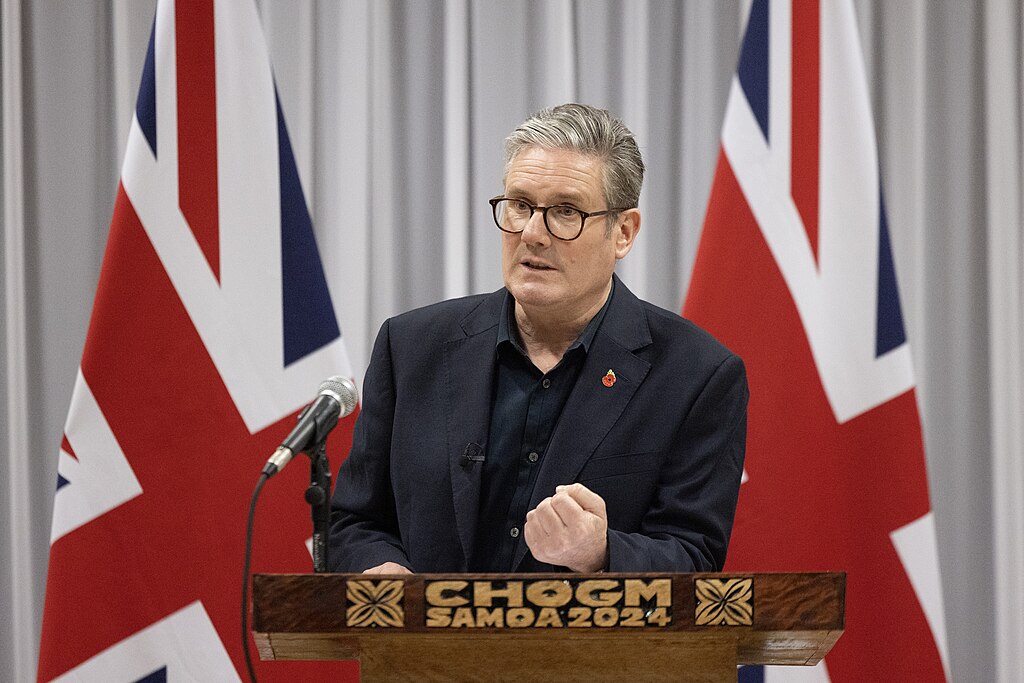
UK Prime Minister Keir Starmer has taken a firm stance amid growing backlash over his controversial decision to appoint Peter Mandelson as U.S. ambassador. Despite increasing political pressure and calls for resignation, Starmer has dismissed speculation of a leadership challenge, describing it as “political noise.” However, he has acknowledged that the appointment—given Mandelson’s past association with disgraced financier Jeffrey Epstein—was a serious misstep.
The controversy has quickly become a dominant issue in UK politics, drawing attention away from key domestic and international priorities. Investors monitoring the British Pound and UK gilt markets are closely watching developments, as political instability often influences currency performance and bond yields. The ongoing scandal risks undermining confidence in the government at a sensitive economic moment.
Starmer’s credibility has come under scrutiny following testimony from senior civil servants. Olly Robbins, former Foreign Office official, told a parliamentary committee that he experienced significant pressure from Downing Street to fast-track Mandelson’s appointment. This statement directly contradicts Starmer’s earlier claim in Parliament that no such pressure existed. The Prime Minister has since attempted to downplay the issue, calling it routine governmental urgency, but critics argue the inconsistency damages public trust.
The timing of the controversy is particularly challenging for the Labour Party, which is already facing potential setbacks in upcoming local elections. Declining public confidence and strained relations with the civil service could weaken the party’s political standing further. Additional testimony from key figures, including former chief of staff Morgan McSweeney, is expected to intensify scrutiny in the coming days.
As the situation unfolds, financial markets remain sensitive to the political climate. Prolonged uncertainty could weigh on the British Pound and increase volatility in gilt markets, especially if policy decisions are delayed. Investors and analysts alike are keeping a close eye on whether Starmer’s administration can stabilize both its political footing and the broader economic outlook.







