


 Trump Urges Gasoline Retailers to Cut Prices to $2.50 Per Gallon, Warns of Legal Action
  Maria Corina Machado’s Return to Venezuela Faces U.S. Hesitation After Deadly Earthquakes
  Russian Attacks Kill Four in Ukraine as Zaporizhzhia and Kharkiv Come Under Fire
  Sheinbaum Says No One Is Above the Law After Abuse Video of Ex-Pemex Chief Emerges
  Despite its best efforts, Iran won’t be able to toll the Strait of Hormuz. Here’s why
  Russian Attacks on Dnipro, Zaporizhzhia, and Kharkiv Kill 10 as Ukraine Vows Response
  Trump Threatens 100% Tariffs on Countries Imposing Digital Services Taxes on U.S. Tech Firms
  Trump Questions Housing Bill as He Prioritizes SAVE America Act
  Supreme Court Backs Lisa Cook, Defends Federal Reserve Independence Against Trump Firing Attempt
  Trump Announces September Overhaul of Washington’s East Potomac Golf Links
  Ukraine Strikes Russian Titan-Barrikady Plant With Long-Range FP-5 Flamingo Missile
  Serbia President Aleksandar Vucic to Resign, Calls Early Elections After Months of Protests
  Andy Burnham Sets Out Vision to Decentralize Britain as Labour Leadership Race Begins
  Russia Intensifies Assault on Kostiantynivka as Ukraine’s Donetsk Defense Faces Mounting Pressure
  Trump Signs Memorandum Backing Americans’ Right to Repair Their Own Vehicles
  Taiwan Coast Guard Officer Finds Strength in Faith as China Increases Pressure in Taiwan Strait
  Trump Suspends Some Morocco Fertilizer Tariffs to Ease U.S. Supply Shortage


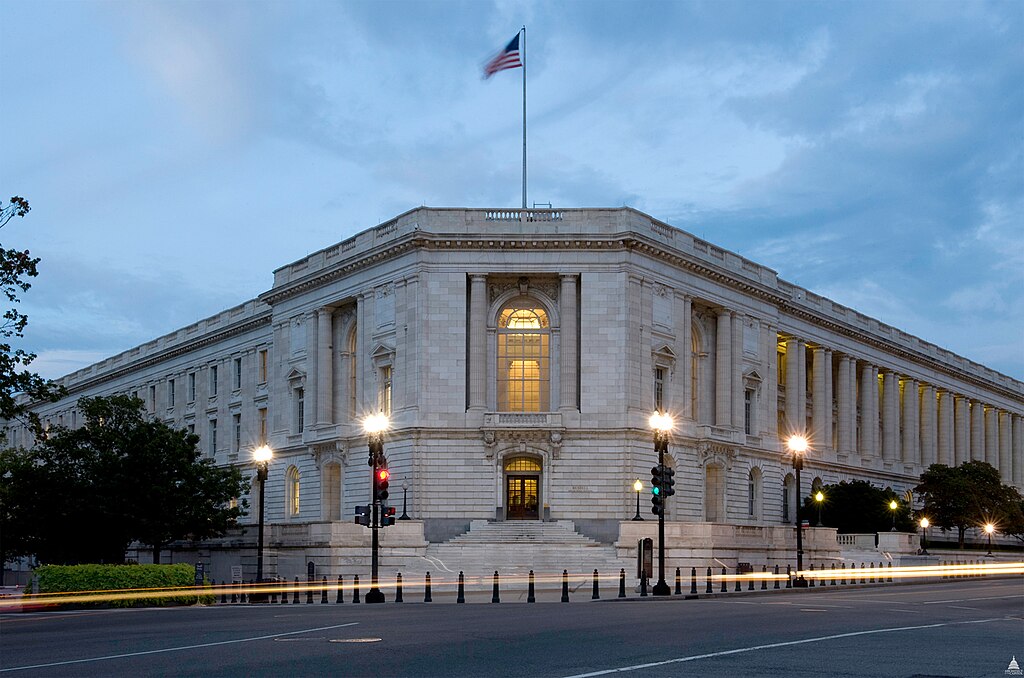
The U.S. Senate is expected to vote as early as next week on a Democratic-led measure aimed at preventing President Donald Trump from initiating military action against Cuba without congressional approval. Senate aides confirmed Friday that lawmakers anticipate the vote before May 1, though an exact date has not yet been scheduled.
The proposed legislation, known as the Cuba War Powers Resolution, was introduced last month by Democratic Senators Tim Kaine, Adam Schiff, and Ruben Gallego. Under Senate rules, Republican leadership is required to allow the resolution to come to the floor for consideration, despite their narrow majority in both chambers of Congress.
Senator Adam Schiff warned that Trump’s recent rhetoric signals potential escalation. “The president’s saber rattling toward Cuba makes clear where his sights are next,” Schiff said when unveiling the resolution. Trump has fueled concerns by publicly stating that “Cuba is next,” while praising recent U.S. military actions abroad.
During his presidency, U.S. forces have carried out operations in Venezuela, including strikes on boats and a mission into Caracas to detain President Nicolás Maduro. Additionally, the U.S., alongside Israel, has been engaged in military conflict with Iran since late February. Notably, these actions were conducted without formal authorization from Congress, raising ongoing debates about executive power and war authority.
Democrats have repeatedly attempted to limit Trump’s ability to launch military operations without legislative approval, but their efforts have consistently failed due to unified Republican opposition. So far, there are no clear signs that GOP lawmakers are changing their stance.
While the U.S. Constitution grants Congress the authority to declare war, presidents can initiate limited military actions, particularly in response to immediate threats. The White House maintains that Trump’s actions fall within his अधिकार as commander-in-chief, emphasizing national security concerns. Meanwhile, Republicans argue that these resolutions are politically motivated attempts to undermine the president.
As tensions rise, the upcoming Senate vote on the Cuba War Powers Resolution could become a key moment in defining the balance of power between Congress and the presidency over military decisions.







