


 Nasdaq Futures Jump as Micron Earnings Boost AI Trade
  BOJ Signals Faster Rate Hikes as Inflation Risks Grow
  U.S. Stock Futures Steady as AI, Rate Concerns Weigh
  Fed Unveils Stablecoin Rules Under GENIUS Act
  Dollar Eases Near Two-Month High as Yen Rebounds
  BOJ Flags Import Costs and Yen Shocks as Persistent Inflation Risks
  US Alcohol Ban Exposes Canada’s Internal Trade Barriers
  Central Banks Could Buy 20,000 Tonnes of Gold: BofA
  Global Central Banks Brace for More Rate Hikes as Inflation Risks Rise
  Trump Eyes $54 Billion South Korean Investment in Alaska LNG
  Japan Factory Output Unexpectedly Falls 1.7% in August
  Australia Inflation Accelerates to 4% After RBA Rate Hike
  Asian Currencies Mixed as Yen Weakens, RBA Hike Looms


 Add as a preferred source on Google
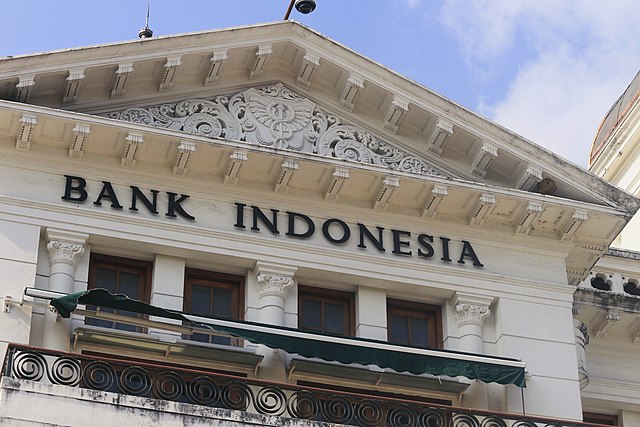
Bank Indonesia’s unexpected interest rate cut this week has rattled global markets, fueling fears that the central bank is bowing to political pressure from President Prabowo Subianto. Investors worry the move threatens the rupiah’s stability and undermines the bank’s independence, a reputation long seen as a cornerstone of Indonesia’s fiscal credibility.
None of the 31 economists surveyed by Reuters anticipated Wednesday’s cut, which follows the abrupt dismissal of respected finance minister Sri Mulyani Indrawati. Combined with ongoing protests in major cities, investor anxiety over fiscal discipline and policy direction has intensified.
Prabowo’s ambitious goal of boosting economic growth to 8% from around 5% has raised concerns that political priorities are outweighing market stability. While Indonesia has historically been praised for fiscal prudence and a central bank focused on currency stability, doubts are growing as BI has now lowered its policy rate by 150 basis points over the past year.
The rupiah has already lost 3% in 2025, marking it the weakest Asian currency. It briefly touched a record low of 16,970 per U.S. dollar in April, forcing repeated central bank interventions. Analysts warn that an overstretched push for growth could worsen Indonesia’s current account position and stoke inflation.
Although Indonesia’s macro fundamentals—low debt, manageable deficits, and stable inflation—remain strong, the market fears mounting political influence on monetary policy. A controversial “burden sharing” deal, which allows BI to help fund government programs, has further unsettled investors who worry about long-term risks to independence.
Experts caution that unless Indonesia reassures global markets with clear communication and policy discipline, risk premiums will remain elevated and confidence in the rupiah will continue to erode.







