


 Gold Plunges 4% as Treasury Yields Surge and Fed Rate Hike Bets Rise
  Asian Stocks Fall as Oil Surge, Bond Yields and AI Concerns Hit Markets
  South Korea Exports Set for 16th Monthly Gain on AI Chip Demand
  RBA Hikes Interest Rate to 4.60% as Inflation Risks Rise
  BOJ Set for Rate Hike as Inflation and Yen Pressure Mount
  Oil Prices Jump Nearly 3% as Iran Holds Firm on Hormuz Conditions
  US Dollar Hits Two-Month High as Aussie, Pound Slide
  Asian Currencies Mixed as Yen Weakens, RBA Hike Looms
  Yen in Focus as BOJ, Fed Rate Hikes Reshape Currency Markets
  RBA Says ASX Still Falls Short on Governance and Risk Controls
  Asian Stocks Fall as Bond Yields and Oil Prices Surge
  RBI Uses $10 Billion Currency Swaps to Drain Excess Rupee Liquidity
  China, US Extend Trade Truce Through January 10 After Trump-Xi Summit
  Fed Rate Hike Threatens Housing as U.S. Growth Leans on AI, Citi Says
  U.S. Stock Futures Fall as Iran, Oil and AI Risks Rattle Markets
  BlackRock’s Rick Rieder Favors Bonds Over Stocks as Treasury Yields Surge


 Add as a preferred source on Google
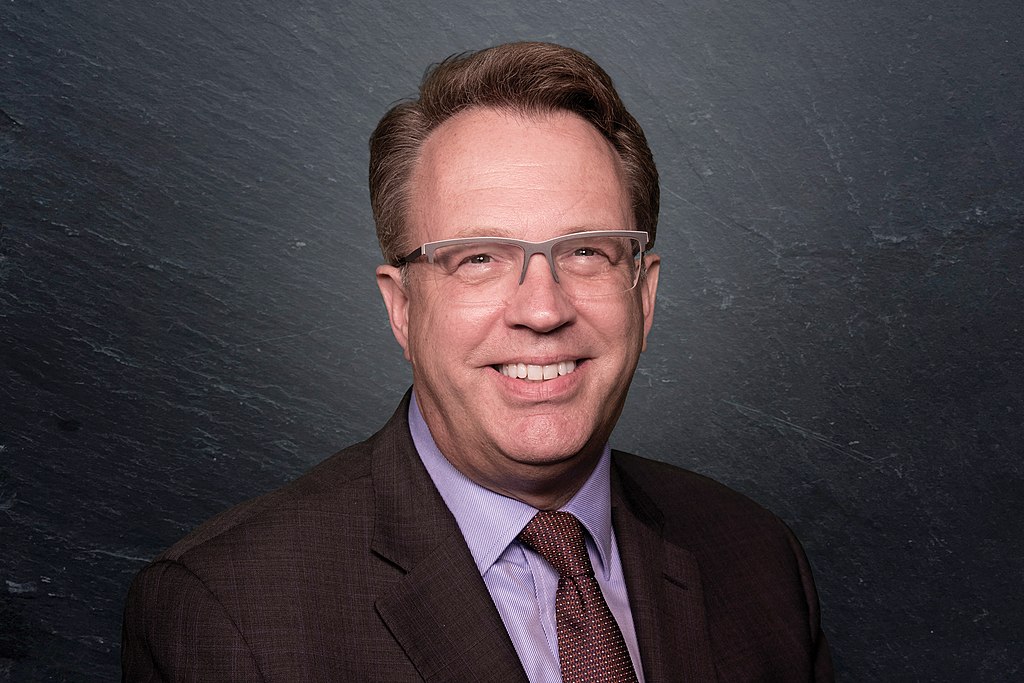
Federal Reserve Bank of New York President John Williams said Monday that the U.S. economy is on solid footing heading into 2026 and indicated there is no immediate need for additional interest rate cuts, reinforcing expectations that the Federal Reserve is entering a policy holding phase.
Speaking at an event hosted by the Council on Foreign Relations in New York, Williams said the Federal Open Market Committee has moved monetary policy closer to a neutral stance after last year’s rate reductions. He noted that current policy is now well positioned to stabilize the labor market while guiding inflation back toward the Fed’s long-term 2% target.
Williams emphasized that the central bank’s priority remains restoring price stability without creating unnecessary risks for employment. He acknowledged that downside risks to the job market have increased as hiring activity cools, while inflation pressures have eased compared to recent months. Still, inflation remains above target, supporting the Fed’s cautious approach.
The Fed cut its benchmark federal funds rate by a total of 0.75 percentage points last year, bringing the target range to between 3.5% and 3.75%. Those moves were aimed at balancing a softening labor market against persistent inflation. At the December policy meeting, officials projected one additional rate cut this year, assuming inflation continues to ease and employment remains steady.
In his latest remarks, Williams said he does not see an urgent need for near-term rate cuts, a view echoed recently by several other Fed officials despite political pressure from President Donald Trump and his allies to lower borrowing costs more aggressively.
Williams described his economic outlook as “quite favorable,” forecasting GDP growth between 2.5% and 2.75% this year. He expects the unemployment rate to stabilize before declining in the years ahead. Inflation, he said, may peak between 2.75% and 3% in the first half of the year, average around 2.5% for the full year, and return to 2% by 2027.
The speech came amid heightened scrutiny of the Federal Reserve’s independence following legal actions related to cost overruns at its headquarters. While declining to comment on ongoing investigations, Williams warned that undermining central bank independence often leads to poor economic outcomes, including higher inflation. He also voiced strong support for Fed Chair Jerome Powell, citing his leadership and integrity during challenging periods.
Williams said financial markets have remained relatively calm due to uncertainty surrounding the political and legal developments, adding that investors currently lack conviction about how events will unfold.







