


 Asian Currencies Mixed as Yen Weakens, RBA Hike Looms
  Trump Eyes $54 Billion South Korean Investment in Alaska LNG
  Fed’s Williams Signals One More Rate Hike Before Year-End
  RBA Hikes Interest Rate to 4.60% as Inflation Risks Rise
  South Korea Exports Set for 16th Monthly Gain on AI Chip Demand
  BOJ Set to Raise Rates to 1.25% as Inflation Risks Build
  Asian Stocks Fall as Bond Yields and Oil Prices Surge
  US Alcohol Ban Exposes Canada’s Internal Trade Barriers
  Global Central Banks Brace for More Rate Hikes as Inflation Risks Rise
  UK Housebuilder Stocks Surge on New First-Time Buyer Loan Scheme
  Asian Stocks Fall as Oil Surge, Bond Yields and AI Concerns Hit Markets
  XRP Price Targets $1.70 as Bullish Momentum Builds
  Asian Currencies Weaken as Dollar, Oil Prices Rise


 Add as a preferred source on Google
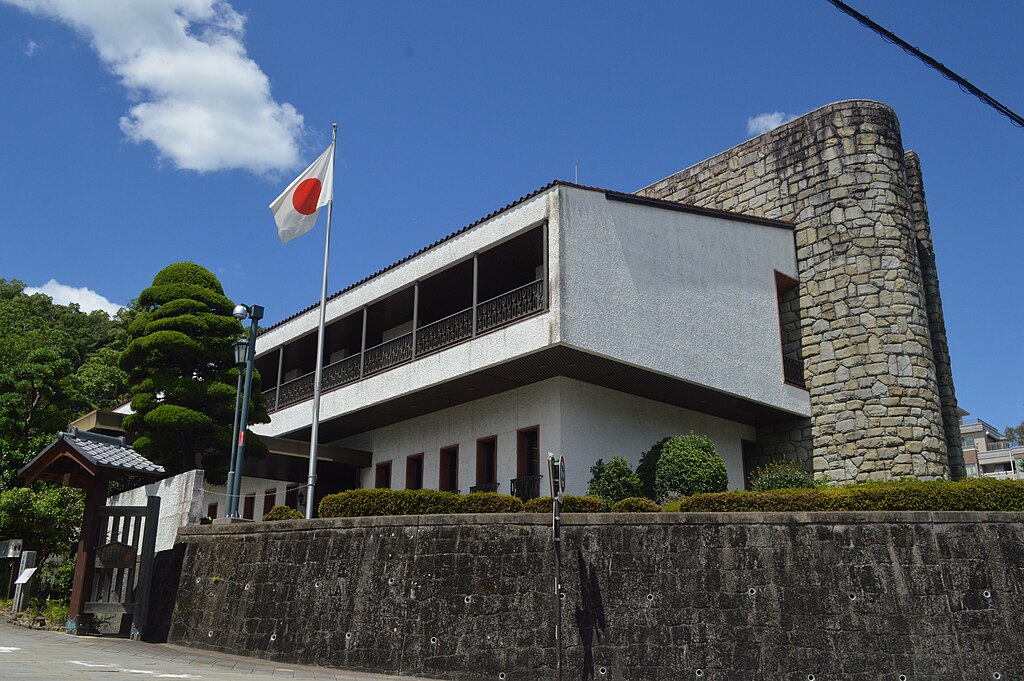
The Bank of Japan (BOJ) is widely expected to raise its economic growth forecast this Friday and signal its readiness to tighten monetary policy further, as persistent yen depreciation and expectations of solid wage growth keep inflation risks in focus. However, BOJ Governor Kazuo Ueda is unlikely to provide clear guidance on the timing of the next interest rate hike, reflecting the complex policy environment shaped by rising bond yields and political uncertainty following Prime Minister Sanae Takaichi’s decision to call a snap election in February.
After lifting interest rates in December to a 30-year high of 0.75%, the BOJ is expected to keep borrowing costs unchanged at its upcoming two-day policy meeting. Financial markets will closely watch Ueda’s post-meeting press conference for hints on how the central bank plans to balance the need to stabilize the yen without fueling further increases in Japanese government bond yields.
The policy outlook has grown more complicated since Prime Minister Takaichi reiterated proposals to cut Japan’s consumption tax and end what she called “excessively tight fiscal policy.” Such expansionary fiscal measures could add to inflationary pressure, potentially justifying additional rate hikes. At the same time, analysts note that a strong election showing for Takaichi could strengthen the influence of advisers who favor accommodative monetary policy to support Japan’s still-fragile economy.
Concerns over Japan’s fiscal position have already pushed the 10-year government bond yield to a 27-year high of 2.30%. Meanwhile, the yen has weakened roughly 8% against the dollar since October, briefly touching an 18-month low, raising fears of higher import costs and broader consumer price inflation. Although the currency has recently recovered slightly, its overall downtrend has fueled market expectations that the BOJ may accelerate rate hikes to contain inflation.
Sources familiar with BOJ thinking suggest an April rate hike cannot be ruled out, even though most economists surveyed by Reuters expect the next move in July, with rates reaching 1% or higher by September. The BOJ’s quarterly outlook report is expected to show increased confidence that inflation will sustainably reach its 2% target later this year, supported by steady wage gains, higher goods prices, and a modest improvement in economic growth.







