


 US Dollar Weakens as Iran Talks Boost Risk Appetite in Forex Market
  Oil Prices Rise as U.S.-Iran Tensions and Strait of Hormuz Disruptions Persist
  European Car Sales Surge in March as EV and Hybrid Demand Accelerates
  South Korea Central Bank Signals Cautious Policy Amid Inflation and Middle East Tensions
  Bank of Korea Nominee Shin Hyun-song Calls for Flexible Monetary Policy Amid Iran War Risks
  India-US Trade Talks Advance Toward $500 Billion Goal Amid Ongoing Negotiations
  Bank of Japan Signals Potential Rate Hike as Inflation Risks Rise Amid Energy Shock
  Oil Prices Surge Amid Escalating U.S.-Iran Conflict and Strait of Hormuz Tensions
  Wall Street Hits Record High as Tech Stocks Surge Amid U.S.-Iran Developments
  RBI Clamps Down on Rupee NDF Activity, Banks Face Steeper Losses
  Dollar Gains as Middle East Tensions and Rising Oil Prices Support Safe-Haven Demand
  Japan Inflation Expectations Rise as BOJ Rate Hike Timing Faces Uncertainty
  Asian Markets Mixed as Oil Prices Rise Amid Middle East Tensions and Ceasefire Uncertainty
  India's Central Bank Holds Rates Amid Iran War Energy Shock


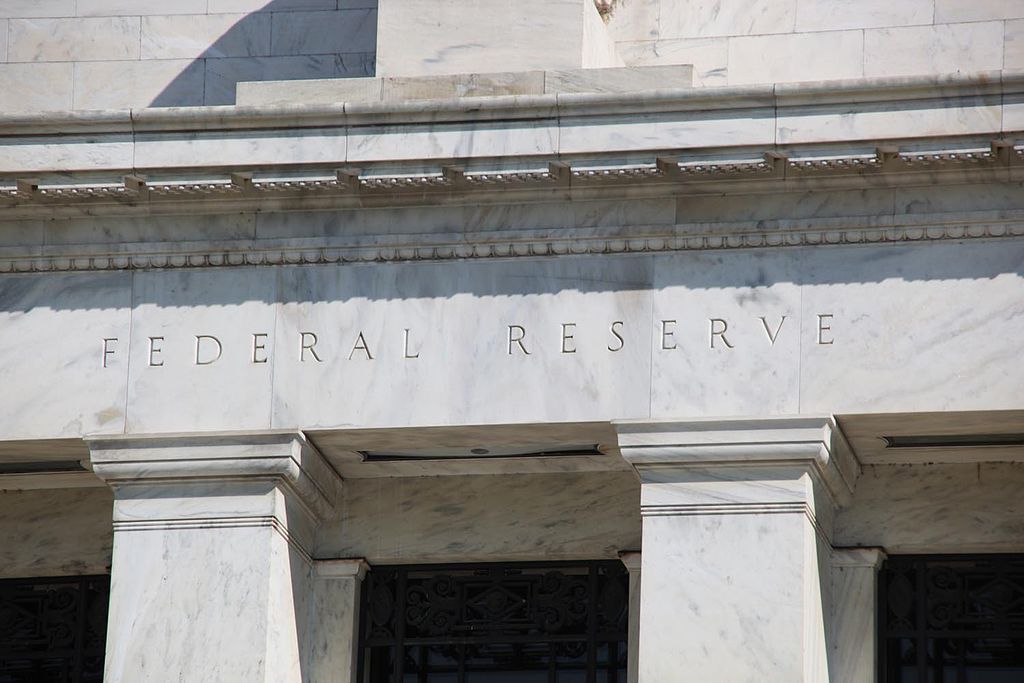
Federal Reserve Bank of Philadelphia President Anna Paulson said on Saturday that additional U.S. interest rate cuts may not happen immediately, as policymakers assess how the economy responds following an aggressive easing cycle last year. Speaking ahead of the 2026 Allied Social Science Associations Annual Meeting in Philadelphia, Paulson emphasized a cautious and data-dependent approach to future monetary policy decisions.
Paulson noted that inflation appears to be moderating, the labor market is stabilizing, and economic growth is expected to come in around 2% this year. If these trends continue, she said modest additional adjustments to the federal funds rate could be appropriate later in the year. However, she stressed that the current policy rate remains slightly restrictive and is still contributing to easing inflationary pressures.
The Federal Open Market Committee (FOMC), on which Paulson holds a voting seat this year, cut interest rates by a total of 75 basis points in 2025 through three separate 25-basis-point reductions. Those moves left the benchmark federal funds rate in a range of 3.5% to 3.75% at the December policy meeting. The cuts reflected a delicate balancing act, as officials sought to curb inflation while also supporting a softening labor market.
During that period, the Fed faced political pressure from President Donald Trump to implement more aggressive rate cuts, even as some policymakers argued against easing with inflation still above the central bank’s 2% target. Fed Chair Jerome Powell offered limited guidance in December on the timing of future rate reductions, though official projections continue to point toward further easing in 2026.
Paulson expressed cautious optimism that inflation could approach the 2% target on a run-rate basis by year-end, particularly as tariff-related price adjustments fade. On employment, she said the labor market is slowing but not deteriorating sharply, with both supply and demand factors contributing to weaker hiring. She added that employment trends will require close monitoring as the year progresses.
Overall, Paulson’s remarks underscore the Fed’s careful stance as it weighs inflation trends, economic growth, and labor market conditions before making further interest rate decisions.







