


 Yen Falls to 40-Year Low as Markets Watch Japan Intervention and U.S. Jobs Report
  Gold Price Falls as Fed Rate Hike Fears and U.S.-Iran Tensions Weigh on Bullion
  Gold Price Hits Annual Low as Fed Rate Hike Bets and Sticky Inflation Weigh on Bullion
  World Bank Approves $1.1 Billion Emergency Funding for Bangladesh Amid Food and Energy Price Pressures
  Dollar Slips Ahead of Key U.S. Jobs Data as Fed Rate Outlook, ECB, and Iran Talks Shape Forex Markets
  Asian Stocks Slip as US-Iran Ceasefire Hopes Lift Oil, Dollar Strength Persists
  Trump Suspends Some Morocco Fertilizer Tariffs to Ease U.S. Supply Shortage
  Canada Grants C$7 Million to Greenland Molybdenum Mine to Strengthen Critical Minerals Supply
  Asian Currencies Stay Range-Bound as Investors Eye China Data, RBNZ Outlook and U.S.-Iran Ceasefire
  China Manufacturing PMI Edges Higher in June as Exports and AI Investment Boost Growth
  US Stock Futures Steady as Investors Await Payrolls Data and Monitor Iran Tensions
  China Sets 1.25% Overnight Reverse Repo Rate Below Market Expectations
  Japan Targets 1%+ Real Economic Growth With ¥370 Trillion Investment Plan
  Economic pessimism has set in – but there are reasons for Australians to be hopeful
  Oil Prices Rise as US-Iran Tensions Threaten Strait of Hormuz Oil Shipments
  Global Financial Firms Shift Asia Expansion Focus to South Korea as China, India Face Caution


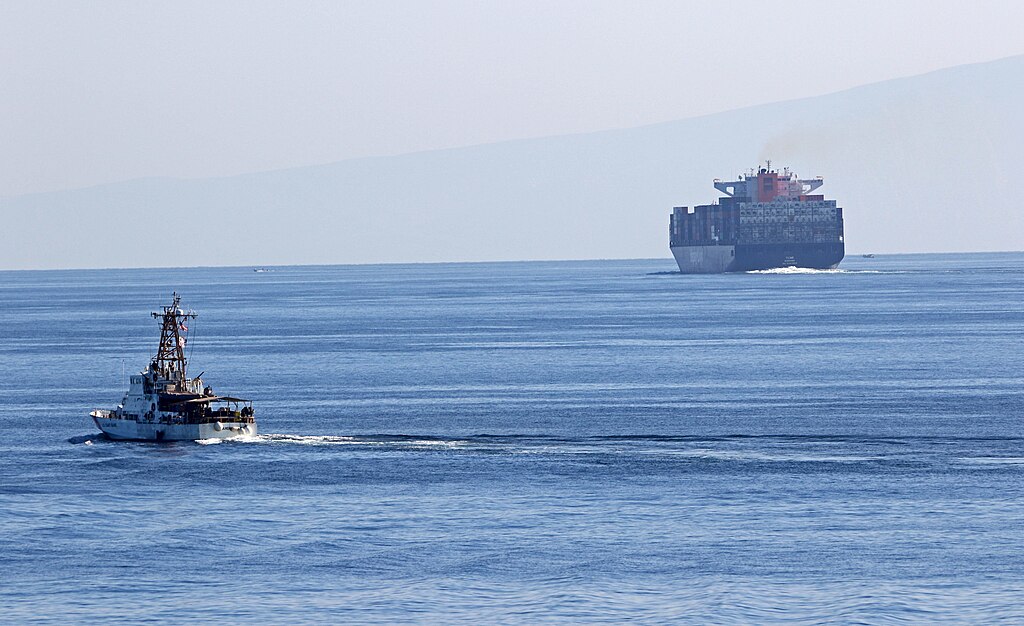
Oil prices climbed during Asian trading on Friday, driven by growing concerns over a prolonged U.S.-Iran conflict and ongoing disruptions in the Strait of Hormuz. Market sentiment remains tense after U.S. President Donald Trump stated he is in no hurry to reach a resolution with Iran, fueling uncertainty in global crude supply.
Brent crude futures rose 1.1% to $106.27 per barrel, while West Texas Intermediate (WTI) crude increased 1% to $96.83 per barrel. Both benchmarks are on track for significant weekly gains, rising between 15% and 18%, as geopolitical risks continue to impact the oil market outlook.
Crude prices saw a sharp increase earlier this week following reports of airstrikes targeting areas in and around Iran. Additional pressure came after news that Iran’s lead negotiator in Pakistan-mediated talks with Washington had stepped down, signaling further complications in diplomatic efforts. President Trump reiterated that while he is open to negotiations, he does not intend to rush into an agreement, though he dismissed the possibility of using nuclear weapons.
Tensions have intensified as both the U.S. and Iran remain at a stalemate over key conditions. Iran has demanded the removal of a U.S. naval blockade, while Washington insists on the full reopening of the Strait of Hormuz. This vital shipping route previously accounted for nearly 20% of global oil supply, making its disruption a major concern for energy markets.
Recent incidents in the region, including Iran’s reported seizure of vessels and U.S. counteractions, have heightened fears of further supply chain disruptions. Despite a temporary ceasefire extension involving Israel and Lebanon, markets remain focused on the broader conflict and its implications for oil production and transportation.
With no clear path toward de-escalation, crude oil prices are likely to remain volatile, as investors closely monitor developments in the Middle East and their potential impact on global energy supply.







