


 US Stock Futures Steady as Investors Await Payrolls Data and Monitor Iran Tensions
  China Factory PMI Seen Returning to Growth in June as AI Export Demand Supports Economy
  Trump Urges Gasoline Retailers to Cut Prices to $2.50 Per Gallon, Warns of Legal Action
  Trump Suspends Some Morocco Fertilizer Tariffs to Ease U.S. Supply Shortage
  China Expands Export Controls, Adds 20 Japanese Companies to Restricted List
  World Bank Approves $1.1 Billion Emergency Funding for Bangladesh Amid Food and Energy Price Pressures
  Sheinbaum Says No One Is Above the Law After Abuse Video of Ex-Pemex Chief Emerges
  Maria Corina Machado Vows Return to Venezuela After Earthquakes Despite Obstacles
  Javier Milei Cabinet Chief Manuel Adorni Resigns Amid Spending Scandal Investigation
  Gold Price Ends Lower for Fourth Week Despite Rebound as Fed Rate Hike Bets Strengthen
  Trump Announces September Overhaul of Washington’s East Potomac Golf Links
  Iran Launches Drone Attack on Bahrain After U.S. Strikes, Strait of Hormuz Tensions Escalate
  US Dollar Slips After PCE Inflation Data as Fed Rate Hike Expectations Stay Elevated
  Trump Questions Housing Bill as He Prioritizes SAVE America Act
  Oil Prices Slip as U.S.-Iran Peace Talks and Strait of Hormuz Risks Keep Markets on Edge
  Gold Price Falls as Fed Rate Hike Fears and U.S.-Iran Tensions Weigh on Bullion
  Australia, Vanuatu Sign Security Pact Amid Pacific Influence Competition


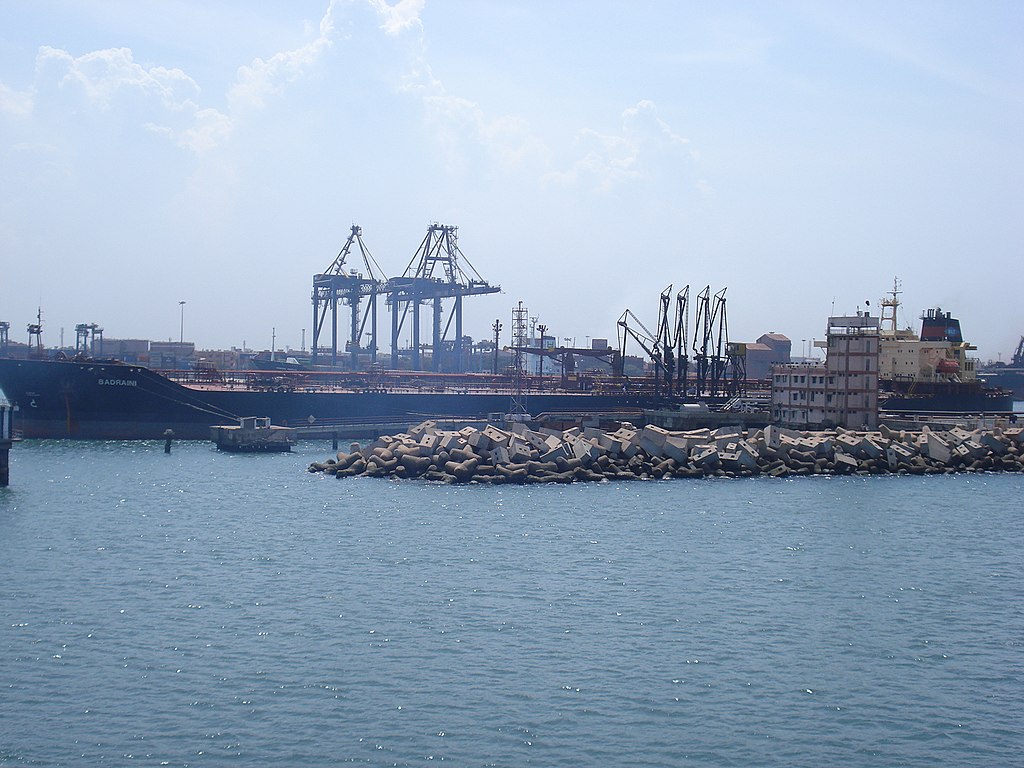
India and the United States are continuing constructive discussions aimed at finalizing a balanced and mutually beneficial trade agreement, according to India’s Ministry of External Affairs. The update comes after a three-day visit to Washington by an Indian trade delegation led by senior commerce official Darpan Jain, highlighting ongoing efforts to strengthen India-US trade relations.
Foreign ministry spokesperson Randhir Jaiswal confirmed that both nations are actively working toward a forward-looking deal that considers each side’s priorities and concerns. A key objective of the negotiations is to achieve a bilateral trade target of $500 billion by 2030, more than doubling the current trade volume of approximately $212 billion recorded in 2024.
While a U.S. official described the discussions as constructive, some gaps remain unresolved. Specific sticking points were not disclosed, but ongoing dialogue signals both countries’ commitment to reaching a comprehensive agreement. Earlier statements from India’s Trade Minister Piyush Goyal indicated that the first phase of a bilateral trade pact is close to completion, with remaining details under discussion, including mechanisms to secure preferential market access for Indian exports in the U.S. market.
Despite progress, no formal agreement emerged from the latest round of talks. Negotiations have been complicated by uncertainties surrounding U.S. tariff policies, including a temporary 10% duty on imports introduced by former President Donald Trump. Additionally, a proposal to reduce U.S. tariffs on Indian goods to around 18% remains under consideration.
India is also closely monitoring potential changes to U.S. Section 301 tariffs expected in June, which could significantly impact trade dynamics and market access across key sectors. Analysts and opposition groups in India have raised concerns about entering a trade deal amid evolving U.S. trade policies.
Both countries are expected to continue negotiations, reflecting a broader strategic push to deepen economic ties and expand bilateral trade opportunities in the coming years.







