


 UN Experts Condemn Trump’s Cuba Fuel Blockade Amid Deepening Energy Crisis
  Pope Leo Calls for Peace as Vatican Seeks Better Ties With U.S.
  Trump Administration Releases New UFO Files and Apollo Mission Records
  US to Withdraw 5,000 Troops from Germany Amid Growing Rift with European Allies
  Trump Expands Cuba Sanctions Targeting Key Sectors and Foreign Entities
  US Launches Retaliatory Strikes on Iran Amid Rising Strait of Hormuz Tensions
  U.S. Budget Airlines Seek $2.5 Billion Government Aid Amid Rising Jet Fuel Costs
  China Banks Halt New Loans to Sanctioned Refineries Amid U.S.-Iran Oil Crackdown
  Australia’s Wealthy Donors Shift Support to One Nation Amid Conservative Party Decline
  Australia Targets Meta, Google, and TikTok With New News Payment Tax Proposal
  US-Iran Ceasefire Under Pressure as Fresh Strait of Hormuz Clashes Shake Oil Markets
  TikTok Nears $400 Million Settlement With Trump Administration Over Child Privacy Lawsuit
  Trump Reportedly Approves Plan to Remove FDA Commissioner Marty Makary Amid Growing Controversies
  Medicare to Cover GLP-1 Weight-Loss and Diabetes Drugs Starting July 1
  Panama Defends Port Takeover Amid U.S.-China Tensions and Canal Dispute
  Trump Administration Dismisses Entire National Science Board, Sparking Debate Over Scientific Independence
  Trump-Xi Beijing Summit to Focus on Trade, Taiwan, and Boeing Deal


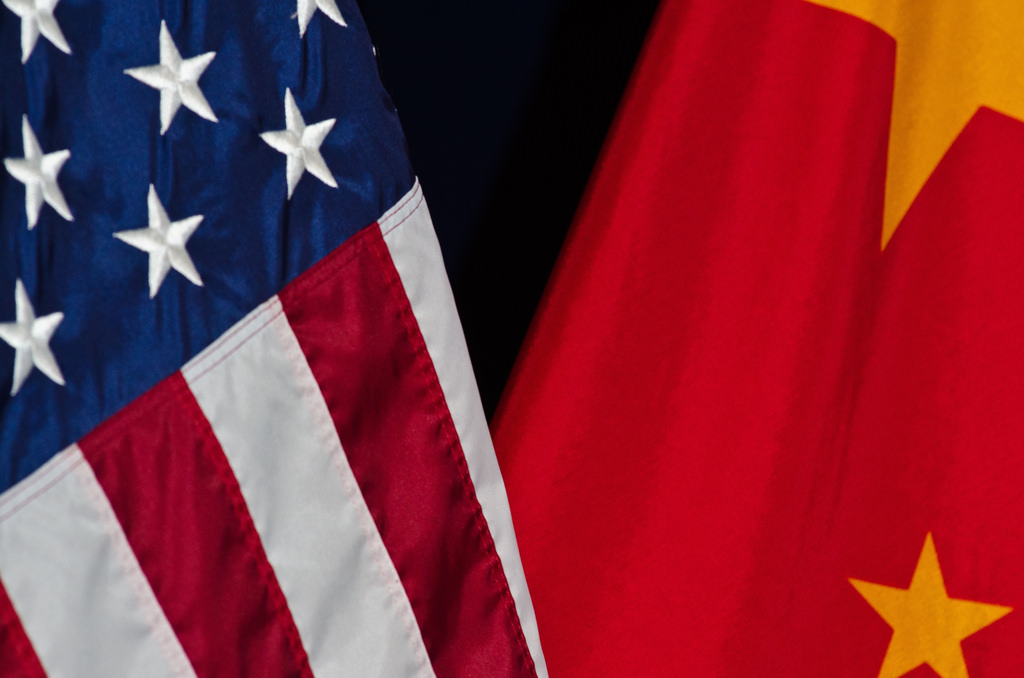
Democrats in the U.S. House of Representatives are raising alarms over the Trump administration’s decision to pause key technology security measures targeting Beijing, arguing the move could weaken U.S. national security and economic stability. In a letter to Commerce Secretary Howard Lutnick, senior lawmakers questioned why several proposed restrictions on Chinese telecom and technology companies were put on hold amid efforts to stabilize U.S.-China relations.
According to the letter, the administration has delayed action on a potential ban of China Telecom’s U.S. operations and proposed restrictions on TP-Link router sales in the United States. Lawmakers also cited reported pauses affecting the U.S. internet businesses of China Unicom and China Mobile. These companies have long faced scrutiny over concerns about data security, cyber espionage risks, and foreign technology threats tied to the Chinese government.
Representative Gregory Meeks, the ranking Democrat on the House Foreign Affairs Committee, and Representative Sydney Kamlager-Dove expressed concern that the administration may be prioritizing diplomatic relations and trade negotiations over critical technology security safeguards. They requested a formal briefing from the Commerce Department detailing any national security assessments conducted before shelving the measures. The lawmakers also sought clarification on reports that the office responsible for reviewing foreign tech threats was redirected to focus on countries other than China.
Additional paused measures reportedly include restrictions on Chinese electric trucks and buses entering the U.S. market, as well as limits on Chinese equipment sales for American data centers. Critics argue these decisions could increase cybersecurity vulnerabilities and expose sensitive infrastructure to potential foreign influence.
The controversy unfolds as President Donald Trump prepares for a high-profile visit to China from March 31 to April 2, where he is expected to meet with President Xi Jinping. The meeting follows an October trade truce aimed at easing tensions between the world’s two largest economies. Lawmakers warn that maintaining strong U.S. technology and national security protections must remain a top priority in any ongoing U.S.-China negotiations.







