


 SoftBank Eyes $20 Billion Bond Sale to Refinance OpenAI Loan
  Pinterest Stock Falls as CFO Julia Brau Donnelly Resigns
  HP Stock Drops 9% Despite Q3 Earnings Beat and Raised 2026 Outlook
  Is Europe developing Ukraine war fatigue?
  Nvidia Revenue Soars 106% as AI Demand Hits ‘Inflection Point’
  Barclays Downgrades Renault as Cost Savings Challenges Grow
  Meta, U.S. States Discuss Settlement in Teen Addiction Trial
  OpenAI Data Center Chief Chris Malone Exits Ahead of Planned 2027 Listing
  Shein Hong Kong IPO to Raise $1.7 Billion at $26.5 Billion Valuation
  SK Hynix Shares Fall as Workers Reject Wage Deal
  Google Expands Gemini Enterprise With AI Tools for Legal Sector
  Itochu Offers $1.56 Billion to Privatize Dentsu Soken
  Trump Buys SpaceX Shares After Record IPO


 Add as a preferred source on Google
Artificial intelligence is starting to increase U.S. consumer prices through rising costs in electronics, software, and electricity, according to a new Goldman Sachs report. The investment bank said AI-related inflation pressures are already visible across several sectors, even before the technology delivers the productivity gains expected to reduce inflation in the long run.
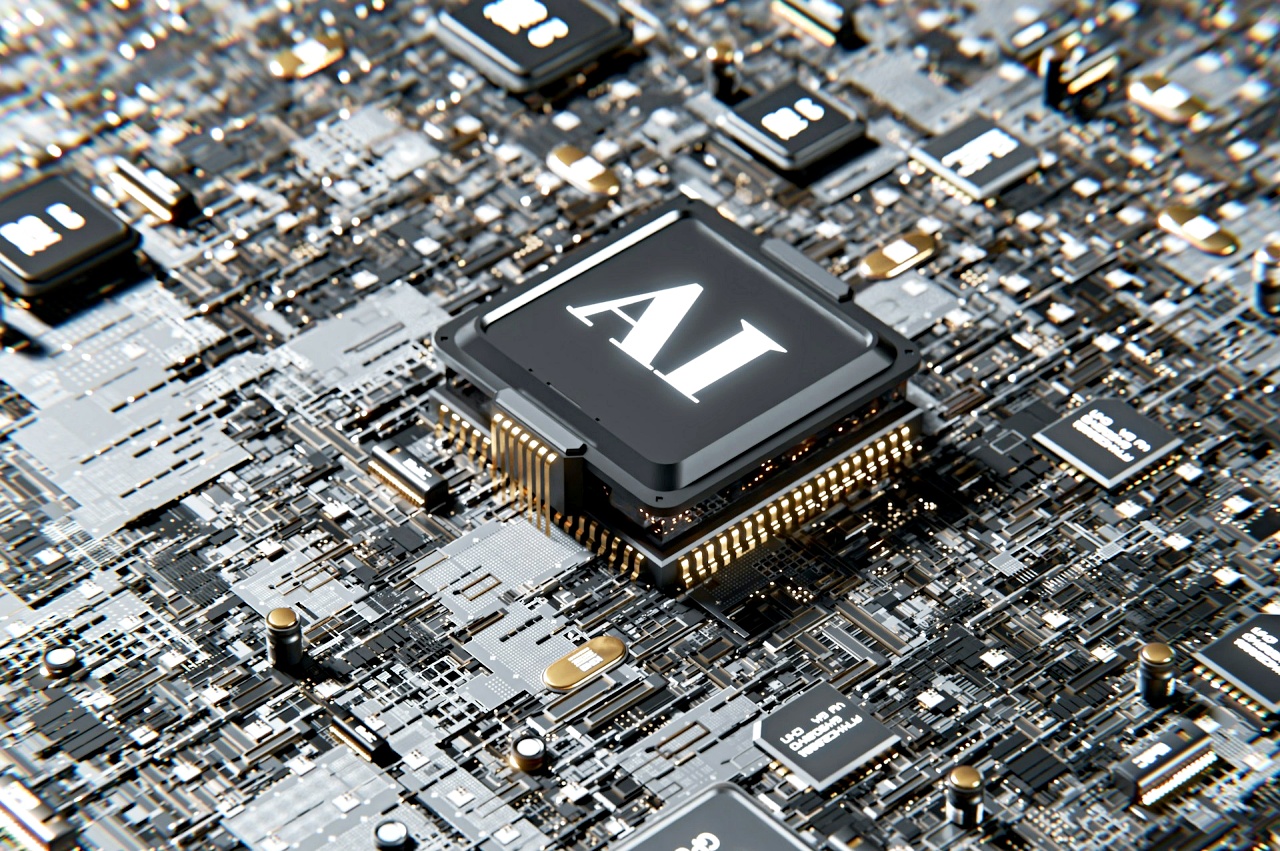
Goldman Sachs analysts identified three major ways AI is contributing to higher inflation in the United States. The first comes from surging demand for AI infrastructure, which has pushed up prices for essential electronic components such as digital memory chips and batteries. These higher production costs are expected to affect consumer electronics, including smartphones, PCs, and computer accessories over the coming months.
The second inflation channel involves software companies increasing subscription prices as they integrate artificial intelligence tools into their platforms. Goldman Sachs pointed to price hikes from major tech firms including Microsoft, Adobe, Duolingo, and Intuit. Many of these companies have introduced AI-powered features and premium services, allowing them to charge higher fees for software subscriptions and productivity tools.
The third factor is the growing electricity demand from AI-focused data centers. As AI adoption expands, data centers require more power to support advanced computing systems, contributing to rising electricity prices in certain U.S. regions. Goldman estimates that higher energy costs linked to AI could add between 0.1 and 0.2 percentage points to headline personal consumption expenditures inflation in the years ahead.
According to the bank, AI-related price increases boosted annual core PCE inflation by roughly 0.3 percentage points over the past year, while core CPI inflation rose by about 0.1 percentage point. Goldman Sachs expects similar inflationary effects over the next year.
Despite these short-term pressures, analysts believe artificial intelligence could eventually lower inflation as productivity improvements spread across industries, helping businesses reduce operating costs and improve efficiency.







