


 Iran Skips U.S. Technical Talks Over Unmet MoU Conditions and Frozen Funds Dispute
  Trump Threatens 100% Tariffs on Countries Imposing Digital Services Taxes on U.S. Tech Firms
  Australia, Vanuatu Sign Security Pact Amid Pacific Influence Competition
  Supreme Court Backs Lisa Cook, Defends Federal Reserve Independence Against Trump Firing Attempt
  Israeli Airstrike Kills Three in Central Gaza Despite Ceasefire
  Australia Plans Higher Fines for Social Media Firms Failing to Block Underage Users
  Russian Attacks on Dnipro, Zaporizhzhia, and Kharkiv Kill 10 as Ukraine Vows Response
  Maria Corina Machado’s Return to Venezuela Faces U.S. Hesitation After Deadly Earthquakes
  Canada Grants C$7 Million to Greenland Molybdenum Mine to Strengthen Critical Minerals Supply
  Russia Intensifies Assault on Kostiantynivka as Ukraine’s Donetsk Defense Faces Mounting Pressure
  Despite its best efforts, Iran won’t be able to toll the Strait of Hormuz. Here’s why
  US, Iran Agree to Halt Attacks Ahead of Doha Talks on Strait of Hormuz
  Ukraine Strikes Russian Titan-Barrikady Plant With Long-Range FP-5 Flamingo Missile
  Taiwan Coast Guard Officer Finds Strength in Faith as China Increases Pressure in Taiwan Strait
  China Expands Export Controls, Adds 20 Japanese Companies to Restricted List
  Sheinbaum Says No One Is Above the Law After Abuse Video of Ex-Pemex Chief Emerges


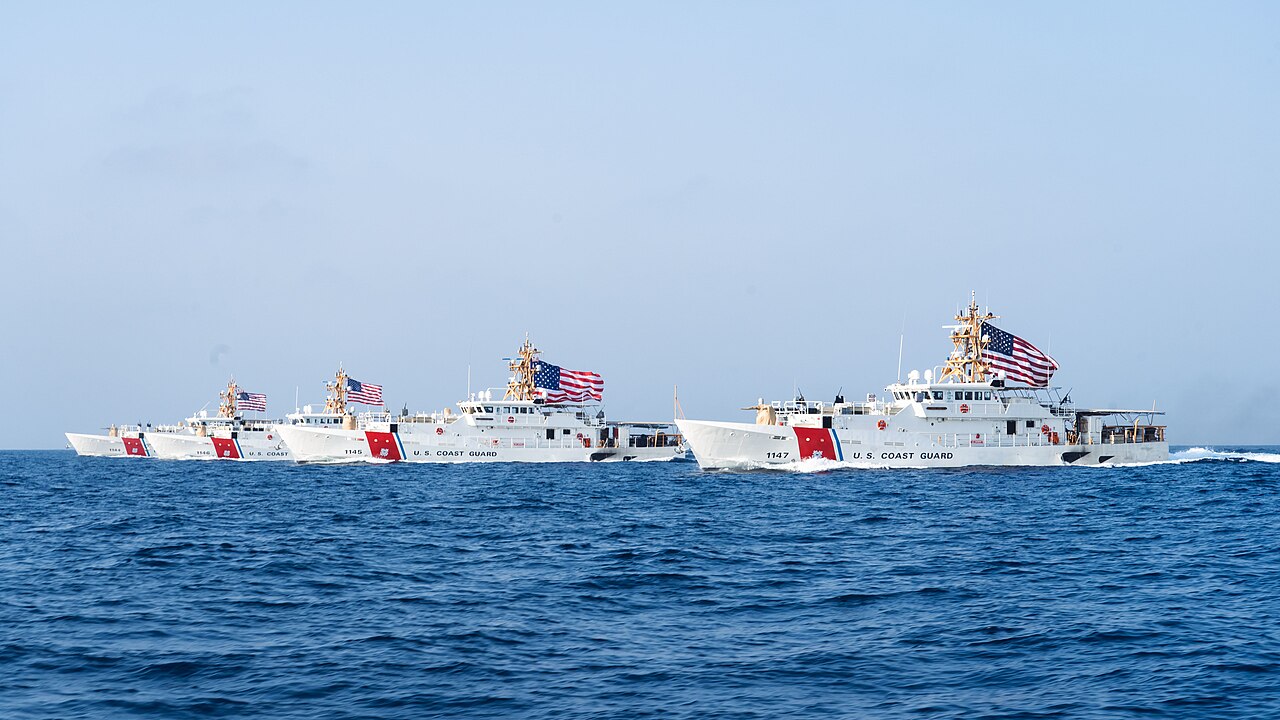
The United States has revised its proposed United Nations Security Council resolution calling on Iran to stop attacks and mining activities in the Strait of Hormuz, but diplomats say the changes are unlikely to prevent vetoes from China and Russia. The dispute highlights growing tensions over Middle East security and freedom of navigation in one of the world’s most critical oil shipping routes.
According to diplomats familiar with the negotiations, the updated draft resolution removed language invoking Chapter VII of the U.N. Charter. That chapter would have allowed the Security Council to authorize measures ranging from economic sanctions to military action. The revised proposal, however, still contains strong criticism of Iran and warns that the council may consider “effective measures,” including sanctions, if Tehran fails to comply.
The draft resolution also reaffirms the right of U.N. member states to defend their vessels from attacks and threats that undermine maritime navigation rights. Although the text does not directly authorize military force, diplomats believe it leaves the possibility open for future action.
The proposal was drafted by the United States and Bahrain after repeated incidents involving attacks on commercial shipping and tensions in the Strait of Hormuz. The strategic waterway is essential for global oil transportation, making regional stability a major international concern.
Russia and China previously vetoed a similar U.S.-backed resolution last month, arguing that the measure was confrontational and risked escalating conflict in the Middle East. Russian officials again criticized what they described as “one-sided” resolutions that could worsen instability in the region.
The diplomatic standoff comes just ahead of U.S. President Donald Trump’s upcoming visit to China, where discussions surrounding Iran and Middle East security are expected to play a significant role. U.S. Secretary of State Marco Rubio recently urged both China and Russia not to block the resolution, calling it a key test of the United Nations’ effectiveness.







