


 Central Banks Eye Gold, Reduce Dollar Exposure as AI Adoption Accelerates: OMFIF Survey
  Asian Currencies Stay Range-Bound as Investors Eye China Data, RBNZ Outlook and U.S.-Iran Ceasefire
  US Stock Futures Rise as US-Iran Ceasefire Hopes Boost Market Sentiment
  Oil Prices Rise as US-Iran Tensions Threaten Strait of Hormuz Oil Shipments
  Javier Milei Cabinet Chief Manuel Adorni Resigns Amid Spending Scandal Investigation
  Taiwan Coast Guard Officer Finds Strength in Faith as China Increases Pressure in Taiwan Strait
  Global Financial Firms Shift Asia Expansion Focus to South Korea as China, India Face Caution
  Trump Urges Gasoline Retailers to Cut Prices to $2.50 Per Gallon, Warns of Legal Action
  Maria Corina Machado’s Return to Venezuela Faces U.S. Hesitation After Deadly Earthquakes
  Gold Price Ends Lower for Fourth Week Despite Rebound as Fed Rate Hike Bets Strengthen
  Oil Prices Slip as U.S.-Iran Peace Talks and Strait of Hormuz Risks Keep Markets on Edge
  Asian Stocks End Strong Quarter as Dollar Surges, Yen Hits 40-Year Low Ahead of US Jobs Data
  Trump Suspends Some Morocco Fertilizer Tariffs to Ease U.S. Supply Shortage
  Gold Prices Drop as Fed Rate Outlook and Iran Tensions Weigh on Market
  China Expands Export Controls, Adds 20 Japanese Companies to Restricted List
  Sheinbaum Says No One Is Above the Law After Abuse Video of Ex-Pemex Chief Emerges
  Despite its best efforts, Iran won’t be able to toll the Strait of Hormuz. Here’s why


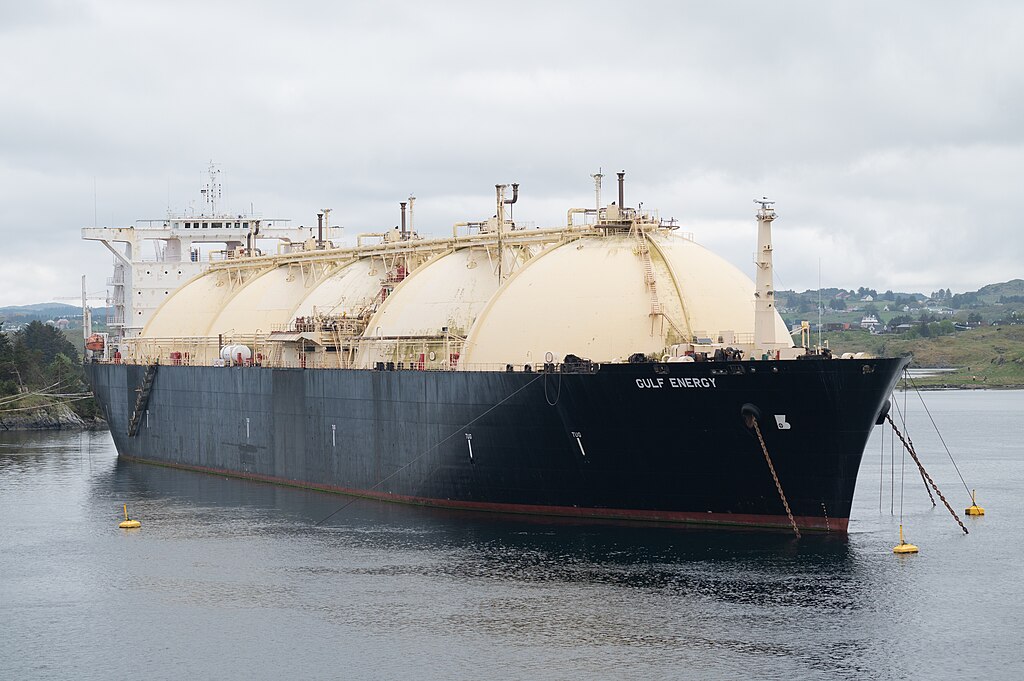
Russia is intensifying efforts to bypass Western energy sanctions after a liquefied natural gas (LNG) tanker operating under a newly adopted Russian flag was spotted loading fuel linked to the sanctioned Arctic LNG 2 project. Ship-tracking data from Kpler, cited by Bloomberg, showed the LNG carrier Merkuriy docking near the Saam floating storage facility close to Murmansk in western Russia.
The Saam storage unit has been blacklisted by the United States and its allies because it handles cargo from Arctic LNG 2, a major Russian energy project targeted by sanctions aimed at reducing Moscow’s oil and gas revenues. The latest movement of the Merkuriy highlights growing concerns that Russia is building a “dark fleet” of LNG tankers designed to continue exports despite international restrictions.
Analysts note that the Merkuriy displays several warning signs commonly associated with shadow fleet operations. The vessel is relatively old for an LNG carrier and recently changed ownership to Celtic Maritime & Trading SA, a little-known company with minimal industry exposure. Before the transfer, the tanker was managed by Oman Ship Management Co.
The Merkuriy is reportedly one of four former Omani LNG vessels that recently switched to Russian registration and headed toward Arctic waters. Industry observers believe these ships could help Russia maintain LNG exports from Arctic LNG 2 despite mounting sanctions pressure from Western governments.
The developments come during a period of severe disruption in global energy markets. The closure of the Strait of Hormuz has tightened energy supplies worldwide, impacting nearly 20% of global natural gas flows. As LNG prices surge, Asian buyers are increasingly seeking alternative energy sources, potentially creating new demand opportunities for Russian LNG exports despite ongoing sanctions.
The expansion of Russia’s shadow LNG fleet may further complicate global enforcement efforts while reshaping international natural gas trade routes in 2026.







