


 Oil Prices Jump Nearly 3% as Iran Holds Firm on Hormuz Conditions
  Yen in Focus as BOJ, Fed Rate Hikes Reshape Currency Markets
  Japan Factory Output Unexpectedly Falls 1.7% in August
  Fed Unveils Stablecoin Rules Under GENIUS Act
  Trump Eyes $54 Billion South Korean Investment in Alaska LNG
  ECB May Stop Rate Hikes After December, Capital Economics Says
  Australia Inflation Accelerates to 4% After RBA Rate Hike
  BOJ Flags Import Costs and Yen Shocks as Persistent Inflation Risks
  RBA Hikes Interest Rate to 4.60% as Inflation Risks Rise
  Gold Plunges 4% as Treasury Yields Surge and Fed Rate Hike Bets Rise
  BlackRock’s Rick Rieder Favors Bonds Over Stocks as Treasury Yields Surge
  RBI Uses $10 Billion Currency Swaps to Drain Excess Rupee Liquidity
  Asian Currencies Weaken as Dollar, Oil Prices Rise
  Gold Rebounds as Oil Falls and Treasury Rout Eases


 Add as a preferred source on Google
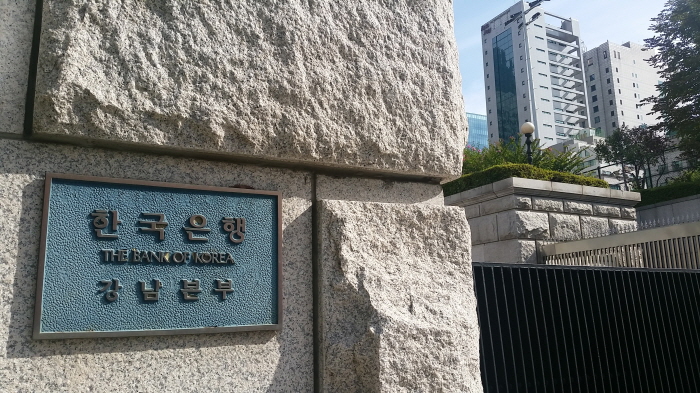
The Bank of Korea (BOK) kept its benchmark interest rate steady at 2.50% on Thursday, maintaining a cautious monetary stance amid growing financial stability concerns and external trade pressures. The central bank’s decision was unanimous among its seven-member monetary policy board and aligned with expectations from all 33 economists surveyed by Reuters.
South Korea, Asia’s fourth-largest economy, has seen household debt and housing prices surge on the back of previously low interest rates. This has prompted tighter mortgage regulations from policymakers to curb risk. Despite the hold, analysts anticipate at least one more 25 basis point rate cut this year, following the 100 basis points of easing that began last October, to support economic recovery.
The Lee Jae Myung administration, which began on June 4, has rolled out its second supplementary budget, including cash handouts, to stimulate consumer spending and offset weak domestic demand. These fiscal measures come as the country faces heightened global trade tensions.
Earlier this week, U.S. President Donald Trump intensified tariff threats against key trading partners, including South Korea and Japan, with new duties set to take effect on August 1. The trade uncertainty adds further strain to an already fragile economic outlook.
Governor Rhee Chang-yong is expected to elaborate on the central bank’s decision and outlook in a press conference scheduled for 0210 GMT, which will be livestreamed on YouTube.
The central bank’s steady hand highlights the balancing act between supporting growth and managing financial risk, as South Korea navigates domestic vulnerabilities and external headwinds.







