


 Trump Eyes $54 Billion South Korean Investment in Alaska LNG
  Asian Stocks Fall as Bond Yields and Oil Prices Surge
  UK Housebuilder Stocks Surge on New First-Time Buyer Loan Scheme
  Yen in Focus as BOJ, Fed Rate Hikes Reshape Currency Markets
  RBA Hikes Interest Rate to 4.60% as Inflation Risks Rise
  BOJ Set to Raise Rates to 1.25% as Inflation Risks Build
  Gold Holds Near Seven-Week Low as Fed Rate Hike Bets Rise
  Fed’s Williams Signals One More Rate Hike Before Year-End
  U.S. Stock Futures Fall as Iran, Oil and AI Risks Rattle Markets
  Fed’s Hammack Says Bond Yield Surge Is Not Driven by Inflation Fears
  China Cuts Tariffs on U.S. Farm Goods but Excludes Soybeans


 Add as a preferred source on Google
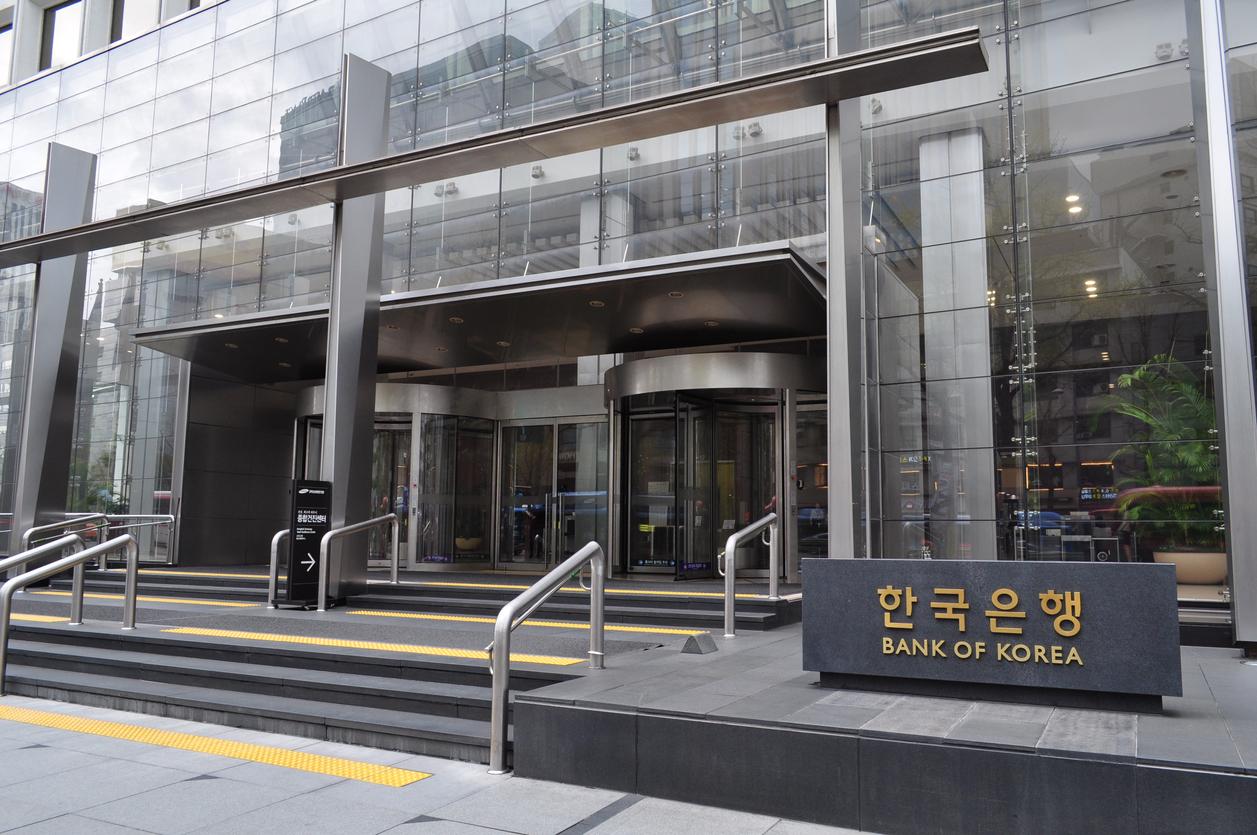
South Korea’s central bank is widely expected to keep its key interest rate unchanged at 2.50% at its upcoming policy meeting, as a weakening Korean won and lingering inflation pressures reduce room for further monetary easing. According to a Reuters poll of economists, expectations for the next rate cut have now shifted to early next year, reflecting growing caution around currency stability and asset prices.
The Korean won has fallen nearly 2% in the first half of the year, raising concerns about imported inflation and higher consumer prices. These risks were already highlighted by the Bank of Korea (BOK) during its November meeting, when policymakers emphasized the importance of exchange rate stability. Although inflation eased slightly to 2.1% in 2025 from 2.3% in 2024, it remains above the central bank’s 2% target, reinforcing the case for a pause in rate cuts.
Adding to this cautious outlook, the BOK has recently adjusted its forward guidance, moving away from a clear easing bias. Instead of committing to maintaining its rate-cut stance, the central bank now says it will decide “whether and when” to implement further reductions, signaling that the current easing cycle may be nearing its end.
All 34 economists surveyed between January 6 and January 12 forecast that the BOK would leave rates unchanged at 2.50% on January 15. Analysts point to foreign exchange volatility and overheating property markets as key constraints. Seoul apartment prices have continued to rise, increasing by 0.18% in early January and posting an annual gain of 8.7% in 2025, complicating the central bank’s policy choices.
The latest survey also shows a notable shift in expectations. While a majority of respondents previously anticipated additional rate cuts, only 22% now expect a reduction in the current quarter, and most see rates remaining unchanged through 2026. Meanwhile, South Korea’s economy is projected to grow around 2.0% this year, with inflation expected to average 1.9%, slightly below the BOK’s own forecast.







