


 Fed’s Williams Signals One More Rate Hike Before Year-End
  Gold Holds Near Seven-Week Low as Fed Rate Hike Bets Rise
  U.S. Stock Futures Steady as AI, Rate Concerns Weigh
  RBI Uses $10 Billion Currency Swaps to Drain Excess Rupee Liquidity
  Yen Sinks as BOJ Rate Hike Fails to Impress Markets
  Fed Unveils Stablecoin Rules Under GENIUS Act
  China, US Extend Trade Truce Through January 10 After Trump-Xi Summit
  Nvidia China Chip Sales Report Sends Chinese Semiconductor Stocks Lower
  BOJ Set for 25-Basis-Point Rate Hike as Yen Weakness Fuels Inflation
  Gold Plunges 4% as Treasury Yields Surge and Fed Rate Hike Bets Rise
  RBA Set for September Rate Hike as Inflation Stays High
  Japan Warns Markets Over Yen Weakness


 Add as a preferred source on Google
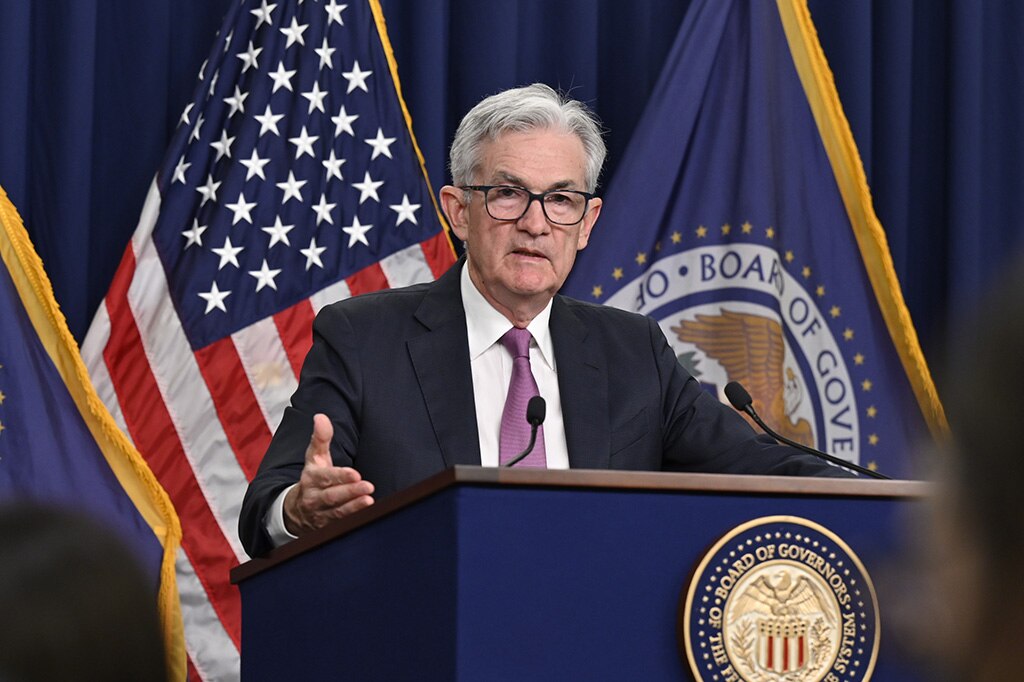
The Federal Reserve has confirmed that its closely watched policy meeting will proceed as scheduled, even as extreme winter weather forced the closure of many government offices across Washington D.C. In an official statement published on its website, the central bank said its rate-setting body, the Federal Open Market Committee (FOMC), will meet on Tuesday and Wednesday and will release all planned statements and economic updates without delay.
The announcement comes as the U.S. capital experienced dangerous levels of snow and sleet, leading to widespread road closures and disruptions. Several federal agencies temporarily shut down operations due to the severe conditions, which are part of a broader winter storm system that has impacted multiple regions across the country in recent weeks. Despite these challenges, the Federal Reserve emphasized its commitment to maintaining continuity in monetary policy decision-making.
The two-day FOMC meeting, which begins Tuesday, is being closely monitored by investors, economists, and market participants seeking clarity on the future path of U.S. interest rates. The Fed is widely expected to keep interest rates unchanged at 3.75% when its decision is announced on Wednesday. Holding rates steady would signal a cautious approach as policymakers continue to assess inflation trends, labor market conditions, and overall economic growth.
Financial markets remain sensitive to any signals from the Federal Reserve, particularly amid ongoing economic uncertainty and global volatility. Updates from the central bank often influence stock markets, bond yields, and the U.S. dollar, making this meeting especially significant. Analysts will also be watching the Fed’s accompanying statement for insights into how policymakers view recent economic data and whether future rate adjustments are likely.
For those tracking developments related to the Federal Reserve, interest rates, and the broader U.S. economy, staying informed is crucial. As winter storms continue to disrupt normal operations in parts of the country, the Fed’s decision to move forward highlights its focus on stability and transparency. Market participants can expect timely communication and policy guidance, regardless of challenging weather conditions affecting the nation’s capital.







