


 Mexico's Electoral Reform Bill Fails in Congress as Coalition Fractures
  Trump Announces New U.S. Oil Refinery in Texas with Indian Energy Giant Reliance
  Ukraine Strikes Russian Missile Component Factory in Bryansk Using British Weapons
  Fed May Tighten Policy if Inflation Stalls Despite Weak Labor Market
  Shots Fired at U.S. Consulate in Toronto in Suspected National Security Incident
  IEA Releases Record 400 Million Barrels of Oil Amid U.S.-Iran War
  Bank of Japan Signals Further Interest Rate Hikes as Inflation Trends Toward 2% Target
  Iran-U.S. Oil Tensions Escalate as Revolutionary Guards Threaten Strait of Hormuz Blockade
  U.S. and Russia Hold Diplomatic Talks in Florida Amid Ongoing Tensions
  Dollar Steadies as Traders Await Clarity on U.S.-Israel-Iran War
  Gold Prices Climb Above $5,200 as Iran War Uncertainty and Inflation Data Loom
  China Holds Loan Prime Rates Steady as PBOC Maintains Cautious Monetary Policy
  U.S. Futures Slide as Oil Prices Surge on Middle East Shipping Attacks
  Central and Southeast Europe Economic Outlook: Hungary, Croatia and Serbia Data in Focus


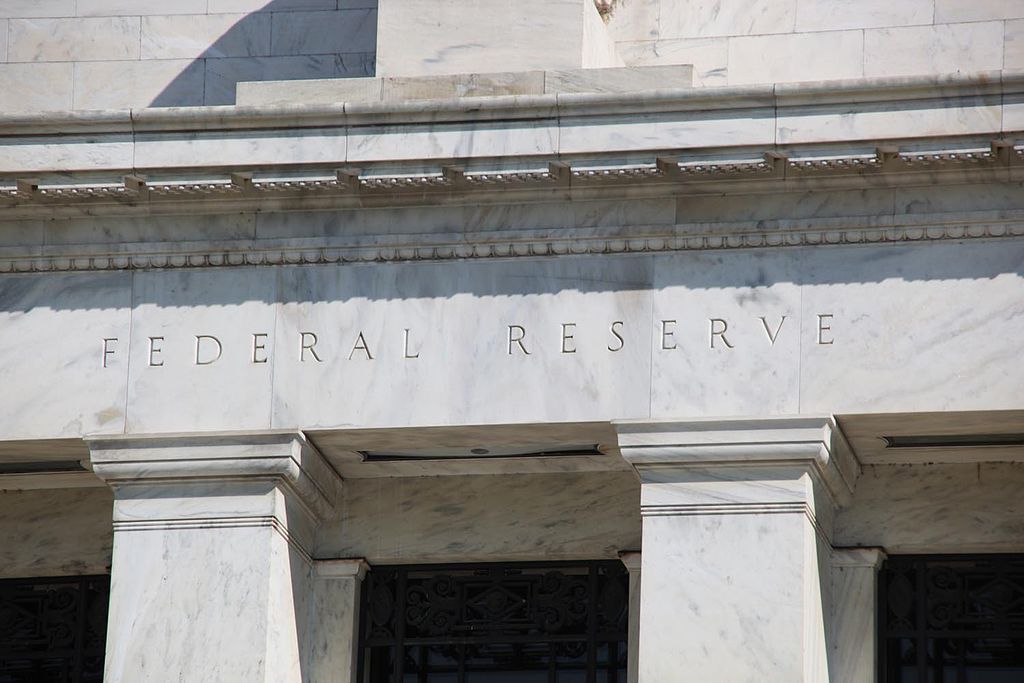
Tensions between the White House and the U.S. Federal Reserve escalated sharply over the weekend after Federal Reserve Chair Jerome Powell revealed that the administration had allegedly threatened him with a criminal indictment tied to the ongoing renovation of the Fed’s headquarters. Powell described the move as a “pretext” designed to increase political pressure on the central bank to cut interest rates, reigniting concerns over Federal Reserve independence and its ability to operate free from political influence.
The comments immediately rattled global financial markets. The U.S. dollar weakened broadly, U.S. stock futures moved lower, and Treasury futures rallied as investors sought safer assets. Market participants are now closely watching the evolving rift, as any perceived erosion of central bank independence could have long-term implications for monetary policy credibility, inflation control, and financial stability.
Analysts remain divided on how serious the threat to the Federal Reserve truly is. Vishnu Varathan, Head of Macro Research for Asia ex-Japan at Mizuho in Singapore, said the issue of Fed independence is now firmly back in focus. He noted that investors may begin reassessing the autonomy of the central bank more frequently, although he stopped short of predicting a full-blown crisis. According to Varathan, markets are not panicking yet because there is still a possibility that former President Donald Trump could appoint a future Fed chair with sufficient credibility to reassure investors and maintain policy continuity.
Andrew Lilley, Chief Rates Strategist at Barrenjoey in Sydney, echoed similar sentiments, arguing that the situation appears more like political pressure than a genuine attempt to remove Powell. He suggested that Trump understands he lacks direct control over the Federal Reserve and is instead using public threats to influence decision-making. While Lilley acknowledged that such actions are negative for market confidence, he believes they are unlikely to materially alter the Federal Open Market Committee’s policy path. In his view, interest rates will continue to reflect the consensus of the FOMC rather than political demands.
Overall, while investor unease has increased, most analysts believe the standoff will have limited immediate impact on U.S. monetary policy, though it adds another layer of uncertainty to an already fragile global economic outlook.













