


 Google Secures Pentagon AI Deal for Classified Projects
  New York Moves to Ban Masked Law Enforcement During Immigration Operations
  U.S. Fast-Tracks $8.6 Billion Arms Sales to Middle East Allies Amid Rising Tensions
  China EV Truck Boom Accelerates as Iran War Drives Diesel Prices Higher
  Russian LNG Shadow Fleet Expands Amid Arctic LNG 2 Sanctions
  Trump Administration Releases New UFO Files and Apollo Mission Records
  Asian Currencies Slip as US Dollar Gains on Rising Iran Tensions and Awaited Jobs Data
  Rubio Approves $25.8 Billion Weapons Sale to Middle East Allies
  Lula and Trump Talks Signal New Phase in Brazil-US Relations
  Australia Launches Public Hearings on Bondi Beach Shooting and Rising Antisemitism
  Dominican Republic Halts GoldQuest Mining Project Amid Environmental Protests
  Trump Announces Russia-Ukraine Ceasefire for May 9-11 Amid Ongoing Peace Talks
  Germany Rejects Putin’s Proposal for Schroeder to Mediate Ukraine Peace Talks
  Israel Expands Gaza Restricted Zones, Raising Concerns for Civilians and Aid Access
  US Revises UN Resolution on Iran Strait of Hormuz Attacks Amid Russia-China Opposition
  U.S. Flags Vietnam as “Priority Foreign Country” Over Intellectual Property Concerns
  Federal and State Authorities Conduct Widespread Fraud Raids Across Minnesota


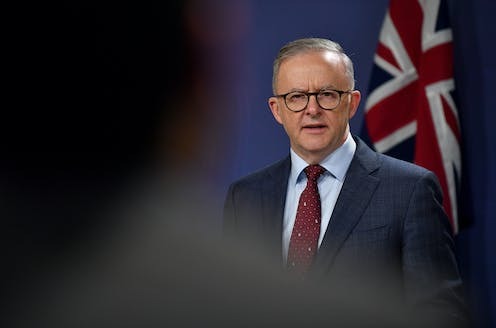
Australia’s Prime Minister Anthony Albanese clarified that the recent decision to ease restrictions on U.S. beef imports was not influenced by U.S. President Donald Trump. The announcement comes as both countries engage in broader trade discussions.
The import curbs, implemented in 2003 over concerns about bovine spongiform encephalopathy (mad cow disease), have been under review for a decade. Albanese stated on Australian Broadcasting Corp television that the decision was “not political” and confirmed Trump never raised the issue during their recent phone call.
Trump previously hailed the policy shift, suggesting the U.S. would export “so much” beef to Australia. U.S. Agriculture Secretary Brooke Rollins also described the move as a win for Trump. The easing could potentially help smooth negotiations on U.S. tariffs targeting Australian steel, aluminium, and pharmaceuticals, which Canberra hopes to reduce.
Australia’s agriculture minister emphasized that the policy change followed a “rigorous science and risk-based assessment” confirming U.S. cattle monitoring measures sufficiently address biosecurity risks. However, the National Party, part of the conservative opposition, warned that “biosecurity should not be political” and called for an independent review.
Despite the policy shift, analysts expect minimal impact on trade volumes. Australia remains one of the world’s largest beef exporters with competitive pricing. In 2023, Australia exported nearly 400,000 metric tons of beef worth $2.9 billion to the United States, while only 269 tons of U.S. beef entered Australia.
The easing of import rules was first reported by the Australian Financial Review and comes amid heightened trade tensions and negotiations between Canberra and Washington.







