


 Maersk Q1 Earnings Beat Expectations as Iran Conflict Clouds Shipping Outlook
  JD Sports Backs Nike CEO Elliott Hill Amid Brand Turnaround Efforts
  Russian LNG Shadow Fleet Expands Amid Arctic LNG 2 Sanctions
  Shell Q1 Profit Surges to Two-Year High as Dividend Rises Despite War-Driven Debt Pressure
  Senate Stablecoin Bill Sparks Clash Between Banks and Crypto Industry
  Trump Invites Top CEOs Including Nvidia, Apple, Boeing to China Summit With Xi Jinping
  Hua Hong Semiconductor Stock Surges to Multi-Year High Amid AI Boom
  TikTok Nears $400 Million Settlement With Trump Administration Over Child Privacy Lawsuit
  Orsted Q1 EBITDA Beats Expectations Despite U.S. Impairments
  US Sanctions Target Iran’s Shadow Banking Network and Terror Financing
  Russia Downs Over 50 Drones Near Moscow Ahead of Victory Day Ceasefire
  US-Iran Ceasefire Under Pressure as Fresh Strait of Hormuz Clashes Shake Oil Markets
  Medicare to Cover GLP-1 Weight-Loss and Diabetes Drugs Starting July 1
  Infineon Raises 2026 Outlook as AI Data Center Chip Demand Surges
  Trump Reportedly Approves Plan to Remove FDA Commissioner Marty Makary Amid Growing Controversies
  Australia Launches Public Hearings on Bondi Beach Shooting and Rising Antisemitism
  Arm Stock Drops Despite Strong AI Chip Demand and Earnings Beat


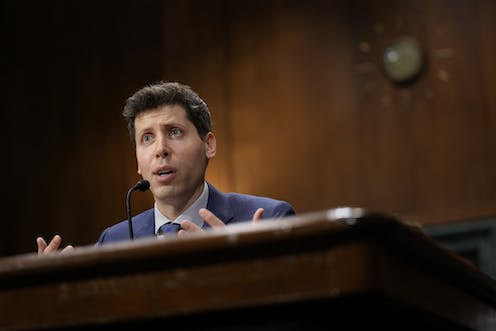
OpenAI CEO Sam Altman has voiced strong concerns over U.S. Immigration and Customs Enforcement (ICE) actions, telling employees that the agency is “going too far” amid an aggressive immigration crackdown in Minneapolis. His internal message, shared on Slack and later reported by The New York Times’ DealBook, positions Altman among a growing list of corporate executives speaking out against heavy-handed immigration enforcement under President Donald Trump’s second term.
Altman emphasized the importance of distinguishing between deporting violent criminals and the broader enforcement actions currently unfolding. He reaffirmed his support for American democratic values, stating that part of loving the United States is pushing back against government overreach. His remarks come during a period of heightened tension following the fatal shooting of a protester by federal agents in Minneapolis over the weekend, marking the second such incident this month and intensifying public backlash against ICE.
The Minneapolis enforcement effort, known as “Operation Metro Surge,” began in December and has drawn criticism for its impact on the city, a liberal Midwestern hub with a strong corporate presence. Until recently, many major Minnesota-based companies remained silent. However, following the latest shooting, executives from firms such as 3M, UnitedHealth Group, and General Mills have publicly called for de-escalation and calmer approaches to immigration enforcement.
Corporate pressure has also increased nationwide. More than 60 CEOs have signed a statement urging restraint, while over 450 employees from companies including Google, Meta, Salesforce, and OpenAI signed a letter demanding that ICE withdraw from U.S. cities, cancel federal contracts, and address alleged violence linked to enforcement actions. This employee-led activism highlights growing internal resistance within the tech and corporate sectors.
Altman’s comments also intersect with tensions at Khosla Ventures, an early OpenAI backer, where leadership distanced itself from controversial remarks made by partner Keith Rabois regarding law enforcement and undocumented immigrants. Despite the political sensitivity, Altman expressed hope that President Trump would work to unite the country, rebuild trust, and support transparent investigations. His stance underscores a broader shift as business leaders increasingly engage in national immigration and human rights debates.







