


 US and Iran Near Nuclear Deal as Ceasefire Extension Awaits Trump Approval
  Netanyahu Gaza Expansion Plan Sparks Hamas Condemnation and International Concern
  Trump to Launch America 250 Celebration Amid Concert Cancellations
  US Launches New Trade Investigation Into Vietnam Over Intellectual Property Concerns
  Trump Signs Executive Order to Expand Access to Federal Lands in the U.S.
  Netanyahu Orders Expansion of Israeli Control in Gaza to 70%
  US to Accelerate Troop Withdrawal from Europe, NATO Allies to Review Plans Next Month
  US Condemns Russia’s Oreshnik Missile Strike, Warns Against New Attacks on Kyiv
  U.S. Lawmakers Back Ukraine’s Request for More Patriot Missiles Amid Rising Russian Attacks
  Poland Considers Revoking Zelensky’s Top Honor Over Controversial UPA Army Unit Recognition
  Trump Nears Decision on Iran Ceasefire Extension as Key Disputes Remain
  DOJ Investigates Group Linked to Reid Hoffman Over E. Jean Carroll Lawsuit Funding
  Brazil Struggles to Stop Illegal Amazon Gold Mining as Gold Prices Surge
  US Plans Faster Military Drawdown in Europe, NATO Allies Face Greater Defense Role
  China Expands Nuclear Defense Network in Remote Desert
  Russia Prepares New Large-Scale Attack on Ukraine, Zelenskiy Warns
  U.S. Sanctions Iran’s Strait of Hormuz Authority as Global Oil Markets Face Turmoil


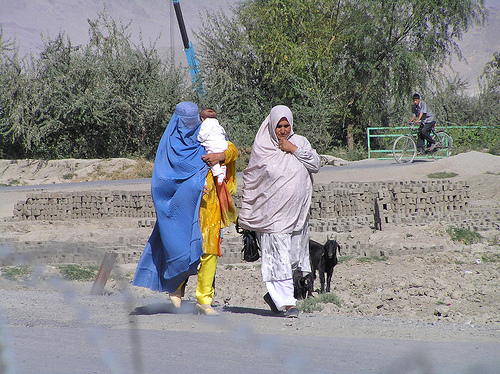
The United Nations deputy Secretary-General said that there was some progress following the talks between a UN delegation and Taliban officials in Afghanistan regarding women’s rights. However, the UN envoy noted that there is still work to be done.
Speaking with Al Jazeera on Saturday, UN deputy chief Amina Mohammed said the UN delegation’s meeting with the Taliban earlier in the week led to some progress, but there is still work to be done. Mohammed cited the exemptions the Taliban made when it came to female humanitarian workers, with the insurgent group allowing female aid workers in the healthcare sector to return to work as three NGOs resumed operations.
“There has been some progress. Some exemptions have been made to the edicts that have covered the health sector,” said Mohammed. “I think that’s because the international community, and particularly the partners that are funding this were able to show the implications and the impact of woman-to-woman services, particularly childbirth.”
Mohammed noted that this progress only marked the start of the remaining work to be done as the high-level talks followed the widespread criticism of the Taliban for its orders last month to bar female NGO workers from returning to work and barring female university and high school students from attending classes.
Mohammed led a UN delegation that met with Taliban cabinet members, including the acting foreign minister, deputy prime minister, and minister of refugees and returnees. The delegation also met with the governor of Kandahar province and the Shura leadership council responsible for making many key decisions.
“I was always very clear that I am going there as an opportunity to air the voices of Afghan women. We heard from young women who said, ‘We do not need your voice, what we need is you amplify yours,’” Mohammed told the news outlet.
Several member countries of the UN Security Council have previously urged the insurgent group to reverse its policy on the bans on female students and aid workers, calling on the Taliban to end its manner of treatment of women with its increasingly restrictive policies. The 15-member panel met in a closed-door meeting earlier this month at the request of the United Arab Emirates and Japan to discuss the recent policies by the Taliban.
11 members of the council have called on the Taliban to uphold the rights of women and girls as well as reverse the bans on women from attending universities and taking part in humanitarian work.







