


 Australia Plans Higher Fines for Social Media Firms Failing to Block Underage Users
  Iran Skips U.S. Technical Talks Over Unmet MoU Conditions and Frozen Funds Dispute
  Trump Suspends Some Morocco Fertilizer Tariffs to Ease U.S. Supply Shortage
  Despite its best efforts, Iran won’t be able to toll the Strait of Hormuz. Here’s why
  Russia Intensifies Assault on Kostiantynivka as Ukraine’s Donetsk Defense Faces Mounting Pressure
  Andy Burnham Sets Out Vision to Decentralize Britain as Labour Leadership Race Begins
  Trump Announces September Overhaul of Washington’s East Potomac Golf Links
  Serbia President Aleksandar Vucic to Resign, Calls Early Elections After Months of Protests
  Maria Corina Machado’s Return to Venezuela Faces U.S. Hesitation After Deadly Earthquakes
  China Expands Export Controls, Adds 20 Japanese Companies to Restricted List
  Russian Attacks Kill Four in Ukraine as Zaporizhzhia and Kharkiv Come Under Fire
  Trump Urges Gasoline Retailers to Cut Prices to $2.50 Per Gallon, Warns of Legal Action
  US, Iran Agree to Halt Attacks Ahead of Doha Talks on Strait of Hormuz
  Trump Signs Memorandum Backing Americans’ Right to Repair Their Own Vehicles
  Javier Milei Cabinet Chief Manuel Adorni Resigns Amid Spending Scandal Investigation


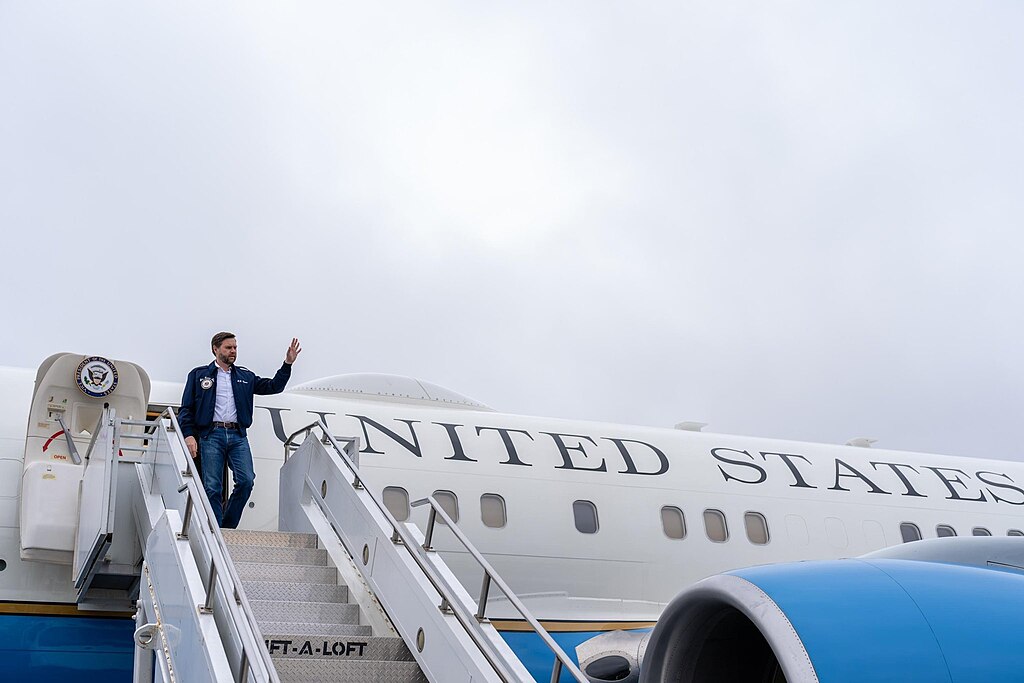
U.S. Vice President JD Vance said Thursday that the United States and Iran are making significant progress toward a potential agreement, although several important issues remain unresolved. Speaking to reporters, Vance noted that negotiations have not yet reached the final stage, but both sides appear to be moving closer to a deal that could ease tensions and address concerns surrounding Iran’s nuclear program.
According to Vance, discussions continue over key topics, including Iran’s stockpile of enriched uranium and the future of uranium enrichment activities. These issues remain among the most sensitive aspects of the ongoing negotiations. Despite the remaining challenges, the vice president expressed cautious optimism about the prospects for a successful outcome.
“We’re not there yet,” Vance said, emphasizing that negotiators are still working through specific language and policy details. He added that the United States and Iran are exchanging proposals and attempting to resolve a small number of sticking points before any formal agreement can be finalized.
Sources familiar with the matter told Reuters that the United States and Iran reached a preliminary understanding on Thursday to extend their existing ceasefire and remove restrictions on shipping through the strategically important Strait of Hormuz. The arrangement, however, remains subject to approval by U.S. President Donald Trump before it can take effect.
The Strait of Hormuz is one of the world’s most critical energy transit routes, making any agreement related to maritime security and shipping highly significant for global oil markets and international trade. The potential lifting of restrictions could help reduce geopolitical uncertainty and improve stability in the region.
Vance also highlighted Washington’s leverage in the negotiations, stating that the United States remains capable of significantly setting back Tehran’s nuclear program if necessary. Nevertheless, the administration continues to prioritize diplomatic efforts aimed at reaching a mutually acceptable solution.
While uncertainty remains over whether President Trump will ultimately sign the proposed memorandum of understanding, Vance indicated that current discussions are moving in a positive direction. “I can’t guarantee that we’re going to get there, but right now I feel pretty good about it,” he said, underscoring growing optimism surrounding the U.S.-Iran nuclear talks.







