


 BCA Research Warns Iran and Ukraine Ceasefires May Offer Limited Relief for Global Markets
  US Plans Faster Military Drawdown in Europe, NATO Allies Face Greater Defense Role
  US Southern Command Chief Holds Rare Military Meeting With Cuban Officials at Guantanamo Bay
  US Condemns Russia’s Oreshnik Missile Strike, Warns Against New Attacks on Kyiv
  Brazil Struggles to Stop Illegal Amazon Gold Mining as Gold Prices Surge
  US and Iran Near Nuclear Deal as Ceasefire Extension Awaits Trump Approval
  US Imposes Fresh Iran Oil Sanctions Despite Progress on Ceasefire Talks
  Trump Adviser’s Investment in Thrive Capital Draws Scrutiny Over Federal Contracts
  U.S. Sanctions Iran’s Strait of Hormuz Authority as Global Oil Markets Face Turmoil
  Kentucky School District Secures $27 Million in Social Media Addiction Lawsuit Settlements
  Trump Nears Decision on Iran Ceasefire Extension as Key Disputes Remain
  Russia Prepares New Large-Scale Attack on Ukraine, Zelenskiy Warns
  Netanyahu Gaza Expansion Plan Sparks Hamas Condemnation and International Concern
  U.S. Lawmakers Back Ukraine’s Request for More Patriot Missiles Amid Rising Russian Attacks
  Iran-U.S. Nuclear Talks Remain Unresolved as Strait of Hormuz Risks Keep Markets on Edge
  US Launches New Trade Investigation Into Vietnam Over Intellectual Property Concerns


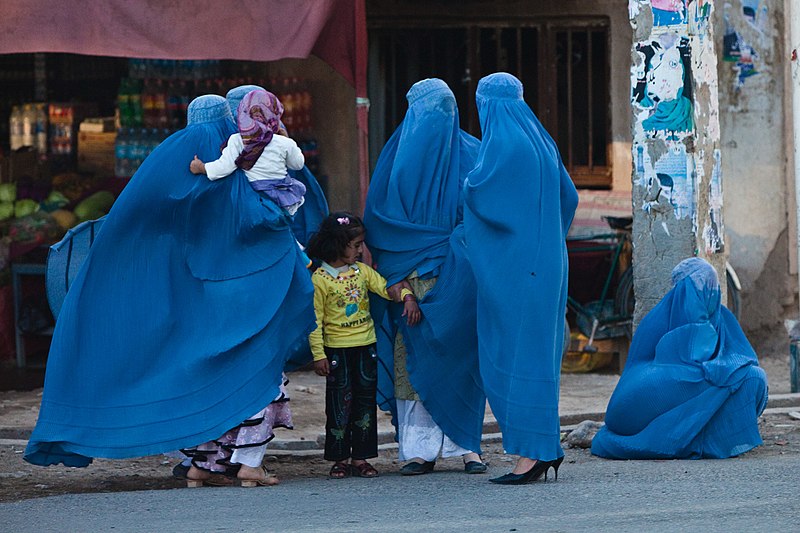
In another sign of restrictive policies against women in Afghanistan, the Taliban has ordered non-government organizations in the country to bar its female employees from returning. This follows the group’s order to suspend women from entering or attending universities.
On Saturday, Afghan economy minister Abdulrahman Habib confirmed the letter that ordered both local and foreign non-government organizations to bar their female employees from returning to work. Habib said the barring was until further notice because some organizations did not comply with the insurgent group’s administration’s interpretation of the Islamic dress code on women.
The order said that any NGO that does not comply would have its operating license revoked.
The latest policy comes days after the insurgent group ordered universities in Afghanistan to bar female students from attending, leading to strong condemnation from the international community, whose recognition is sought by the Taliban. It remains to be seen whether the latest order would also affect United Nations-backed agencies that maintain a large presence in Afghanistan.
Habib clarified that the order applies to organizations under the country’s coordinating body for humanitarian organizations, which covers over 180 local and international NGOs, not the UN-backed ones. However, the UN agencies coordinate with the NGOs registered in Afghanistan in order to carry out humanitarian work.
“Participation of women in humanitarian action is a fundamental principle which cannot be breached,” UN deputy special envoy for Afghanistan and humanitarian coordinator Ramiz Alakbarov told Al Jazeera.
“It is a principle of operational independence of humanitarian action. So obviously, comprehensive humanitarian aid and assistance to population cannot be delivered in situation that operating principles are violated.”
Thursday last week, US Secretary of State Antony Blinken warned that Washington would impose costs on the Taliban for barring women from entering universities. Blinken stressed that the Taliban will not be able to improve relations with the rest of the world if it continues to impose restrictions on women and deny them their fundamental rights.
Several other predominantly Muslim countries also called on the insurgent group to reverse the decree. Turkish foreign minister Mevlut Cavosoglu said the ban was “neither Islamic nor humane,” questioning whether there is an “Islamic explanation” for barring women from education.







