


 US and Iran Near Nuclear Deal as Ceasefire Extension Awaits Trump Approval
  US Southern Command Chief Holds Rare Military Meeting With Cuban Officials at Guantanamo Bay
  DOJ Opens Criminal Investigation Into E. Jean Carroll Over Alleged Perjury
  US-Iran Ceasefire Extension Near as Strait of Hormuz Shipping Deal Advances
  Judge Dismisses Trump Administration Lawsuit Against Boston Sanctuary City Policy
  Russia Prepares New Large-Scale Attack on Ukraine, Zelenskiy Warns
  Trump to Launch America 250 Celebration Amid Concert Cancellations
  China Expands Nuclear Defense Network in Remote Desert
  Kentucky School District Secures $27 Million in Social Media Addiction Lawsuit Settlements
  Brazil Struggles to Stop Illegal Amazon Gold Mining as Gold Prices Surge
  Netanyahu Orders Expansion of Israeli Control in Gaza to 70%
  US Launches New Trade Investigation Into Vietnam Over Intellectual Property Concerns
  US Designates Brazil’s PCC and Comando Vermelho as Global Terrorist Entities Ahead of FTO Listing
  US Plans Faster Military Drawdown in Europe, NATO Allies Face Greater Defense Role
  US Imposes Fresh Iran Oil Sanctions Despite Progress on Ceasefire Talks
  US to Accelerate Troop Withdrawal from Europe, NATO Allies to Review Plans Next Month


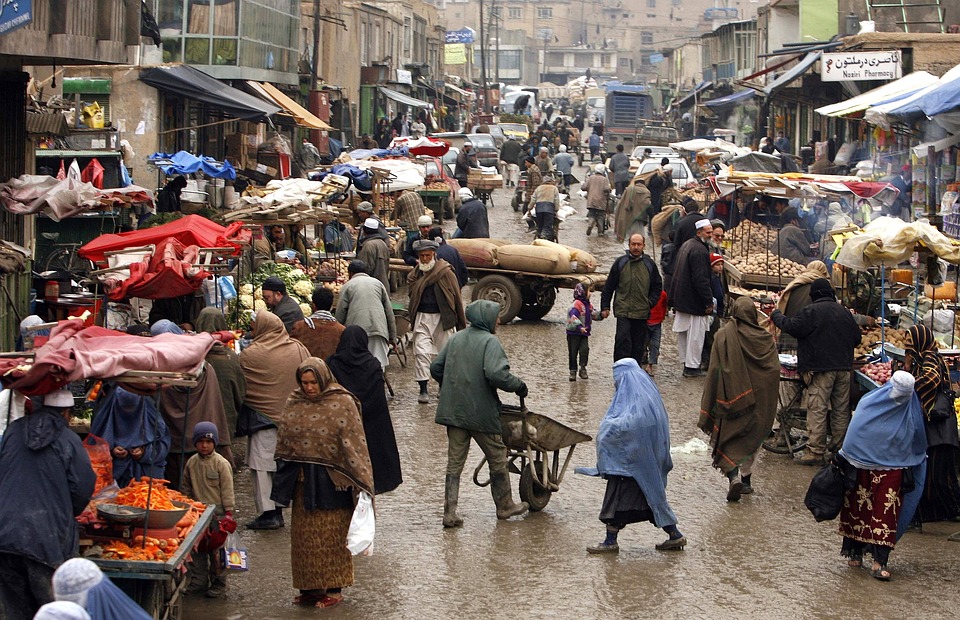
Among the restrictive policies the Taliban administration has imposed in Afghanistan was banning female aid workers, resulting in backlash from the international community. Some donors have raised concerns following some of the aid provided by the United Nations delivered by men only.
The United Nations has delivered some aid to Afghans in need by men, prompting concerns among donors and humanitarian groups that the move may be seen as giving in to the Taliban’s restrictions. UN aid chief Martin Griffiths acknowledged this week that women are not involved in some food aid operations which were described by the World Food Programme as “operational adjustments” for the group to continue its work. However, Griffiths said it was inadequate.
“There are still activities ongoing where men only, for example, delivering good, but it can’t work,” Griffiths told reporters on Monday after visiting Afghanistan last week. Griffiths also stressed that Afghan women need to work in food distribution to ensure that supplies reach the most vulnerable.
Any potential changes in the United Nations’ approach to food aid have raised concerns among donors and humanitarian groups. The United States has expressed concern that some UN agencies may be considering an all-male aid delivery model, according to deputy US ambassador to the UN Lisa Carty during a briefing with Griffiths and UN member countries.
“This could effectively cut off access to aid to women in need,” said Carty. “It could signal international agencies’ acquiescence to the Taliban’s unacceptable conditions thus normalizing the suppression with repercussions for humanitarian settings elsewhere.”
In an operational note on Wednesday, the International Rescue Committee said that female participation was an “operational necessity” and that “without female staff at all levels and across all sectors, we cannot accurately assess needs and deliver aid and programs at the necessary scale.”
In another restriction against women, last week, the Taliban ordered universities to ban female students from sitting in to take the entrance exams that are set to take place by the end of February. The order was in a letter from the Taliban-run ministry of higher education and sent to institutions in northern Afghanistan including the capital Kabul. This follows the insurgent group’s ban on female students entering universities back in December.







