


 Strait of Hormuz Shipping Near Standstill After New Vessel Attacks
  US Pressures Netanyahu to Condemn West Bank Settler Violence
  DNC Makes South Carolina First in 2028 Democratic Primaries
  Israeli Troops Enter Qusra Homes as Settler Siege Intensifies
  Trump Orders Reduction in U.S.-South Korea Military Drills, Citing Kim Jong Un Ties
  Trump Approval Rating Hits Presidency Low as Iran War Concerns Grow
  Trump Imposes New Tariffs on Drone Imports Over US Security Concerns
  Lula Targets Brazil’s Gig Workers as Reelection Battle Takes Shape
  Gaza Zoo Struggles to Save Animals Amid War
  Trump Says Iran Should Surrender as Nuclear Deal Talks Stall
  Gérald Darmanin Backs Édouard Philippe for 2027 French Presidential Election
  US CENTCOM Chief Praises USS Abraham Lincoln Crew Amid Mental Health Concerns
  US Eyes Refinery Boost as Trump Seeks Relief From High Gas Prices
  US Presses Netanyahu to Condemn West Bank Settler Siege
  Philippines Confident in U.S. Defense Commitment Despite Middle East Redeployment
  Migrants in Spain’s Ceuta Protest for Asylum, Refuse Return to Morocco
  Haftar Helps Broker Release of American Hostage Held by ISIS Affiliate


 Add as a preferred source on Google
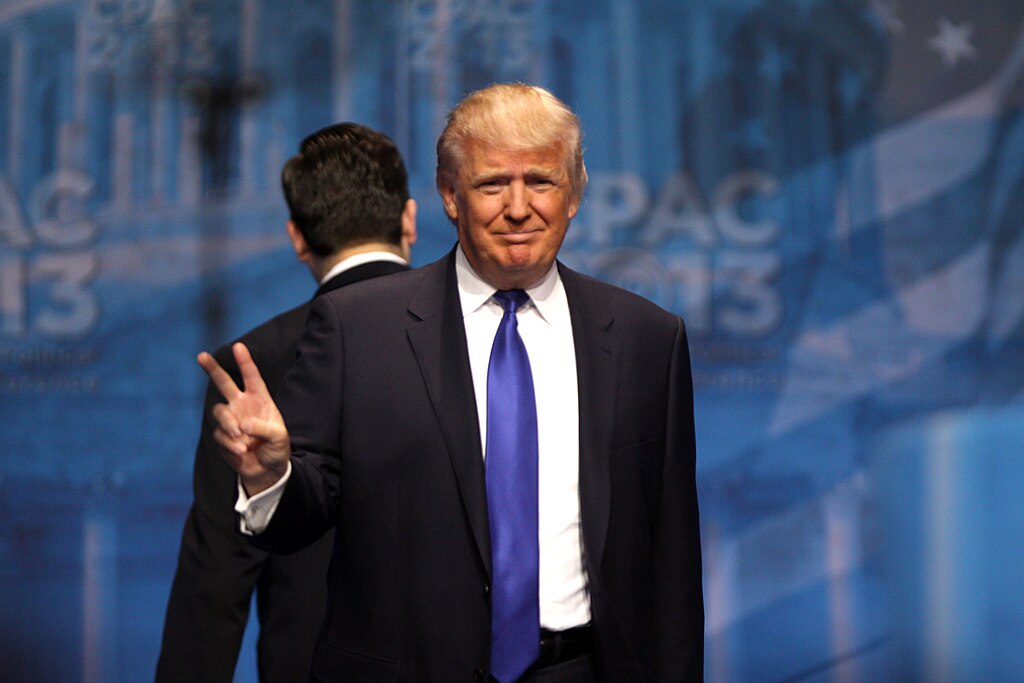
President-elect Donald Trump has revealed an ambitious strategy to combat online misinformation in 2025, marking one of the first initiatives of his second term. The plan, which aims to regulate the flow of digital information on major platforms, has drawn both applause and skepticism, igniting debates over freedom of speech and the role of technology giants in shaping public discourse.
Trump’s proposal includes establishing a Federal Digital Integrity Task Force, which will work in tandem with private companies like Meta and X (formerly Twitter) to identify and address false narratives. While Trump emphasized the need for accurate information to protect democracy, critics argue the plan could pave the way for government overreach into personal freedoms.
“America deserves truth, not lies,” Trump said during a speech in Washington, D.C., outlining his vision for a digitally transparent society. However, critics warn that the initiative may dangerously blur the lines between regulation and censorship.
Key Components of Trump’s Misinformation Policy
The cornerstone of Trump’s policy is the creation of a National Digital Verification System (NDVS), which aims to fact-check viral claims within minutes using artificial intelligence. This system will require social media companies to collaborate with the government and independent watchdogs to label or remove false information.
Additionally, Trump’s administration plans to impose fines on platforms that fail to address flagged misinformation swiftly. The initiative also includes educational campaigns targeting media literacy, particularly among young people, with an emphasis on teaching critical thinking skills.
Yet, the plan has sparked a wave of controversy. Civil liberties advocates argue that penalizing platforms for hosting misinformation could lead to over-correction, silencing legitimate dissent. Small businesses and independent creators worry that stricter content moderation could disproportionately impact their ability to operate online.
Public Reaction: Praise, Criticism, and Outrage
As the news spread, reactions on social media highlighted the polarized sentiment surrounding Trump’s proposal:
- @FreeSpeechDefender: “Trump’s plan is terrifying. Who decides what’s true? This is just the government trying to control us!”
- @TruthMatters123: “Finally, a bold move to tackle the misinformation epidemic. It’s about time someone held Big Tech accountable.”
- @DigitalLibertyNow: “This will kill online innovation. Small creators can’t afford to comply with Trump’s draconian rules!”
- @AIwatchdog: “AI fact-checking is unreliable. We need humans, not algorithms, deciding what’s true or false.”
- @ParentsForTruth: “If this stops lies about vaccines, I’m all for it. Misinformation is destroying our health system.”
- @ElectionObserver: “Censorship disguised as regulation. Trump’s government wants to control what we read and think!”
The Challenges Ahead
Trump’s ambitious plan raises significant questions about implementation and oversight. While supporters argue the initiative is a necessary step in curbing misinformation’s harmful effects, critics warn that unchecked power in the hands of the federal government could lead to abuse. Moreover, ensuring AI systems are fair, unbiased, and transparent presents a complex challenge.
The plan also risks deepening political polarization, with Democrats accusing Trump of attempting to suppress opposition voices. To gain bipartisan support, Trump’s administration will need to address concerns about fairness and overreach.







