


 Lula Leads Flavio Bolsonaro 48%-45% in Datafolha Poll
  Flydubai Co-Pilot Tried to Crash Israel-Bound Jet, Netanyahu Says
  California Leads Lawsuit Over Trump’s $810 Million Funding Cuts
  Ukraine Deploys FP-7 Ballistic Missile in Combat for First Time
  US Appeals Court Keeps Trump IRS Case Sanctions in Place
  Iran Plans Stronger Response if US Attacks Resume
  Tsai Ing-wen to Visit US for Stanford Security Conference
  US Waives Egypt Military Aid Conditions Over Iran War Role
  Marco Rubio to Visit Iceland, Greece and Portugal
  Brazil Presidential Debate Canceled as Lula, Bolsonaro Skip Event
  Trump Says He Raised Political Prisoners With Xi
  Trump Praises Boeing 737 Max After Flydubai Crash Attempt
  Russia Warns NATO of Nuclear Response Over Kaliningrad
  South Korea Warns Ukraine Over North Korean POW Dispute
  Netanyahu Says Israel May Join Flydubai Crash Attempt Probe
  US Alcohol Ban Exposes Canada’s Internal Trade Barriers


 Add as a preferred source on Google
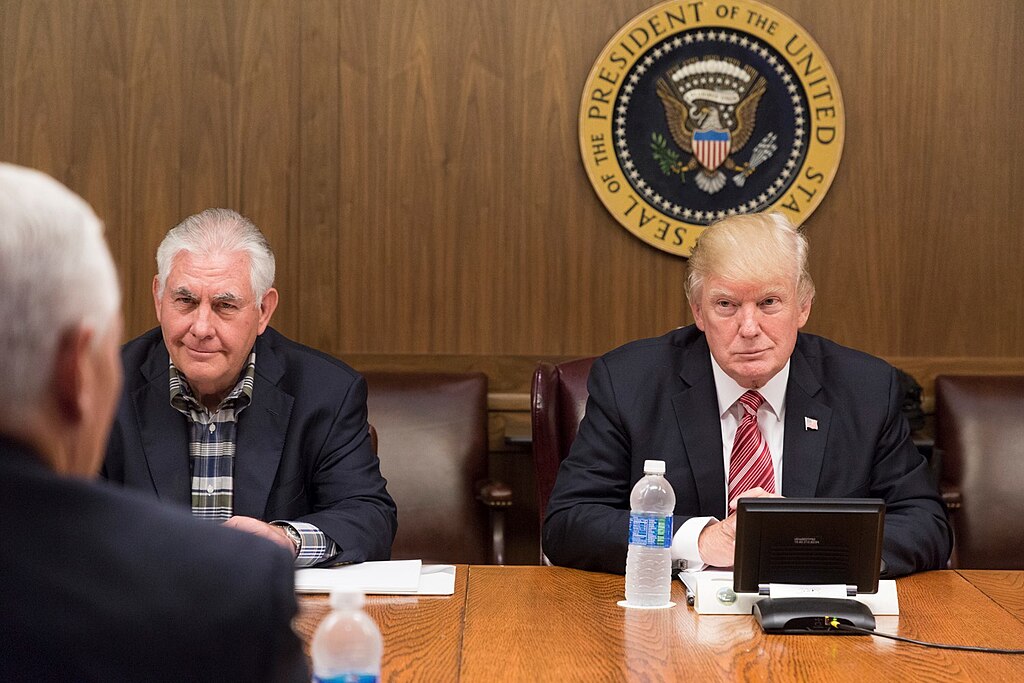
President-elect Donald Trump has unveiled a sweeping proposal aimed at enhancing safety standards in amusement parks across the United States. With an increasing number of high-profile incidents at theme parks in recent years, Trump’s administration is pledging to implement stricter federal oversight while encouraging private sector innovation. This move, they claim, will balance public safety with the operational freedom of amusement park operators.
Central to Trump’s plan is the establishment of a national safety task force under the Department of Homeland Security. The task force will work alongside the Consumer Product Safety Commission (CPSC) to address gaps in current regulations, particularly in states with less stringent oversight. Federal inspections of large theme parks will also be mandated biannually, focusing on ride maintenance and emergency response procedures.
“We want every family to enjoy their time at amusement parks without worrying about safety risks,” a spokesperson for Trump’s transition team said. “By creating a framework for accountability and innovation, we are ensuring public safety without stifling creativity.”
Striking a Balance Between Safety and Business Freedom
Trump’s plan has received mixed reactions from amusement park operators. While some applaud the federal government’s commitment to public safety, others worry that increased regulation could stifle the industry. Small amusement park owners, in particular, argue that new compliance costs could threaten their financial viability.
To address these concerns, the Trump administration plans to launch a grant program to assist smaller parks in meeting federal standards. The program will focus on funding ride maintenance, employee safety training, and emergency preparedness. Trump also aims to partner with tech companies to develop real-time monitoring systems, utilizing AI and IoT (Internet of Things) technologies to detect potential ride malfunctions.
Critics, however, remain skeptical of the plan. Advocates for deregulation argue that safety issues are best addressed by state governments and park operators. Others caution that federal oversight could slow down ride innovation, impacting the visitor experience.
Public Reaction: Praise, Skepticism, and Concerns
The announcement has sparked a lively debate on social media, with netizens weighing in on the controversial safety measures:
- @ThemeParkDad: “About time someone addressed amusement park safety! We need stricter regulations to prevent tragedies.”
- @LibertyAdvocate: “More federal control? No thanks. This is just another excuse to overregulate small businesses.”
- @SafetyFirst123: “AI monitoring sounds great, but will small parks afford it? We need equity, not just innovation.”
- @RollerCoasterFan: “I’m all for safety, but don’t ruin the thrill with over-the-top inspections!”
- @ParksForAll: “Grants for small parks are a great idea. Trump might actually have something here.”
- @ConcernedParent: “As a mom, I’m relieved to see this. Safety should come first, always.”
Future Challenges and Opportunities
Trump’s amusement park safety initiative reflects his broader approach to balancing public safety with economic growth. However, experts warn that enforcing nationwide standards could prove challenging, given the diverse range of amusement parks and state regulations.
To succeed, the administration will need to collaborate closely with park operators, state governments, and safety advocates. Transparency and effective communication will also be key to gaining public trust.







