


 Trump to Ease U.S. Fuel-Economy Standards
  North Korea Tests Drone-Missile Swarm Attack Tactics
  China Says U.S. Shares Responsibility for AI Governance
  Saudi Arabia, Turkey and Pakistan Plan Urgent Defence Talks Over Houthi Attacks
  South Africa Seeks US Talks Despite Visa Restrictions
  UK PM Burnham Signals Social Care Tax Changes, Questions Heathrow Expansion
  Ukrainian Drone Attacks Hit Russian Regions, Injuring at Least 12
  Iran Awaits U.S. Response on Hormuz Ceasefire Proposal
  Iran Says Diplomacy Only Path to End U.S.-Israel Conflict
  Iran Holds Firm on Hormuz Reopening Terms Despite Trump Rejection
  EU Agrees €6.6 Billion Military Aid Funding for Ukraine
  Pope Leo Backs Press Freedom After White House Media Ban
  Putin Says Ukraine Peace Proposals Remain on Table
  Pope Leo Warns UN, Multilateral Groups Face Crisis
  What ‘Taiwan Independence’ Means as Xi Presses Trump on US Policy
  China Agrees to Buy 20 Million Tons of U.S. Coal


 Add as a preferred source on Google
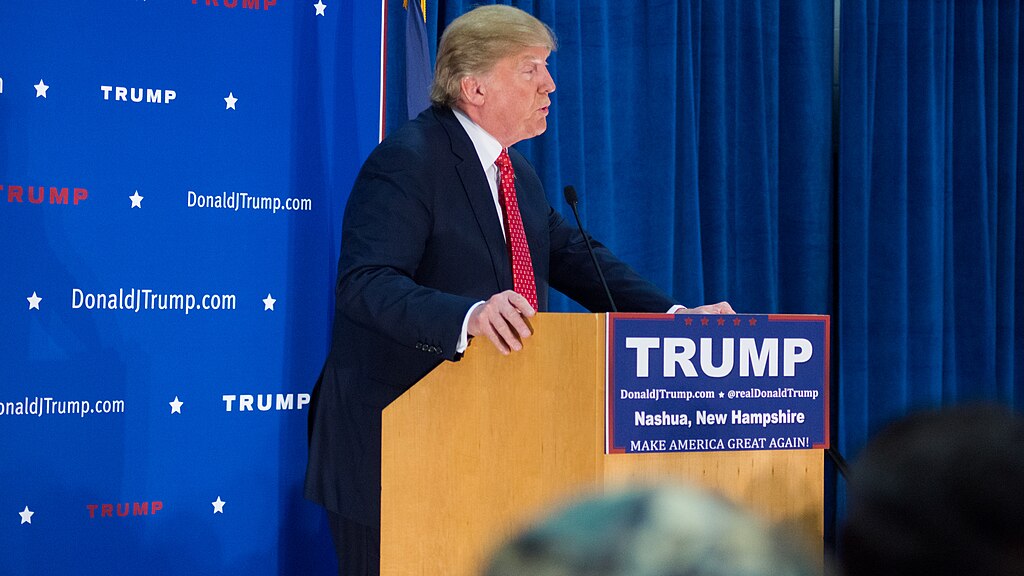
President-elect Donald Trump has unveiled a strategic plan aimed at accelerating electric vehicle (EV) adoption across the United States in 2025. The ambitious initiative, part of his broader energy and economic agenda, seeks to balance job creation, innovation, and energy independence. Despite his past skepticism toward EVs, Trump now seems intent on positioning America as a leader in the rapidly evolving automotive industry.
The plan includes incentives for domestic EV manufacturers, infrastructure development, and workforce retraining programs. Trump has also vowed to address supply chain issues, particularly concerning rare earth minerals essential for EV batteries. However, the proposal has drawn both praise and criticism, with some questioning whether the administration can meet its ambitious targets.
Key Focus Areas: Jobs and Infrastructure
At the heart of Trump’s EV agenda lies a commitment to revitalizing American manufacturing. The president-elect has pledged substantial tax credits for automakers producing EVs domestically. He also plans to roll out a $50 billion investment package for expanding EV charging infrastructure, ensuring that rural and urban areas alike benefit from accessible charging stations.
Moreover, Trump’s workforce retraining programs aim to equip traditional auto industry workers with skills needed for EV manufacturing. "We’re ensuring American workers are prepared for the EV revolution," said a transition team spokesperson.
To address concerns about the availability of raw materials, Trump plans to strengthen partnerships with countries rich in lithium and cobalt reserves. Simultaneously, his administration is expected to ramp up domestic mining operations, a move likely to spark environmental debates.
Mixed Reactions to the Plan
Trump’s sudden pivot toward supporting EVs has stirred a wave of reactions online, with social media users offering a range of perspectives:
- @EVAdvocate2025: “It’s about time! America can’t afford to fall behind in the EV race. Good move by Trump!”
- @GreenEarthNow: “How can Trump promote EVs while ignoring environmental safeguards? This is all about profits, not sustainability.”
- @MidwestWorker23: “If it brings jobs to Detroit and Ohio, I’m all for it. Let’s rebuild American manufacturing!”
- @TechieOnWheels: “Charging stations are great, but what about the grid? We need renewable energy to power this revolution!”
- @EcoCritic: “This is just a way for big corporations to get richer. Trump’s plan lacks real environmental responsibility.”
- @PatriotAutoFan: “EVs and energy independence? Finally, a plan that puts America first without relying on foreign oil!”
The mixed reactions underscore the polarizing nature of Trump’s shift on EV policy, particularly given his administration’s previous rollback of emissions regulations.
Challenges Ahead for Trump’s Vision
While the plan has drawn praise for its focus on infrastructure and job creation, experts caution that implementation will be key. Significant hurdles include ensuring sufficient grid capacity to support widespread EV adoption and navigating the environmental impacts of increased mining activity.
Critics also question the feasibility of retraining large numbers of workers within a short timeframe. Additionally, Trump’s reliance on partnerships with foreign mineral suppliers could face geopolitical roadblocks, complicating efforts to secure a stable supply chain.







