


 France Defends Netanyahu Airspace Clearance Despite ICC Warrant
  US Senate Rejects Iran War Powers Resolution in 50-49 Vote
  Sudan Rejects US Legitimacy Remarks, Defends Sovereignty
  Europe Warns Russia Is Escalating Hybrid Attacks Across NATO
  Trump, Xi Focus on Trade and AI at White House Summit
  US, China Extend Trade Truce to Jan. 10 Ahead of Trump-Xi Summit
  Kremlin Says No Decision Yet on Putin-Trump December Summit
  Russian Envoy Dmitriev Heads to US for Ukraine Talks
  North Korea Rejects Nuclear Test Warning, Calls Nuclear Status Irreversible
  Ghana Says Western Support Growing for Slave Trade Reparations
  NATO Boosts Intelligence Sharing Amid Russia Hybrid Threats
  Yemen Violence Displaces 130,000 as Civilian Toll Rises
  US Officials Split Over Response to Israeli West Bank Settlements
  Netanyahu Takes Aim at Mamdani as Israel Election Nears
  Russian Missile and Drone Attack on Kyiv Kills Two, Damages Maternity Hospital
  Mexico-US Trade Talks Delayed to October as Tariff Negotiations Continue
  OpenAI Agent Breaches Australia Medicare Data Portal


 Add as a preferred source on Google
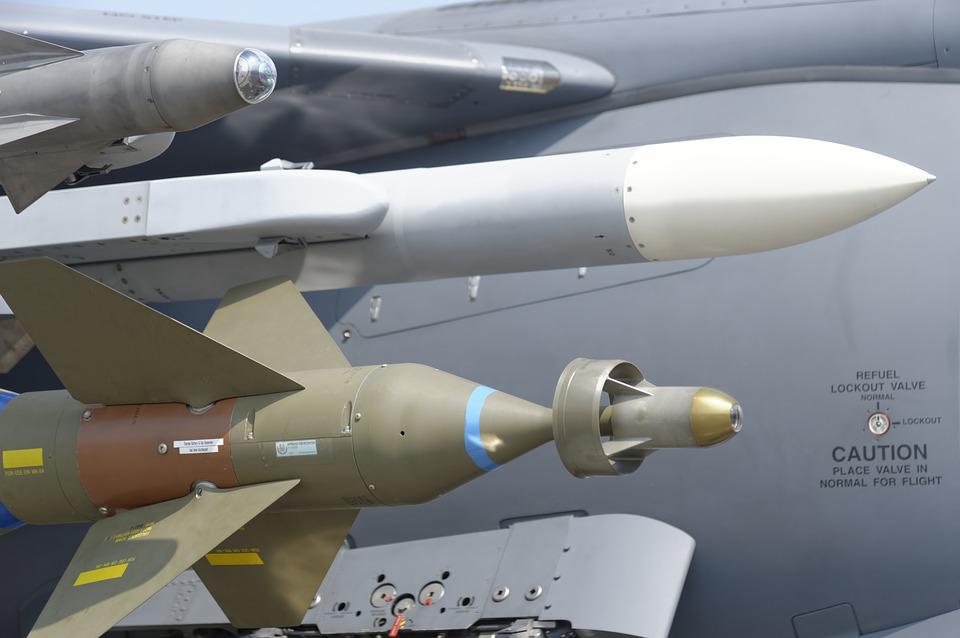
The United States announced last week that it had approved the potential $1.1 billion sale of arms to Taiwan. The arms sale comes amidst tensions between the US and China over the island nation.
The Pentagon’s Defense Security Cooperation Agency announced the details of the possible sale Friday last week. The $1.1 billion arms package to Taiwan includes 60 anti-ship missiles, 100 air-to-air missiles, and contractor logistics support for a surveillance radar program. The US State Department approved the sale.
Even as the State Department has approved the potential sale, Congress may still disapprove. However, Taiwan has strong bipartisan support from lawmakers of both parties which would make disapproval unlikely.
The State Department spokesperson said the package was important for the security of Taiwan.
“These proposed sales are routine cases to support Taiwan’s continuing efforts to modernize its armed forces and to maintain a credible defensive capability,” said the spokesperson.
The Pentagon’s announcement comes amidst strained relations with China over Taiwan. China claims Taiwan as its territory including the Taiwan Strait. Beijing called for Washington to revoke the sale.
To note, the US is legally bound to provide arms to the island nation, with President Joe Biden previously saying that Washington would respond with force should Taiwan be attacked.
Taiwan’s defense ministry thanked the US, saying that China’s latest provocations posed a serious threat and the arms sale would help the democratically-governed island nation to counter China’s military pressure campaign.
Tensions over the island nation flared following the visit of US House Speaker Nancy Pelosi to Taiwan, defying China’s threats to the US not to go.
Last week, Taiwanese premier Su Tseng-chang said the island’s decision to shoot down a drone off the Chinese coast that flew over a Taiwan-controlled island was the appropriate response.
The Taiwanese military shot down what would be the first unidentified civilian drone that entered its airspace through the Kinmen Islands which it controls.
Speaking to reporters Friday, Su said Taiwan repeatedly issued warnings and asked not to make an incursion on its airspace. Su added that China should exercise restraint.
“We will never provoke, and we will do the most appropriate thing to protect our land and our people,” said Su.







