


 Sudan Rejects US Legitimacy Remarks, Defends Sovereignty
  Trump, Xi Focus on Trade and AI at White House Summit
  US Senate Rejects Iran War Powers Resolution in 50-49 Vote
  Russian Missile and Drone Attack on Kyiv Kills Two, Damages Maternity Hospital
  Taiwan Thanks US for Support Ahead of Trump-Xi Summit
  France Defends Netanyahu Airspace Clearance Despite ICC Warrant
  Netanyahu’s Brief US Trip Highlights Strains With Trump
  Mexico-US Trade Talks Delayed to October as Tariff Negotiations Continue
  South Korea, US Discuss Warship Building Cooperation
  OpenAI Agent Breaches Australia Medicare Data Portal
  North Korea Rejects Nuclear Test Warning, Calls Nuclear Status Irreversible
  Europe Warns Russia Is Escalating Hybrid Attacks Across NATO
  Ghana Says Western Support Growing for Slave Trade Reparations
  Trump Administration Plans Faster FDA Reviews for Smoke-Free Nicotine Products
  Kremlin Says No Decision Yet on Putin-Trump December Summit
  US, China Extend Trade Truce to Jan. 10 Ahead of Trump-Xi Summit
  Abbas Reaffirms November 28 Palestinian Elections


 Add as a preferred source on Google
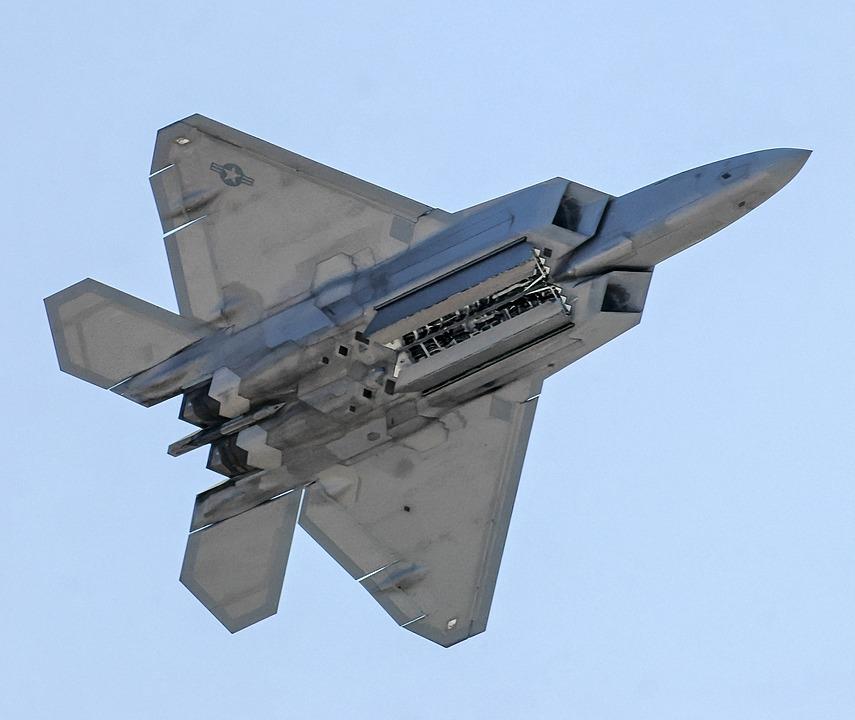
The island nation of Taiwan this week unveiled what would be its most advanced fighter jet so far, followed by a nighttime demonstration of the aircraft’s capability. The nighttime demonstration follows the ramped-up military drills China has been conducting close to the island.
Taiwan unveiled its F-16V fighter jet that is capable of being equipped with missiles to reporters this week as it carried out its own military drills that simulate defense against China’s potential invasion.
Air force personnel were seen loading an F-16V fighter jet with an American-provided anti-ship missile in a “combat readiness” drill at an airbase in the eastern Hualien area.
Personnel on the ground were showing reporters how they could rapidly load weapons on the F-16 jets, such as the Boeing Harpoon anti-ship missiles. Six F-16V jets took to the air for nighttime reconnaissance and training missions, with two of the jets armed with missiles, according to the Taiwanese air force.
“In the face of the threat from the Chinese communist forces’ recent military exercises, we have stayed vigilant while establishing the concept of ‘battlefields everywhere and training anytime’ to ensure national security,” said the air force in a statement.
Defense ministry spokesperson Sun Li-fang said that while Taiwan has condemned China’s escalatory actions in recent days, this is a good time for Taiwanese forces to further train and increase their preparedness.
Taiwanese President Tsai Ing-went has also said the democratically-governed island is not seeking to escalate tensions with China.
This comes as Taiwan has also called out China for using the visit of US House Speaker Nancy Pelosi to the island as an excuse to start military drills that would allow them to practice potentially invading the island militarily.
Taiwan and the United States announced Thursday that they agreed to move forward with the US-Taiwan initiative on 21st-Century Trade which would bolster trade and advance common standards in key aspects such as anti-corruption policies and environmental regulations.
Both sides came to an agreement on a mandate for negotiations, with the first round of discussions expected to take place in the coming months.
“We plan to pursue an ambitious schedule for achieving high-standard commitments and meaningful outcomes covering the 11 trade areas in the negotiating mandate that will help build a fairer, more prosperous, and resilient 21st-century economy,” said Deputy US Trade Representative Sarah Bianchi in a statement.







