


 Takaichi Pledges to Control Japan Bond Issuance
  Trump Plans Diesel Tax Relief as Fuel Prices Hit Record Highs
  US DOT Ends Airline Privacy Review Without Enforcement
  US Caribbean Vessel Strike Kills Four
  Fairshake Backs 32 Pro-Crypto House Candidates
  New York Declares Measles Disaster Emergency as Cases Surge
  Trump Orders Firing Squad Execution for Fort Hood Gunman
  California Woman Arrested Over Alleged Spying on Taiwan President’s Son
  Ukraine Faces $56 Billion Budget Gap as War Costs Soar
  OPEC+ Keeps November Oil Output Targets Steady
  Russian Bombs Kill Six, Injure Nearly 60 in Kharkiv
  Flavio Bolsonaro, Lula Head to Brazil Presidential Runoff
  Trump Envoy Meets Sudan Army Chief in Egypt
  Ethiopia-Tigray Fighting Intensifies as Airstrikes Kill 17
  OpenAI, Anthropic Back Mandatory AI Breach Reporting in Australia
  Mexico Seeks US Evidence After Border Gunfire Claim
  Flavio Bolsonaro Surges as Family Scores Brazil Election Comeback


 Add as a preferred source on Google
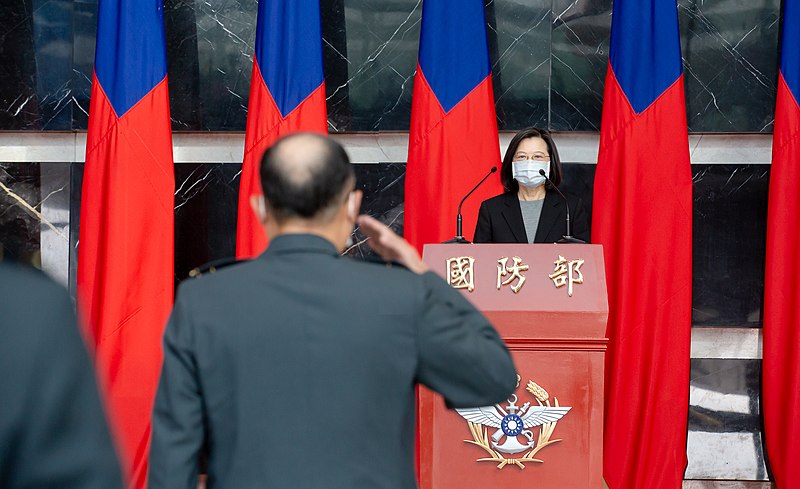
The Pentagon announced this week that Washington has approved the potential sale of anti-tank mine systems to Taiwan worth $180 million. The new potential sale comes amidst increased tensions in the region between the democratically-governed island and China.
The Pentagon said on Wednesday that the State Department has approved the possible sale of Volcano anti-tank mine-laying systems to Taiwan worth $180 million. The Volcano mine-laying system makes use of prepacked mine canisters that contain multiple anti-tank mines that are dispersed when ejected from the canister. Northrop Grumman and Oshkosh Corporation are the main contractors of the potential sale.
The potential sale follows the recent increased diplomatic, political, and military pressure China has sought to assert on Taiwan, which Beijing views as its territory. Tensions between the two flared earlier this year following the visit by US House Speaker Nancy Pelosi to Taiwan despite China’s threats and opposition.
Beijing deployed its largest fleet of aircraft across the median line on the Taiwan Strait, which it also claims to be its territory but also serves as the de facto maritime border between China and the island nation. On Tuesday, Taipei announced that the mandatory military service would be extended from four months to one year.
The Taiwanese defense ministry said that the sale of the Volcano anti-tank mine systems would take effect in a month, and the system will help boost Taiwan’s “asymmetric warfare” capability to make its forces more agile.
“The Chinese Communist Party’s frequent military activities near Taiwan have posted severe military threats to us,” said the ministry in a statement. The United States is Taiwan’s largest supplier of arms.
Taiwanese President Tsai Ing-wen announced the extension of military service in Taiwan on Tuesday. In remarks after a national security meeting, Tsai said the island nation wants peace but needed to be able to defend itself.
“As long as Taiwan is strong enough, it will be the home of democracy and freedom all over the world, and it will not become a battlefield,” Tsai told a news conference following the announcement of the military service extension that she described as a decision that was “incredibly difficult.”







