


 Saudi Arabia, Turkey and Pakistan Plan Urgent Defence Talks Over Houthi Attacks
  Sudan Rejects US Legitimacy Remarks, Defends Sovereignty
  NATO Boosts Intelligence Sharing Amid Russia Hybrid Threats
  South Korea, US Discuss Warship Building Cooperation
  US Senate Rejects Iran War Powers Resolution in 50-49 Vote
  Najib Razak Seeks Stay of 15-Year 1MDB Prison Sentence
  Abbas Reaffirms November 28 Palestinian Elections
  Mexico-US Trade Talks Delayed to October as Tariff Negotiations Continue
  North Korea Warns South Korea Over US-Led Defense Role
  Russian Missile and Drone Attack on Kyiv Kills Two, Damages Maternity Hospital
  Taiwan Thanks US for Support Ahead of Trump-Xi Summit
  Yemen Violence Displaces 130,000 as Civilian Toll Rises
  Ghana Says Western Support Growing for Slave Trade Reparations
  Trump Asks Supreme Court to Restore Third-Country Deportations
  Netanyahu Defends Israel at UN as Delegates Stage Walkout
  Netanyahu’s Brief US Trip Highlights Strains With Trump
  France Defends Netanyahu Airspace Clearance Despite ICC Warrant


 Add as a preferred source on Google
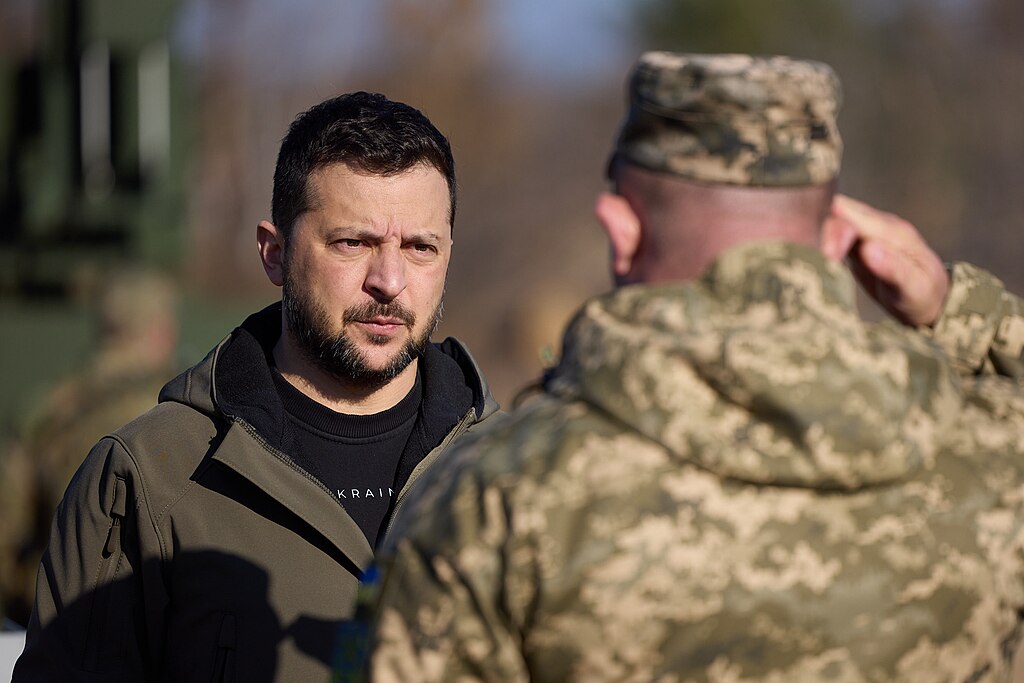
European leaders, including Ukrainian President Volodymyr Zelenskiy, are gathering in The Hague to launch a new International Claims Commission aimed at compensating Ukraine for hundreds of billions of dollars in damage caused by Russia’s invasion. The one-day conference is co-hosted by the Netherlands and the Council of Europe and brings together dozens of senior officials, including EU foreign policy chief Kaja Kallas, highlighting growing European efforts to ensure accountability and reparations for Ukraine.
The initiative comes as U.S.-backed diplomatic efforts to end the war continue, more than three years after Russia’s full-scale invasion of Ukraine in February 2022. While Russian officials have consistently denied allegations of war crimes, European governments are moving forward with mechanisms to address claims related to civilian harm, destruction of infrastructure, and violations of international law.
A key challenge facing the commission is the possibility that a future peace deal could include some form of amnesty for wartime atrocities, an idea previously floated by the administration of U.S. President Donald Trump. Such a provision could complicate Europe’s plans to compensate victims of abuses, including sexual violence, child deportations, and damage to religious and cultural sites.
The commission will build on the existing Register of Damage for Ukraine, established by the Council of Europe in 2023, which has already received more than 80,000 claims from individuals, organizations, and public authorities. Over 50 countries and the European Union have drafted a convention to formally establish the commission, which will enter into force once at least 25 states ratify it and sufficient funding is secured. Around 35 nations are expected to sign the convention during the meeting in The Hague.
The World Bank estimates that Ukraine’s post-war reconstruction will cost at least $524 billion over the next decade, a figure that does not yet account for damage caused by intensified Russian attacks in 2025. While details on compensation payments are still under discussion, frozen Russian assets held in the European Union are among the funding options being considered, underscoring Europe’s determination to support Ukraine’s recovery and long-term justice efforts.







