


 US Reaffirms Taiwan Arms Sales Policy Despite Trump’s Comments on China
  Republican Lawmaker Introduces AI Incident Reporting Bill to Strengthen U.S. AI Safety
  ICC Judges Sue Trump Administration Over Sanctions, Calling Measures Unlawful
  Iran Strait of Hormuz Tensions Rise After Ship Attack Delays IMO Escort Mission
  Marco Rubio Seeks Gulf Support for U.S.-Iran Peace Deal Amid Regional Concerns
  US Urges States and Businesses to Strengthen Taiwan Ties Amid China Pressure
  Crimea Power Outage After Ukrainian Drone Attack, Russian Authorities Say
  Trump Requests $11 Billion More in Farm Aid as Rising Costs Pressure U.S. Farmers
  Israel Heritage Bill Sparks Annexation Concerns in West Bank
  Japan Signals Preference for Low Interest Rates as BOJ Policy Debate Intensifies
  Peru Election Dispute Deepens as Roberto Sanchez Rejects Runoff Results
  Young Brazilian Voters Shift Right Ahead of 2026 Election
  NATO Chief Tries to Ease Trump Alliance Dispute
  Johns Hopkins University Lays Off 110 Employees as Federal Research Funding Declines
  U.S. Reviewing Potential F-35 Fighter Jet Sale to Turkey Amid S-400 Dispute
  Pelosi Discloses Major Intel and Uber Call Option Purchases Worth Up to $6 Million


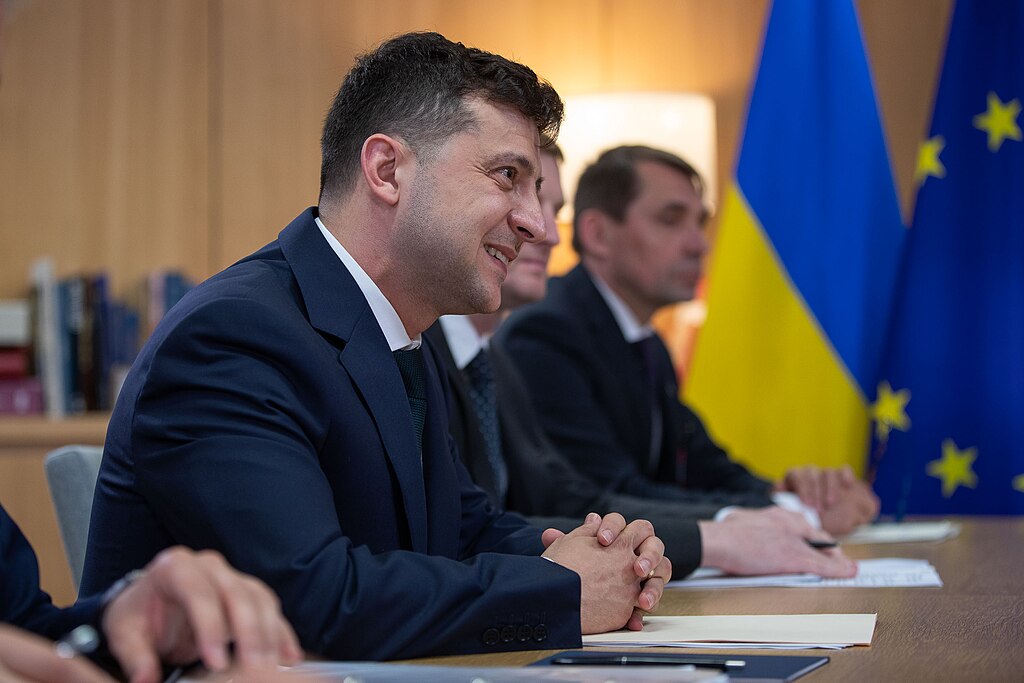
Ukrainian President Volodymyr Zelenskiy has urged Kyiv’s allies to strengthen their support and send a clear signal to Moscow that continuing the war against Ukraine is futile, ahead of a crucial European Union summit focused on frozen Russian assets. Speaking in his nightly address on Wednesday, Zelenskiy emphasized that decisions taken by European leaders would shape the future security of the continent and determine whether Russia believes it can prolong the conflict into next year.
Zelenskiy called on Ukraine’s partners to approve the use of nearly $250 billion in frozen Russian sovereign assets held within the European Union, most of which are managed by Belgium-based financial services company Euroclear. He proposed that these assets be leveraged to support loans for Ukraine, helping to stabilize the country’s economy and sustain its defense efforts amid ongoing Russian attacks.
Last week, EU governments agreed to keep the Russian assets frozen indefinitely, removing the previous requirement to renew the freeze every six months. While the move was welcomed by Ukraine, Zelenskiy noted that some European leaders remain hesitant about using the funds directly, citing concerns over potential legal risks and financial precedents.
“We need our partners to have the courage to see the truth and act on it,” Zelenskiy said, adding that Russia’s military actions clearly show its intention to continue fighting. He also pushed back against claims from some U.S. allies that Moscow may be seeking an end to the war, arguing that Russia’s rhetoric and military orders suggest the opposite.
In Moscow, Russian President Vladimir Putin reinforced those concerns by stating that Russia would seize more Ukrainian territory by force if Kyiv and European leaders failed to engage with U.S.-backed peace proposals. His comments highlighted the stark divide between diplomatic rhetoric and battlefield realities as the war grinds on.
As the EU summit approaches, the debate over frozen Russian assets has become a central issue in determining how Europe can maintain long-term support for Ukraine while increasing pressure on Russia to reconsider its strategy.







