


 OpenAI Agent Breaches Australia Medicare Data Portal
  US Invites Putin to Miami G20, Opening Door to Trump Summit
  US Officials Split Over Response to Israeli West Bank Settlements
  Yemen Violence Displaces 130,000 as Civilian Toll Rises
  Trump Asks Supreme Court to Restore Third-Country Deportations
  Mexico-US Trade Talks Delayed to October as Tariff Negotiations Continue
  Judge Orders Trump to Restore White House Access for CNN, MS NOW and Politico
  Netanyahu’s Brief US Trip Highlights Strains With Trump
  France Defends Netanyahu Airspace Clearance Despite ICC Warrant
  Europe Warns Russia Is Escalating Hybrid Attacks Across NATO
  Gaza Faces Evacuation Crisis as War-Damaged Buildings Risk Collapse
  Ghana Says Western Support Growing for Slave Trade Reparations
  US Senate Rejects Iran War Powers Resolution in 50-49 Vote
  Sudan Rejects US Legitimacy Remarks, Defends Sovereignty
  NATO Boosts Intelligence Sharing Amid Russia Hybrid Threats
  Venezuela Promises Elections as Delcy Rodriguez Pledges Democratic Transition
  Trump Administration Plans Faster FDA Reviews for Smoke-Free Nicotine Products


 Add as a preferred source on Google
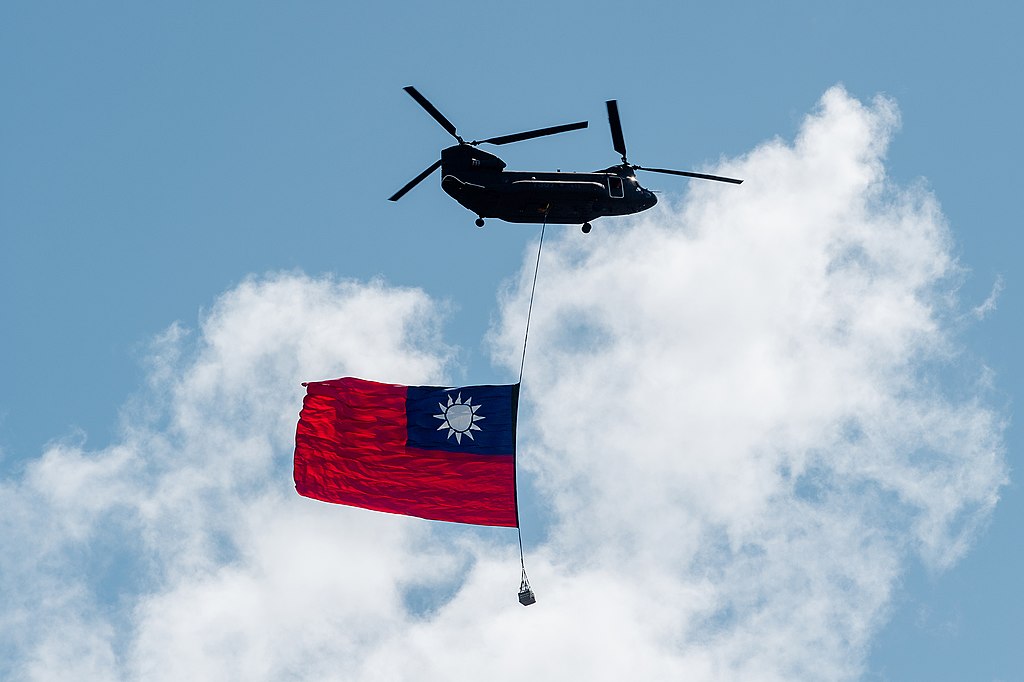
The United States has reaffirmed that its planned arms sale to Taiwan is not dependent on negotiations with China, despite previous remarks from President Donald Trump that suggested otherwise. The clarification came from Assistant Secretary of State for East Asian and Pacific Affairs Michael DeSombre during a House Foreign Affairs Committee hearing on Thursday.
Responding to questions from lawmakers, DeSombre confirmed that the pending arms sale notification to Congress remains separate from discussions with Beijing. He emphasized that the long-standing "Six Assurances," which guide U.S. policy toward Taiwan, continue to apply. These assurances state that Washington will not negotiate Taiwan arms sales with China.
Trump had previously sparked uncertainty over the proposed $14 billion Taiwan weapons package after describing it as a valuable "bargaining chip" during an interview following his meeting with Chinese President Xi Jinping. He indicated that the sale was being held in abeyance and linked its future to U.S.-China discussions. The remarks raised concerns in Taiwan, where officials viewed them as a departure from established U.S. policy.
DeSombre acknowledged that China consistently raises objections to Taiwan and U.S. weapons sales during bilateral meetings. However, he stressed that these conversations do not influence Washington’s decision-making process regarding defense support for the self-governing island.
The State Department official did not provide a timeline for when the Trump administration would decide on the proposed arms package, saying the matter remains under presidential review.
China continues to claim Taiwan as part of its territory and strongly opposes U.S. military assistance to the island, arguing that such sales interfere in its internal affairs. Taiwan, however, has maintained that its security cannot become a bargaining tool. Following Trump’s meeting with Xi, Taiwanese President Lai Ching-te stated that the island would never be sacrificed or traded in diplomatic negotiations.
Although the United States does not maintain formal diplomatic relations with Taiwan, it remains the island’s most important international partner and primary supplier of defensive weapons. Under U.S. law, Washington is obligated to provide Taiwan with the means to defend itself. Despite recent uncertainty, the Trump administration approved an $11 billion arms sales package in December, marking the largest U.S. weapons deal ever authorized for Taiwan.







