


 Macron, Trump Discuss Ukraine-Russia Energy Strike Moratorium
  Trump Board of Peace Unveils $2.45 Billion Gaza Recovery Plan
  Paramount-Warner Bros $110 Billion Deal Draws Antitrust Backlash
  China Tightens Fentanyl Rules Ahead of Trump-Xi Summit
  Macron Challenges Trump’s Gaza Peace Claims at UN
  Canada Unveils Bill to Fast-Track Major Resource Projects
  Russian Strikes Kill Eight Across Ukraine as Energy Sites Hit
  Trump to Press Xi on Release of US Nuclear Expert Held in China
  UK, Mauritius Seek Diego Garcia Base Deal
  Trump Administration Prepares Sanctions Against Entire ICC
  Iran Vows ‘Crushing’ Response as US Talks Continue
  Trump Scales Back Endangered Species Act Protections
  Trump Meets Venezuela’s Delcy Rodriguez at UN Assembly
  Marco Rubio to Meet Russia’s Lavrov in New York
  Carney Condemns Belleville Synagogue Shooting That Wounded Police Officer
  Zelenskiy Meets CIA Chief John Ratcliffe at Ireland’s Shannon Airport
  US, Denmark and Greenland Set to Sign Arctic Security Deal


 Add as a preferred source on Google
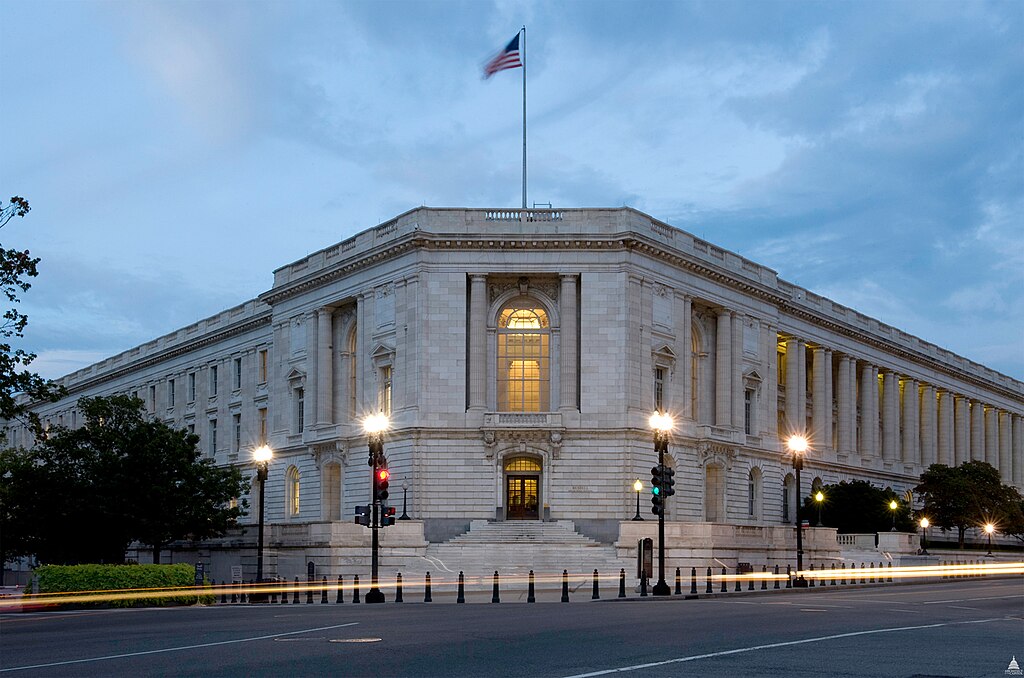
The U.S. Senate has approved a war powers resolution directing President Donald Trump to halt U.S. military involvement in Iran, marking a significant congressional challenge to the administration’s foreign policy. The measure passed the Senate in a 50-48 vote after previously clearing the House of Representatives, reflecting growing concern among lawmakers about the ongoing U.S.-Iran conflict.
The resolution follows the military campaign that began on February 28, when the United States and Israel launched attacks against Iran. While the measure is largely symbolic and faces uncertain legal standing, it represents the first time since the War Powers Act of 1973 that both chambers of Congress have passed legislation seeking to remove U.S. armed forces from active hostilities.
The vote highlighted increasing divisions within the Republican Party. Four Republican senators—Susan Collins, Rand Paul, Bill Cassidy, and Lisa Murkowski—joined nearly all Democrats in supporting the resolution. Democratic Senator John Fetterman voted against the measure, while two Republican senators were absent.
President Trump dismissed the resolution as “poorly timed and meaningless,” arguing that it complicates ongoing efforts to negotiate peace with Iran. The White House maintains that the War Powers Act is unconstitutional and insists the resolution carries no legal force because it does not require presidential approval. Administration officials also argue that hostilities effectively ended with a ceasefire reached on April 7.
Legal experts remain divided over the resolution’s enforceability. A 1983 Supreme Court ruling suggested that congressional measures require presidential signature or veto to become legally binding, creating uncertainty over the authority of war powers resolutions. Many analysts believe the issue could ultimately be decided in federal courts.
The Senate vote comes amid declining public support for the conflict. A recent Reuters/Ipsos poll found that only one-quarter of Americans believe the war with Iran was worth its cost, while most respondents expressed concern that any ceasefire agreement may not endure.
Lawmakers are also preparing to review future peace negotiations with Tehran, particularly if they involve Iran’s nuclear program. Congressional leaders have indicated that any major Iran peace agreement is likely to face formal review and a vote in Congress, ensuring continued debate over U.S. policy toward Iran.







