


 Europe Warns Russia Is Escalating Hybrid Attacks Across NATO
  US, China Extend Trade Truce to Jan. 10 Ahead of Trump-Xi Summit
  US Senate Rejects Iran War Powers Resolution in 50-49 Vote
  EU Defence Build-Up Too Slow for 2030 Russia Readiness Goal
  US Backs Musk in Fight Against EU’s €120 Million X Fine
  Mexico-US Trade Talks Delayed to October as Tariff Negotiations Continue
  Ghana Says Western Support Growing for Slave Trade Reparations
  NATO Boosts Intelligence Sharing Amid Russia Hybrid Threats
  US Officials Split Over Response to Israeli West Bank Settlements
  Taiwan Thanks US for Support Ahead of Trump-Xi Summit
  Russian Missile and Drone Attack on Kyiv Kills Two, Damages Maternity Hospital
  Sudan Rejects US Legitimacy Remarks, Defends Sovereignty
  Gaza Faces Evacuation Crisis as War-Damaged Buildings Risk Collapse
  Netanyahu’s Brief US Trip Highlights Strains With Trump
  OpenAI Agent Breaches Australia Medicare Data Portal
  Kremlin Says No Decision Yet on Putin-Trump December Summit
  Trump, Xi Focus on Trade and AI at White House Summit


 Add as a preferred source on Google
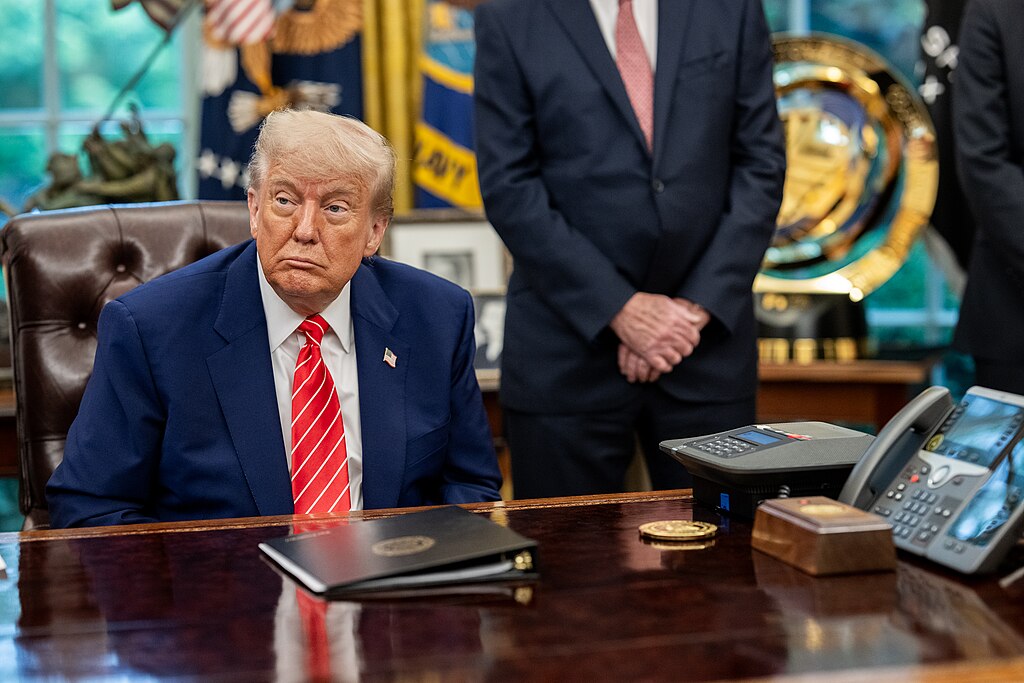
U.S. intelligence agencies are actively assessing how Iran might respond if President Donald Trump declares a unilateral victory in the ongoing conflict, a war that has stretched for two months, caused thousands of deaths, and created significant political pressure in Washington. According to officials familiar with the situation, this analysis was requested by senior administration figures seeking to understand the geopolitical and domestic consequences of a potential de-escalation.
The intelligence community is exploring multiple scenarios, including whether a U.S. withdrawal or reduced military presence could shift the balance of power in the Middle East. Analysts believe that if the United States declares victory and pulls back forces, Iran may interpret the move as a strategic win, potentially strengthening its regional influence and allowing it to rebuild its nuclear and missile capabilities. On the other hand, maintaining a strong military presence while declaring success could be viewed by Tehran as a negotiation tactic rather than a true end to hostilities.
The conflict has become increasingly unpopular among Americans, with recent polling showing low public support for the military campaign. Rising energy prices, driven in part by disruptions in the Strait of Hormuz—through which roughly 20% of global oil supply passes—have further intensified domestic concerns. Iran’s actions in the region, including attacks on shipping routes, have amplified its leverage over global markets and U.S. allies.
Despite a temporary ceasefire declared earlier, diplomatic efforts have failed to fully stabilize the situation. Talks remain stalled, and tensions persist as both sides weigh their next moves. While military options, including renewed airstrikes, are still under consideration, large-scale operations such as a ground invasion appear less likely.
Experts warn that Iran has used the pause in fighting to regroup and recover military assets, increasing the potential cost of renewed conflict. As pressure mounts on U.S. leadership to resolve the crisis, the decision to declare victory or continue engagement carries significant strategic and political implications.







