


 Trump Says U.S.-Iran Peace Deal Near After UN Talks
  Paramount-Warner Bros $110 Billion Deal Draws Antitrust Backlash
  Carney Condemns Belleville Synagogue Shooting That Wounded Police Officer
  Trump Administration Prepares Sanctions Against Entire ICC
  Denmark Says Greenland Sovereignty Protected in US Military Deal
  UK, Mauritius Seek Diego Garcia Base Deal
  Scott Bessent Eyed as Trump’s New AI Czar
  China Tightens Fentanyl Rules Ahead of Trump-Xi Summit
  Trump Scales Back Endangered Species Act Protections
  Trump to Press Xi on Release of US Nuclear Expert Held in China
  Canada Unveils Bill to Fast-Track Major Resource Projects
  Taiwan Vows to Advance US Arms Sales Ahead of Trump-Xi Meeting
  Zelenskiy Warns Russia Preparing Major Attack on Ukraine
  Trump Meets Venezuela’s Delcy Rodriguez at UN Assembly
  Lula Meets Mamdani in New York as Elections Approach
  Trump-Xi Summit Puts Trade Truce and Taiwan in Focus


 Add as a preferred source on Google
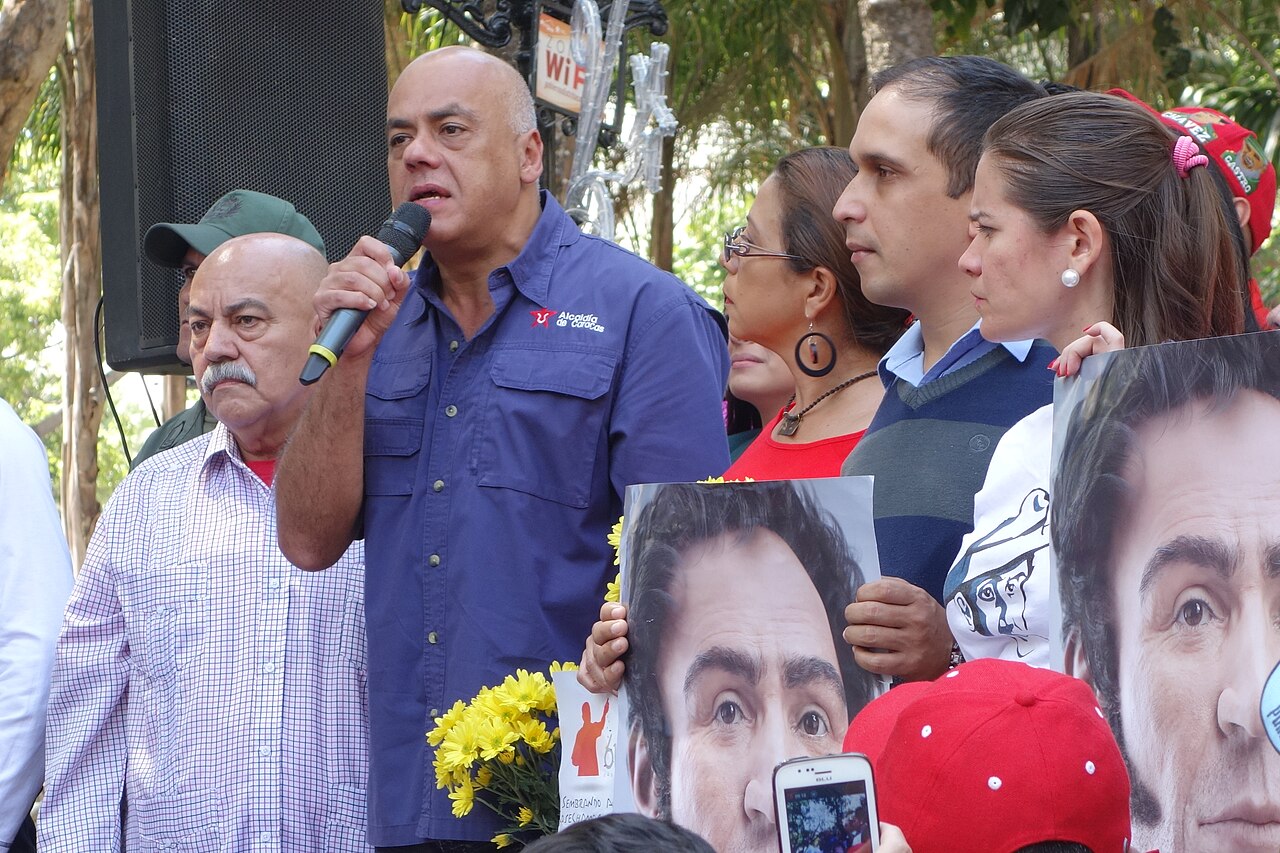
U.S.-backed negotiations between Venezuela’s interim government and a faction of the country’s opposition began Thursday afternoon after nearly a week of delays, marking a new effort to reshape the nation’s political system and prepare for eventual elections.
The Venezuela political talks are focused on establishing a pathway toward democratic reforms and rebuilding key institutions. Both sides confirmed the start of negotiations, while the United States welcomed the development.
Jorge Rodriguez is leading the Venezuelan government delegation. Rodriguez, the brother of interim President Delcy Rodriguez, serves as head of Venezuela’s National Assembly and has extensive experience in political negotiations. He previously participated in talks involving the United States and Venezuelan opposition groups.
Rodriguez posted photos on his X account showing representatives gathered for the negotiations in Caracas, signaling the formal launch of the long-awaited process.
Representing the opposition is Dinorah Figuera, who heads a group of lawmakers from the opposition-controlled National Assembly elected in 2015. The United States continues to recognize that legislature as Venezuela’s last democratically elected national legislative body.
“Today we launched the process that will chart the path toward democracy and the re-institutionalization of Venezuela,” Figuera said in a post on X.
The U.S. State Department also welcomed the start of the negotiations, underscoring Washington’s support for dialogue aimed at producing political reforms and eventually paving the way for elections in Venezuela.
However, the absence of prominent opposition leader Maria Corina Machado has attracted attention from Venezuela observers. Machado, a Nobel Peace Prize winner and one of the country’s most popular opposition figures, is not participating directly in the negotiations.
Her exclusion could become an important issue as the talks progress, particularly given her influence within Venezuela’s broader opposition movement. Despite not taking part, Machado has indicated that she will not obstruct progress made through the negotiations.
The launch of the U.S.-backed Venezuela talks represents another attempt to resolve the country’s prolonged political divisions through negotiation. Attention will now turn to whether the government and opposition representatives can reach agreements on democratic reforms, political institutions and a credible framework for future Venezuelan elections.







