


 Trump-Xi Summit Puts Trade Truce and Taiwan in Focus
  Paramount-Warner Bros $110 Billion Deal Draws Antitrust Backlash
  Trump Administration Removes Confederate Memorial Criticism From Arlington Website
  US Immigration Arrests Surge as Deportations Lag Behind
  UK, Mauritius Seek Diego Garcia Base Deal
  Michelle Bachelet Withdraws From UN Secretary-General Race
  US Bans Canadian Alcohol, Motorcycles as Trade War Escalates
  Vietnam, US Trade Deal Could Be Signed Soon, To Lam Says
  Who should own the knowledge that underpins AI technology?
  Canada Unveils Bill to Fast-Track Major Resource Projects
  Judge Blocks Trump Rule Limiting Foreign Student Visas
  Trump Bans CNN, MS NOW and Politico From White House
  Saudi Arabia Shuts East-West Oil Pipeline After Drone Attack
  Russian Drone Attacks Kill Four in Kyiv Region, Including Three Children
  Trump Sets High-Stakes UN Meetings With Zelenskiy, Gulf Leaders
  US, Denmark and Greenland Set to Sign Arctic Security Deal


 Add as a preferred source on Google
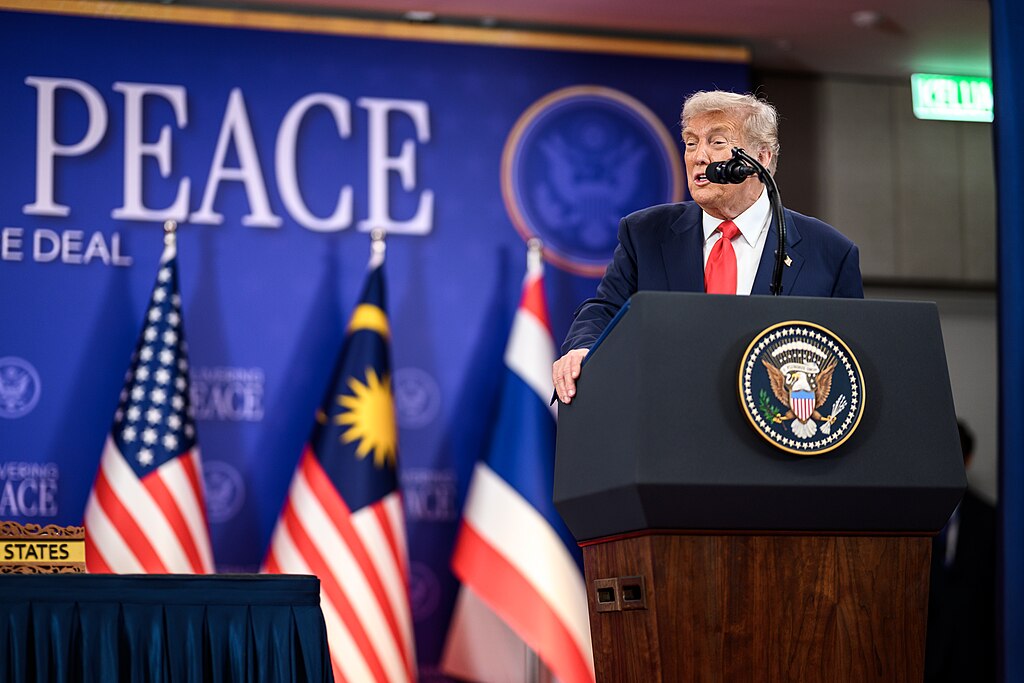
U.S. President Donald Trump has signed a sweeping executive order expanding sanctions against Cuba, intensifying pressure on the island’s government and its international partners. According to White House officials, the new measures aim to penalize individuals, companies, and organizations that support Cuba’s security apparatus or are involved in corruption and human rights abuses.
The updated sanctions framework broadens the scope to include “any foreign person” operating in critical sectors of the Cuban economy. These sectors include energy, defense, financial services, metals and mining, and other key industries. The order also introduces secondary sanctions, meaning non-U.S. companies and financial institutions could face penalties if they conduct or facilitate transactions with sanctioned Cuban entities. This marks a significant escalation in U.S. foreign policy toward Cuba, potentially affecting global businesses with ties to the island.
While specific targets have not yet been disclosed, experts say the move could have far-reaching consequences. Jeremy Paner, a former U.S. Treasury sanctions investigator, noted that companies that previously separated their Cuban operations from U.S. activities may no longer be shielded from penalties. Industries such as oil, gas, and banking are expected to feel the immediate impact.
Cuba’s Foreign Minister Bruno Rodriguez strongly criticized the sanctions, calling them “unilateral coercive measures” that violate international law and the United Nations Charter. He argued that the actions are designed to impose collective hardship on the Cuban population, emphasizing that Cuba will not be intimidated.
The sanctions come amid heightened geopolitical tensions, with the Trump administration linking Cuba to hostile foreign alliances and security concerns near U.S. borders. In recent months, the U.S. has also taken aggressive actions against Venezuela, including cutting off oil exports to Cuba, which has worsened fuel shortages on the island. These shortages have contributed to widespread blackouts and disruptions, including reduced airline operations.
The latest sanctions highlight the administration’s broader strategy to isolate Cuba economically and politically while pressuring it to implement reforms.







