


 Yemen Violence Displaces 130,000 as Civilian Toll Rises
  Pentagon Restarts Testosterone Testing for US Troops
  U.S. Imposes New Visa Restrictions Over South Africa Policies
  NATO Boosts Intelligence Sharing Amid Russia Hybrid Threats
  Sudan Rejects US Legitimacy Remarks, Defends Sovereignty
  China Reviews Broadcom Switch Use in State Data Centres
  US Backs Musk in Fight Against EU’s €120 Million X Fine
  North Korea Rejects Nuclear Test Warning, Calls Nuclear Status Irreversible
  Gaza Faces Evacuation Crisis as War-Damaged Buildings Risk Collapse
  Netanyahu Defends Israel at UN as Delegates Stage Walkout
  Trump Scales Back Endangered Species Act Protections
  US Judge Dismisses Imran Ahmed Deportation Lawsuit
  France Defends Netanyahu Airspace Clearance Despite ICC Warrant
  US Officials Split Over Response to Israeli West Bank Settlements
  FDA Weighs Safety Standards for Psychedelic Therapies
  China Tightens Fentanyl Rules Ahead of Trump-Xi Summit
  US Northeast Airports Resume Operations After Telecom Outage Disrupts Thousands of Flights


 Add as a preferred source on Google
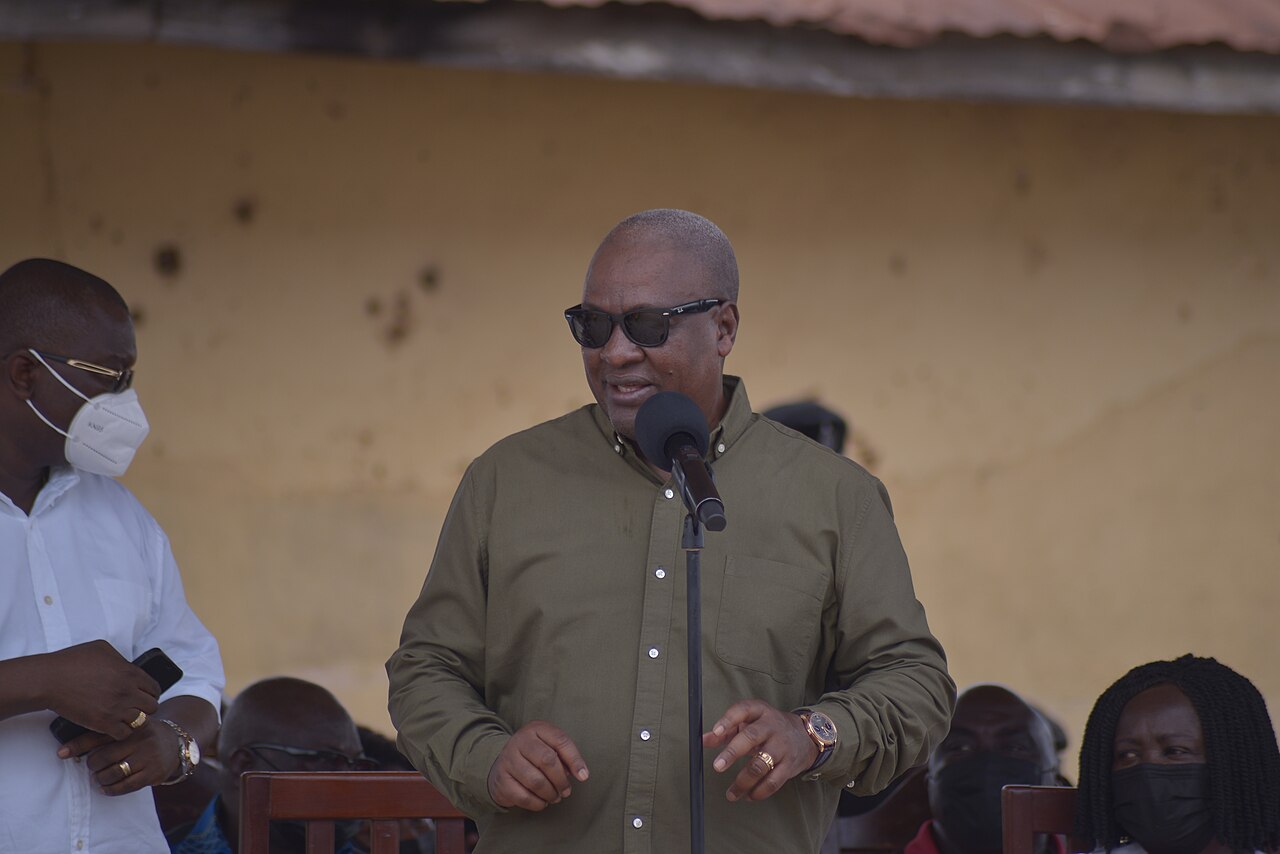
Ghana has declined to sign a proposed bilateral health agreement with the United States, citing concerns over sensitive health data sharing, according to a source familiar with the negotiations. The decision marks another setback for Washington’s broader push to reshape foreign aid under its “America First Global Health Strategy.”
The government of President John Dramani Mahama reportedly objected to provisions that would require Ghana to share confidential health information. Similar concerns have already derailed negotiations with Zimbabwe and led to legal challenges in Kenya, where a court temporarily halted a comparable agreement following a case filed by a consumer protection group.
Despite multiple requests, officials from Ghana’s government and foreign ministry have not publicly commented on the matter. Meanwhile, the U.S. State Department has maintained that it does not disclose details of ongoing bilateral negotiations but emphasized its commitment to strengthening diplomatic ties with Ghana.
The proposed deal, which negotiations began on last November, was expected to provide approximately $109 million in U.S. health assistance over five years. However, the financial obligations for Ghana under the agreement remain unclear. Sources indicate that discussions were initially routine but later intensified, with increased pressure from Washington to finalize the deal before an April 24 deadline. Ultimately, Ghana chose not to proceed.
The rejection comes as the U.S. continues to overhaul its foreign aid approach, encouraging developing nations to take greater responsibility for combating diseases such as HIV/AIDS, malaria, tuberculosis, and polio. The strategy also emphasizes transitioning countries away from long-term aid dependency toward self-reliance.
In 2024, the U.S. provided Ghana with $219 million in total foreign assistance, including $96 million allocated to health programs. As part of the new initiative, the U.S. has already signed 32 agreements worldwide, totaling $20.6 billion in funding, with contributions from both Washington and partner countries. Additional agreements are expected in the near future, according to U.S. officials.







