


 US Northeast Airports Resume Operations After Telecom Outage Disrupts Thousands of Flights
  Trump-Xi Summit Puts Trade Truce and Taiwan in Focus
  Trump Bans CNN, MS NOW and Politico From White House
  Judge Blocks Trump Rule Limiting Foreign Student Visas
  Russian Drone Attacks Kill Four in Kyiv Region, Including Three Children
  US, Denmark and Greenland Set to Sign Arctic Security Deal
  South Korea to Brief Lawmakers on $350 Billion US Investment Package
  Trump Scales Back Endangered Species Act Protections
  Trump Open to Pezeshkian Meeting as Iran Tensions Escalate
  US Resumes Immigrant Visa Processing for Hungary, Poland
  Burnham Eyes UK Leadership Role in AI Ahead of Trump Meeting
  FDA Weighs Safety Standards for Psychedelic Therapies
  Trump, Iran Trade Threats as Middle East Tensions Escalate
  CNN, MS NOW and Politico Sue Trump Over White House Media Ban
  U.S. Issues Cuba Health Alert as Illnesses Rise
  United Russia Leads Russia Election as Ukraine Drones Hit Moscow
  Zelenskiy Meets CIA Chief John Ratcliffe at Ireland’s Shannon Airport


 Add as a preferred source on Google
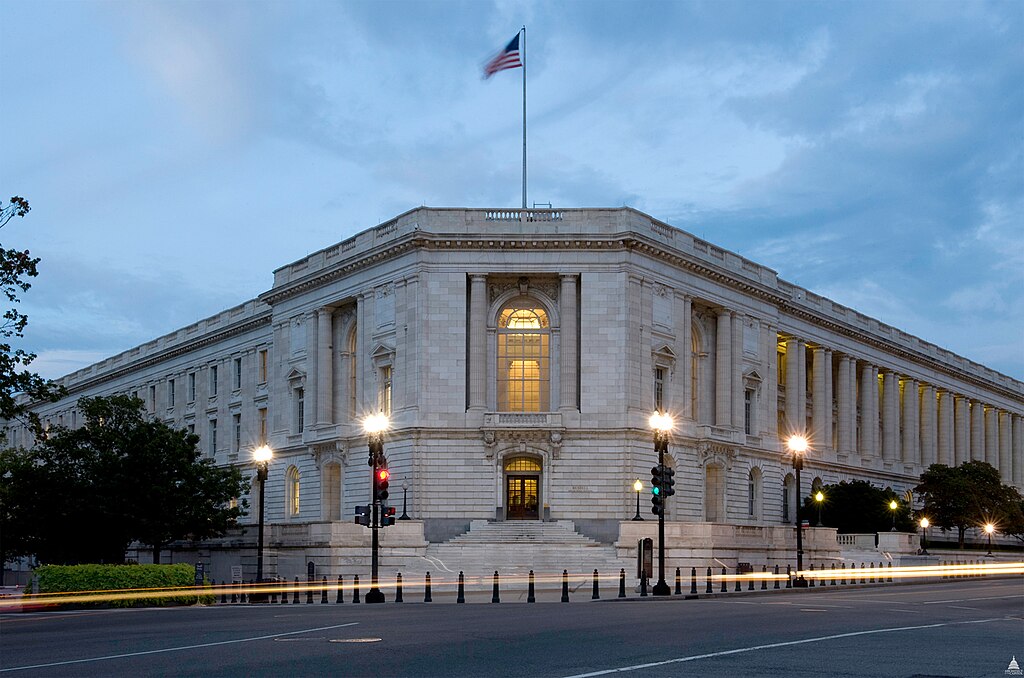
The U.S. House of Representatives has approved a three-year budget framework that could unlock an additional $70 billion for immigration enforcement, marking a significant step in shaping future border security policies. The measure narrowly passed with a 215-211 vote, with no Democratic support. House Speaker Mike Johnson kept the vote open for over five hours to secure enough Republican backing, highlighting divisions within the party. Some lawmakers from agricultural states pushed for commitments on expanding ethanol-blended gasoline sales before agreeing to support the proposal.
The Senate had already approved the budget plan on April 23, meaning the next phase involves Republicans in both chambers finalizing the details of the $70 billion immigration funding package. Once completed, the legislation will be sent to President Donald Trump for approval. GOP leaders aim to pass the final bill by May, using a special legislative process that allows them to bypass Democratic support in the Senate.
This approach mirrors a similar strategy used last year, when Republicans approved approximately $130 billion in funding for Immigration and Customs Enforcement (ICE) and U.S. Border Patrol. That funding boost was part of a broader effort to strengthen immigration enforcement and support large-scale deportation initiatives.
Republicans have consistently opposed Democratic proposals to limit ICE and Border Patrol operations, particularly in major U.S. cities where enforcement actions have sparked protests. Tensions have intensified following incidents earlier this year, including the fatal shooting of two U.S. citizens by federal agents in Minneapolis.
Meanwhile, a separate funding deadline is approaching for agencies under the Department of Homeland Security (DHS). Without a new agreement, several agencies could run out of funding by the end of the week. Although the Senate has passed a bill to fund key agencies such as the Secret Service, Coast Guard, and FEMA through September 30, House Republicans have yet to approve it, raising concerns about a potential funding gap.







