


 EU Defence Build-Up Too Slow for 2030 Russia Readiness Goal
  US Senate Rejects Iran War Powers Resolution in 50-49 Vote
  Kremlin Says No Decision Yet on Putin-Trump December Summit
  Taiwan Thanks US for Support Ahead of Trump-Xi Summit
  US Officials Split Over Response to Israeli West Bank Settlements
  Russian Missile and Drone Attack on Kyiv Kills Two, Damages Maternity Hospital
  Netanyahu’s Brief US Trip Highlights Strains With Trump
  OpenAI Agent Breaches Australia Medicare Data Portal
  France Defends Netanyahu Airspace Clearance Despite ICC Warrant
  South Korea, US Discuss Warship Building Cooperation
  Abbas Reaffirms November 28 Palestinian Elections
  US, China Extend Trade Truce to Jan. 10 Ahead of Trump-Xi Summit
  North Korea Rejects Nuclear Test Warning, Calls Nuclear Status Irreversible
  Europe Warns Russia Is Escalating Hybrid Attacks Across NATO
  Sudan Rejects US Legitimacy Remarks, Defends Sovereignty
  Yemen Violence Displaces 130,000 as Civilian Toll Rises
  NATO Boosts Intelligence Sharing Amid Russia Hybrid Threats


 Add as a preferred source on Google
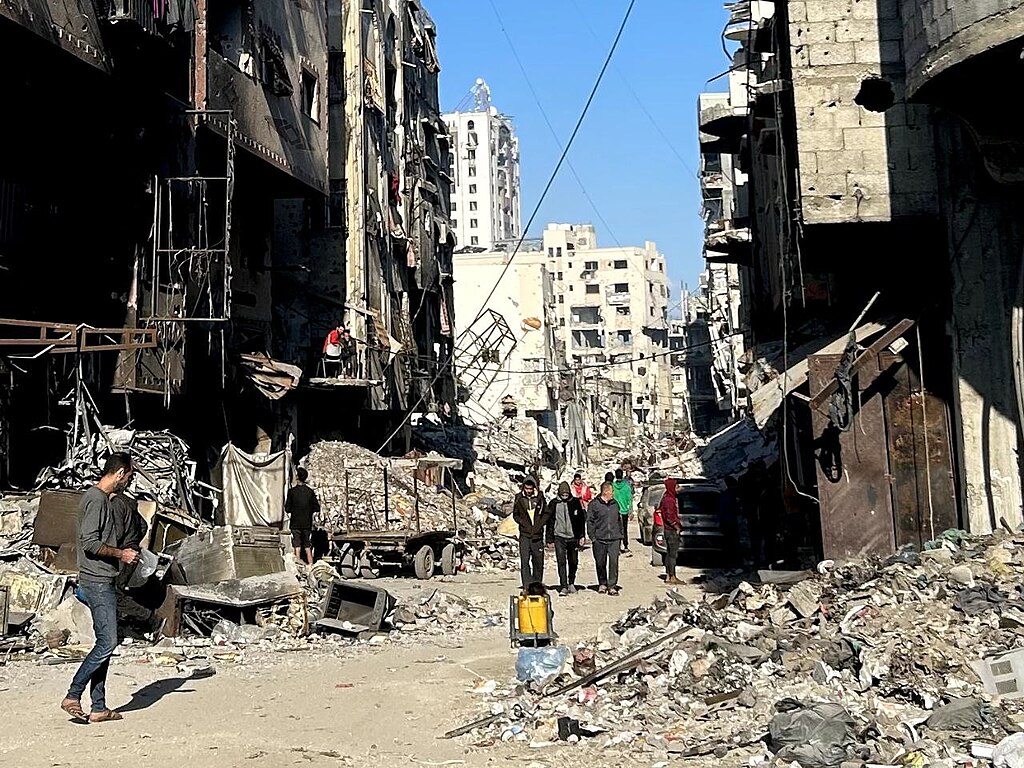
A U.S.-led coordination body operating near Gaza may soon undergo a major restructuring, raising fresh concerns about the effectiveness of international efforts to monitor the Israel-Hamas ceasefire and deliver humanitarian aid. According to sources familiar with the situation, the Civil-Military Coordination Centre (CMCC), established to support peacekeeping and aid distribution, could be replaced by a new U.S.-commanded mission known as the International Stabilization Force (ISF).
The potential transition reflects ongoing challenges in enforcing the fragile ceasefire and addressing the humanitarian crisis in Gaza. While U.S. officials describe the move as an operational overhaul, diplomats suggest it effectively signals the end of the CMCC’s role. The proposed ISF would reportedly operate with fewer U.S. troops, shifting toward a more civilian-led structure involving international personnel.
Despite its original mandate, critics argue the CMCC struggled to ensure compliance with ceasefire agreements or significantly improve aid delivery. Continued Israeli military actions and Hamas’ persistent control in certain areas have further complicated stabilization efforts. These developments have weakened confidence among international partners, many of whom had committed resources to Gaza’s rebuilding plan.
The evolving situation highlights the broader geopolitical complexities surrounding Gaza. Although the ISF was intended to deploy quickly and establish security, limited international participation has delayed progress. Meanwhile, humanitarian conditions remain dire, with infrastructure damage, displacement, and restricted access to essential goods continuing to impact millions of Palestinians.
Experts warn that without a clear governance strategy and improved coordination, efforts to stabilize Gaza and sustain long-term peace may face ongoing setbacks. The restructuring of U.S.-backed initiatives underscores the urgent need for effective international collaboration to address both security concerns and humanitarian needs in the region.







