


 Wall Street Falls as Treasury Yields Surge, Oil Rebounds on Iran Tensions
  ICE Agent Arrested in Minneapolis Over Venezuelan Man Shooting
  US Dollar Hits Two-Month High as Fed Rate Hike Bets Rise
  Abbas Reaffirms November 28 Palestinian Elections
  NATO Boosts Intelligence Sharing Amid Russia Hybrid Threats
  Oil Prices Ease as Iran Tensions Clash With Diplomacy Hopes
  Oil Prices Surge as U.S.-Iran Diplomacy Hopes Fade
  Netanyahu’s Brief US Trip Highlights Strains With Trump
  Netanyahu Takes Aim at Mamdani as Israel Election Nears
  Sudan Rejects US Legitimacy Remarks, Defends Sovereignty
  US 10-Year Treasury Yield at 6% Emerges as New Market Risk Threshold
  Gaza Faces Evacuation Crisis as War-Damaged Buildings Risk Collapse
  Australia Tightens Student Visa Rules, Targets Migration Cut by 2028
  Netanyahu Defends Israel at UN as Delegates Stage Walkout
  FDA Weighs Safety Standards for Psychedelic Therapies
  US Invites Putin to Miami G20, Opening Door to Trump Summit


 Add as a preferred source on Google
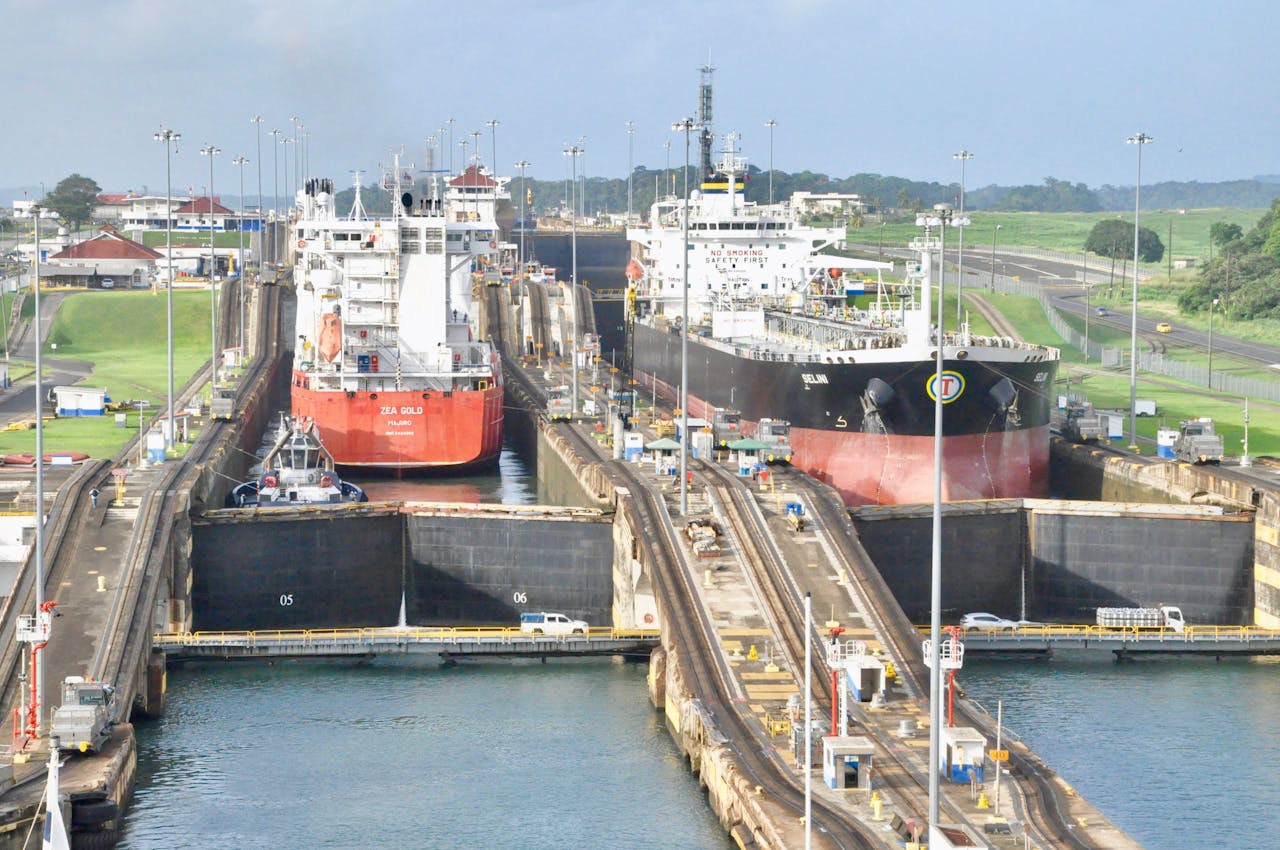
Panama President Jose Raul Mulino has reaffirmed his country’s stable diplomatic relationship with China, even as Panama becomes entangled in rising geopolitical tensions between the United States and China over strategic infrastructure. Speaking during a regular press briefing, Mulino emphasized that Panama remains neutral while navigating a sensitive dispute involving port concessions near the Panama Canal, a critical artery for global trade.
Mulino revealed that Panama recently received a “high-level” communication from the Chinese government through its ambassador. The message clarified that the disagreement over port contracts—previously held by Hong Kong-based CK Hutchison—would be handled through international arbitration rather than escalating into a bilateral conflict. This development signals a more diplomatic tone from Beijing despite ongoing concerns.
The Panama Canal, responsible for handling approximately 5% of global maritime trade, has become a focal point in the broader U.S.-China rivalry. Control over port operations at the canal’s entrances carries significant strategic and economic implications. Earlier this year, Panama’s Supreme Court ruled against CK Hutchison’s long-standing concession, leading to the transfer of port operations to global shipping firms APM Terminals (Maersk) and Terminal Investment Limited (MSC).
Mulino defended the government’s decision, stating that the ports were not expropriated but rather taken over due to the absence of a valid contract. He stressed that Panama has no intention of escalating tensions with China and seeks a fair and lawful resolution through arbitration.
However, the situation remains complex as Panama has reported an unusual increase in inspections and detentions of Panama-flagged vessels in Chinese ports. This has raised concerns about potential economic pressure. The United States and its allies have expressed support for Panama’s sovereignty, while China has dismissed such statements as politically motivated.
Mulino concluded by urging restraint, noting that Panama should not be used as leverage in a broader geopolitical conflict, and reaffirmed his commitment to protecting the country’s maritime interests and global trade role.







