


 Russian Missile and Drone Attack on Kyiv Kills Two, Damages Maternity Hospital
  North Korea Rejects Nuclear Test Warning, Calls Nuclear Status Irreversible
  NATO Boosts Intelligence Sharing Amid Russia Hybrid Threats
  Russian Envoy Dmitriev Heads to US for Ukraine Talks
  Gaza Faces Evacuation Crisis as War-Damaged Buildings Risk Collapse
  Abbas Reaffirms November 28 Palestinian Elections
  Judge Orders Trump to Restore White House Access for CNN, MS NOW and Politico
  US Senate Rejects Iran War Powers Resolution in 50-49 Vote
  Trump, Xi Focus on Trade and AI at White House Summit
  Netanyahu Defends Israel at UN as Delegates Stage Walkout
  Trump Administration Plans Faster FDA Reviews for Smoke-Free Nicotine Products
  Kremlin Says No Decision Yet on Putin-Trump December Summit
  Sudan Rejects US Legitimacy Remarks, Defends Sovereignty
  France Defends Netanyahu Airspace Clearance Despite ICC Warrant
  Venezuela Promises Elections as Delcy Rodriguez Pledges Democratic Transition
  US Backs Musk in Fight Against EU’s €120 Million X Fine
  Taiwan Thanks US for Support Ahead of Trump-Xi Summit


 Add as a preferred source on Google
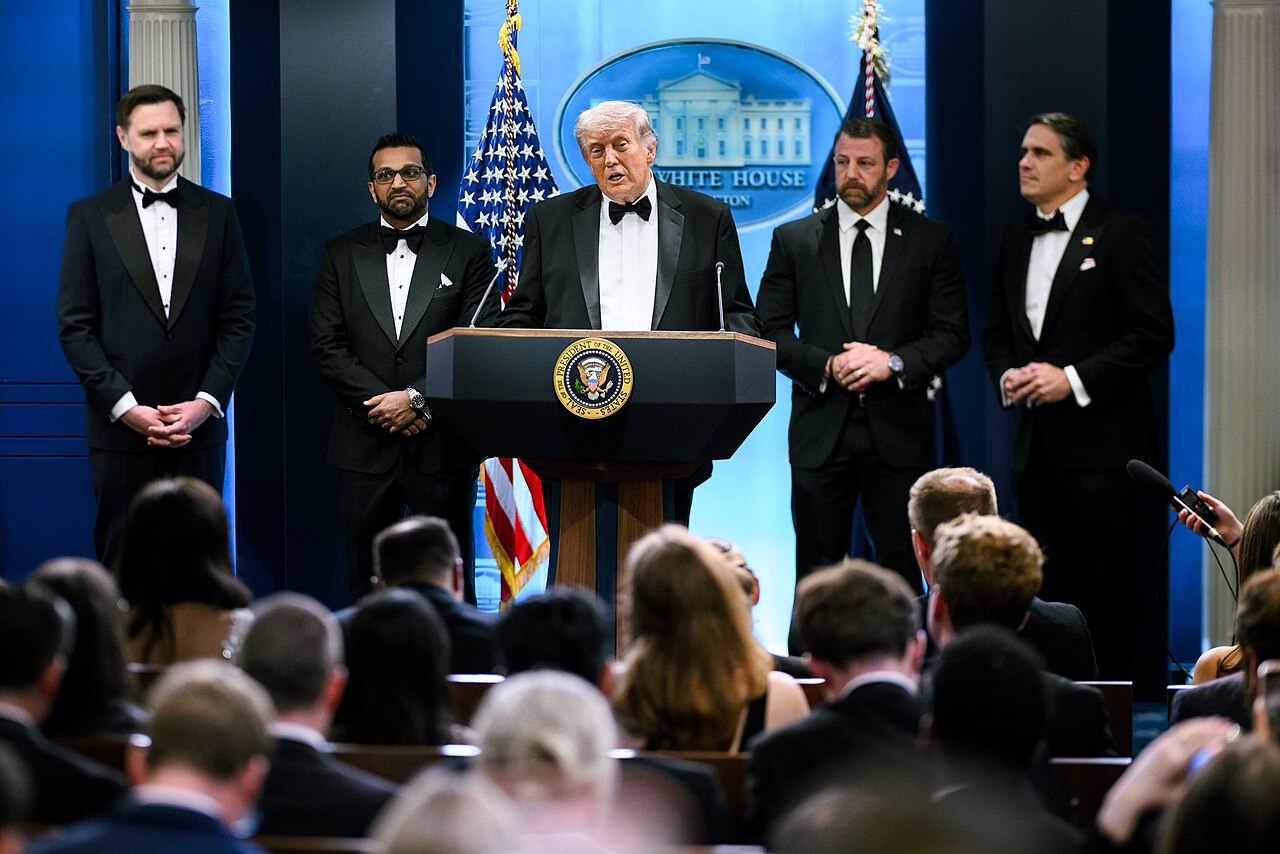
Recent developments in US-Europe relations have raised concerns among global leaders as tensions escalate due to policy disagreements and political rhetoric. European officials are increasingly uneasy following a series of strong criticisms and strategic decisions by former U.S. President Donald Trump, particularly regarding the ongoing Iran war and transatlantic cooperation.
Trump openly criticized German Chancellor Friedrich Merz, calling him ineffective after Merz voiced opposition to U.S. actions in Iran. Additionally, the Pentagon announced plans to withdraw 5,000 troops from Germany, alongside increased tariffs on European Union vehicles—moves expected to heavily impact Germany’s economy. The United Kingdom has also faced pressure, with Trump targeting Prime Minister Keir Starmer and threatening steep import tariffs.
The strain extends to NATO alliances, where the U.S. has considered punitive measures against members perceived as unsupportive of its military operations. These actions include discussions about suspending Spain from NATO and reassessing U.S. recognition of the Falkland Islands as a UK territory. European diplomats describe the situation as unpredictable, signaling a shift back to earlier tensions seen during Trump’s presidency.
Despite efforts by European leaders such as Merz, Starmer, and Italy’s Giorgia Meloni to stabilize relations through diplomacy and trade agreements, tensions persist. Even leaders known for maintaining good relations with Trump have faced criticism, highlighting the challenges of navigating this complex political landscape.
Experts suggest that European countries are adopting a more measured approach, avoiding immediate reactions while maintaining firm policy positions. At the same time, there is a growing push within Europe to strengthen military capabilities and reduce reliance on traditional alliances.
As geopolitical dynamics evolve, the future of transatlantic relations remains uncertain. However, Europe’s commitment to maintaining cooperation with the United States continues, even as both sides adjust to shifting political and strategic realities.







