


 Macron, Trump Discuss Ukraine-Russia Energy Strike Moratorium
  Burnham Eyes UK Leadership Role in AI Ahead of Trump Meeting
  ICE Officer Shoots Man in Austin, Sparking Calls for Independent Probe
  Apple Pay Set for India Launch With Axis Bank
  Petrobras Joins Brazil Diesel Subsidy Program
  Trump Bans CNN, MS NOW and Politico From White House
  US-China Talks Target AI, Tariffs Ahead of Trump-Xi Summit
  Trump Scales Back Endangered Species Act Protections
  Trump Plans Federal AI Force and AI Czar
  US, Denmark and Greenland Set to Sign Arctic Security Deal
  Trump Grants Clemency to Jay-Z Associate Emory Jones
  Canada Unveils Bill to Fast-Track Major Resource Projects
  SEC Seeks ISS Client Voting Records in Proxy Adviser Probe
  Paramount-Warner Bros $110 Billion Deal Draws Antitrust Backlash
  Supertanker Orders Surge as US-Iran War Reshapes Oil Trade
  SoftBank Launches $11 Billion Bond Sale to Fund OpenAI Investment


 Add as a preferred source on Google
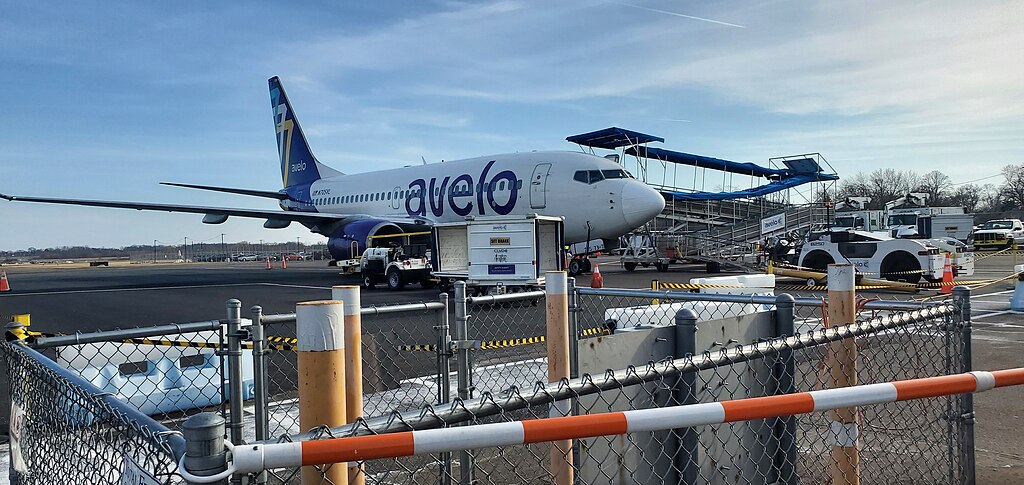
A group of U.S. budget airlines, including Frontier Airlines and Avelo Airlines, is reportedly pursuing $2.5 billion in government assistance to offset surging operational costs driven by rising jet fuel prices. According to a Wall Street Journal report, the carriers are proposing a deal in which the U.S. government would receive warrants that could later convert into equity stakes in the airlines, similar to previous pandemic-era bailout structures.
The push for financial relief comes as executives from several low-cost carriers recently met with Transportation Secretary Sean Duffy and Federal Aviation Administration (FAA) chief Bryan Bedford in Washington. Discussions are expected to continue, signaling growing urgency among budget airlines facing financial strain.
The requested $2.5 billion figure is based on projected increases in jet fuel expenses. Airlines estimate they will spend significantly more this year compared to earlier forecasts, assuming fuel prices remain above $4 per gallon. This spike has placed considerable pressure on margins, particularly for smaller and low-cost carriers that operate on thinner profit lines.
The situation highlights broader economic ripple effects tied to geopolitical tensions, including the ongoing Iran conflict, which has contributed to higher fuel prices globally. For budget airlines, the sharp rise in costs has nearly doubled fuel expenses, raising concerns about long-term sustainability and pushing some carriers closer to financial distress.
This request for aid comes as the U.S. government is also nearing a separate rescue deal for Spirit Airlines. The potential package could include up to $500 million in government-backed financing to support the airline through bankruptcy proceedings.
During the COVID-19 pandemic, the U.S. Treasury implemented a $54 billion airline support program that included warrants as part of the bailout structure. However, the government ultimately recovered only about $556.7 million from selling those warrants, with many proving to have limited value.
As talks continue, the outcome of these negotiations could significantly impact the future of low-cost air travel in the United States, as well as government policy on airline industry support.







